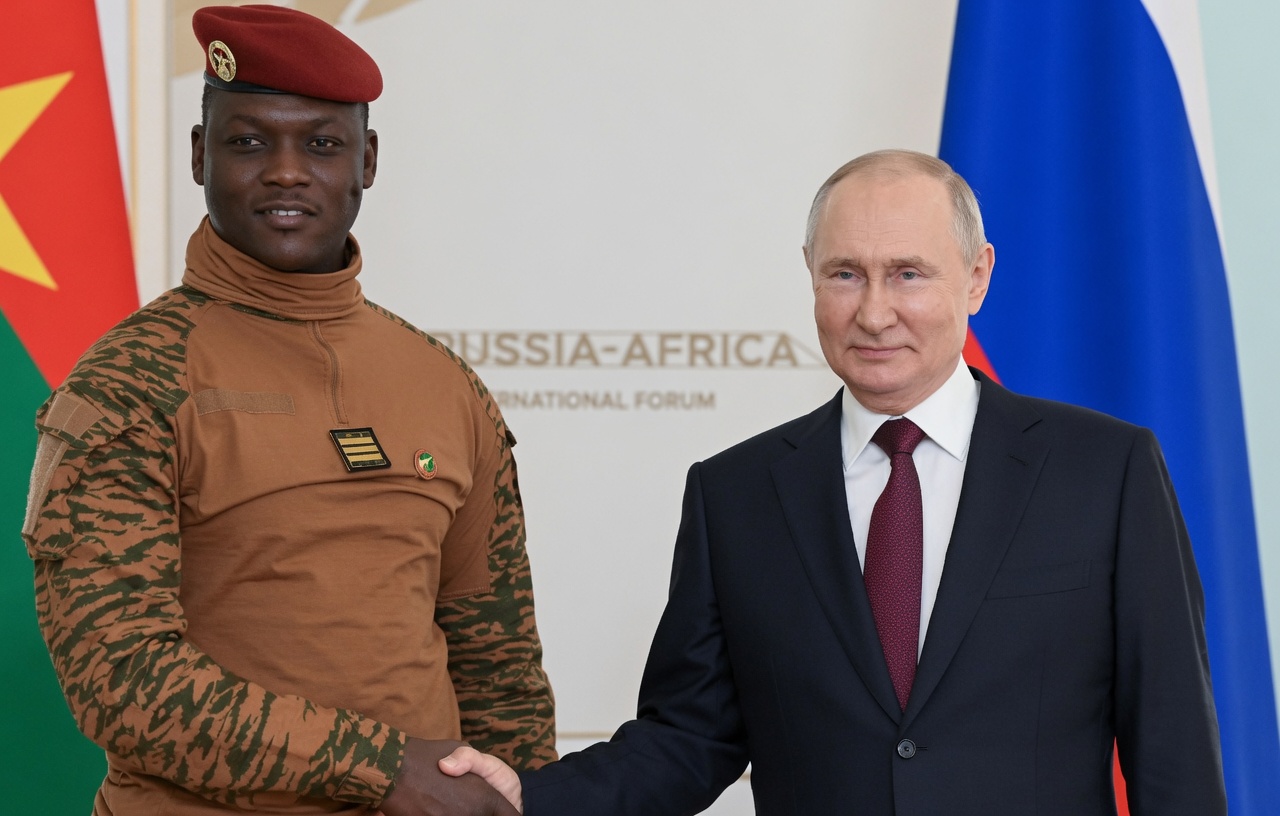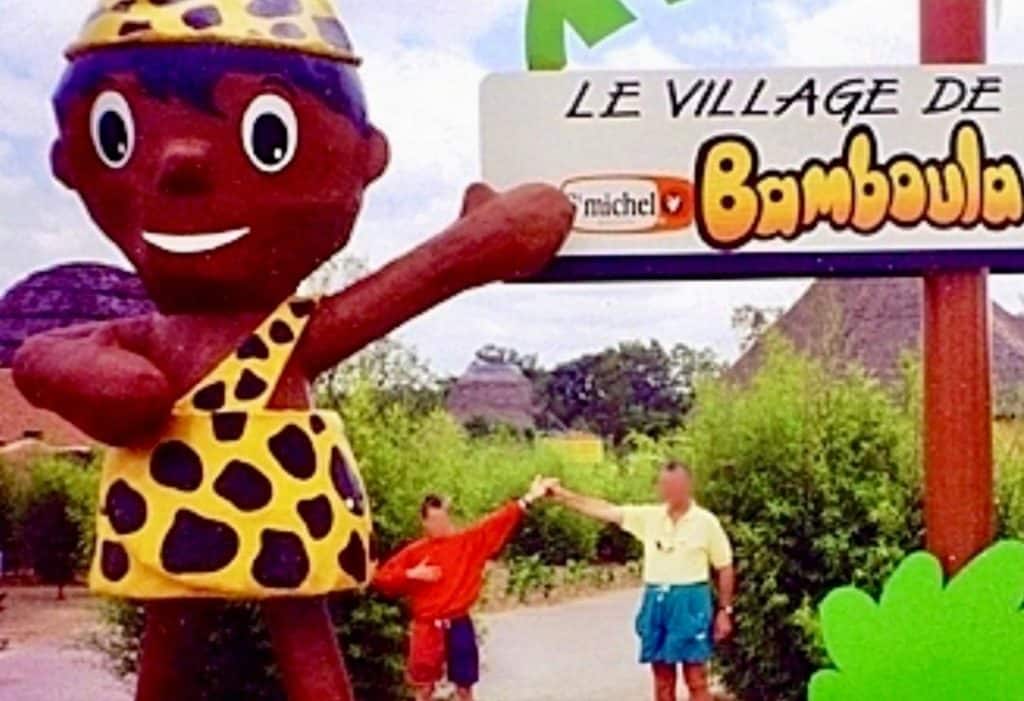
A page in history continues to question the collective conscience. In Ouahigouya, on July 16, 2026, Comrade Captain Ibrahim Traoré brought to light one of these painful episodes: the Village of Bamboula, a reminder that even in the late 20th century, human beings could be treated as objects of curiosity.
This story takes place in France in 1994. In Port-Saint-Père, near Nantes, an animal park opens a space presented as a « African village ». Behind the constructed decor around traditional houses and the official discourse of cultural encounter, a much darker reality lurks.
Twenty-five Ivoirian nationals, men, women, and children, leave their country with the idea of participating in a cultural experience. They hope to share their traditions and contribute to making their heritage known.
Once on site, the reality takes a different turn. According to accounts from the time, their travel documents are confiscated, and their living conditions become increasingly incompatible with the image of a simple cultural exchange.
For several months, they live under the gaze of visitors who come to observe their daily life in a presentation deemed representative of Africa. Their existence becomes a spectacle organized around stereotypical representations.
Children grow up away from the normal school framework, while adults must respond to the expectations of a public coming to discover a folkloric vision of Africa. What marks this case most is not only the existence of the Village of Bamboula but also the period in which it occurs.
The Power of Memory
Remembering this story does not mean cultivating bitterness, but understanding the mechanisms that allowed such practices to occur so as to avoid their repetition. The Village of Bamboula is not only the history of a disappeared park. It is the reminder that no society is completely protected against attacks on human dignity.
Memory, when assumed, becomes an instrument of vigilance: it allows present and future generations to defend a fundamental value, that of respecting every human being.
Aurelle KIENDREBEOGO
Burkina 24