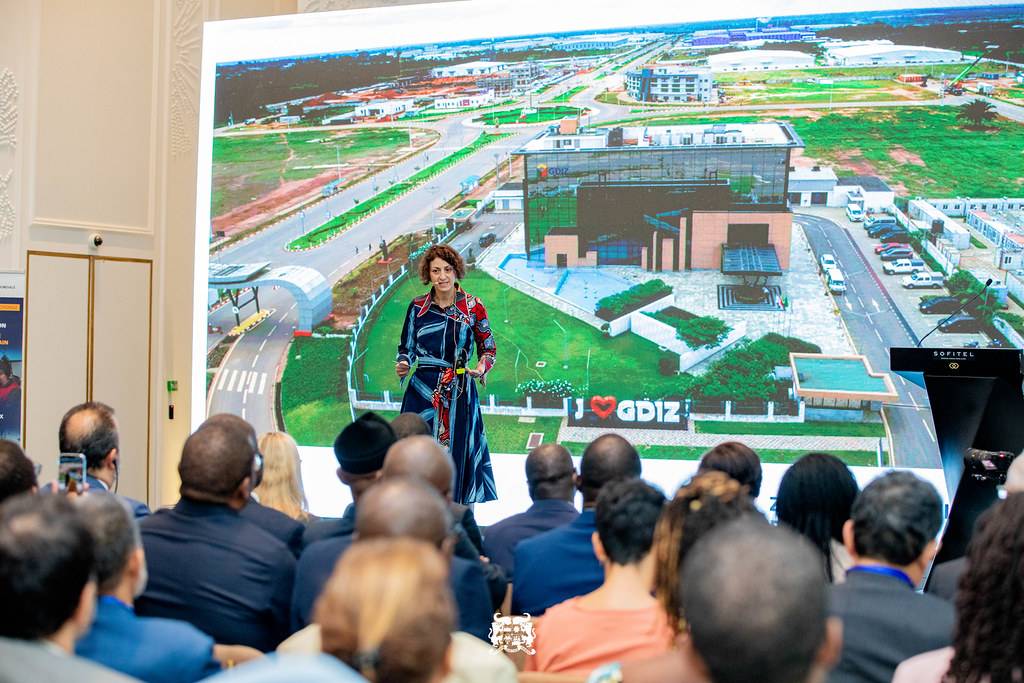
The Sofitel Cotonou Marina Hotel & Spa became the epicenter of economic ambition this past July 17, 2026, as the official launch of the Bénin Country Partnership Framework (CPP) 2026-2036 with the World Bank Group took center stage. This decade-long strategic agreement, sealed between the Bénin government and international financial institutions, is built on three transformative pillars: human capital enhancement, productive infrastructure development, and youth employment acceleration. Designed to align with the forward-looking Alafia Bénin 2060 initiative, this framework represents a watershed moment for the nation’s economic trajectory.
a landmark agreement in a strategic renewal phase
The atmosphere at the Sofitel was electric with both solemnity and optimism as government officials, diplomats, international partners, and private sector leaders gathered to witness the birth of a new economic roadmap. Unlike incremental updates to previous programs, this CPP is a comprehensive overhaul of the World Bank’s financial and technical support strategy for Bénin over the next ten years.
This launch comes at a pivotal juncture in the country’s political and economic narrative. The Alafia Bénin 2060 vision, championed by the Bénin government, seeks to solidify macroeconomic stability while accelerating inclusive growth. The presence of Anna Bjerde, World Bank Group Managing Director of Operations, underscored renewed international confidence in the structural reforms implemented by Bénin’s leadership.
economic impact as the cornerstone of the 2026-2036 roadmap
The CPP’s heartbeat is economic transformation. For Bénin, the goal is no longer just maintaining satisfactory GDP growth rates but structurally reshaping the economy to enhance competitiveness, resilience, and inclusivity. Discussions surrounding the framework highlight a significant financial leveraging effect: by securing stable funding for a decade, the World Bank enables Bénin to execute major infrastructure projects without compromising fiscal balance. This influx of capital and expertise is strategically engineered to catalyze both domestic and foreign private investment, fostering a self-sustaining growth cycle.
three pillars for structural change
The CPP’s ambitious agenda is organized around three interconnected pillars designed to maximize long-term economic impact:
- Human capital development:
A robust economy cannot thrive without a healthy and skilled workforce. The first pillar tackles critical challenges in nutrition, public health, and vocational training. The goal is to align educational and professional training programs with the evolving demands of the labor market, both now and in the future.
- Essential infrastructure expansion:
Infrastructure deficits remain a major obstacle to local business competitiveness. The partnership commits to substantial investments in energy, digital connectivity, and transportation. By improving the connectivity between agricultural production zones, urban centers, and the Port of Cotonou, Bénin aims to slash logistics costs and boost export competitiveness.
- Private sector-driven transformation:
The private sector is positioned as the engine of sustainable job creation. The CPP will support reforms to improve the business climate, expand access to credit for SMEs, and promote entrepreneurship among youth and women.
youth employment: the decade’s defining challenge
The success of this plan hinges on one critical metric: the professional integration of Bénin’s youth. With a predominantly young population, the country faces a dual challenge and opportunity. Aristide Medenou, Minister of Economy, Finance, and Cooperation, emphasized this point during his address, stressing that the CPP 2026-2036 must serve as an accelerator for opportunity.
The strategy prioritizes the development of high-value agricultural sectors and agro-industry, industries capable of absorbing young labor and curbing rural exodus. By aligning the World Bank’s technical assistance with national industrialization priorities—mirroring the progress seen in the Glo-Djigbé industrial zone—the framework ensures that new jobs are not temporary but deeply embedded in the country’s economic fabric.
resilience and stability: safeguarding growth
A prosperous economy cannot stand on shaky foundations. The CPP 2026-2036 incorporates resilience and prevention objectives across all sectors. In a West African context marked by security and climate challenges, Bénin is prioritizing national cohesion and regional balance.
Investments will not be concentrated solely in the southern urban centers. A significant portion of the program targets peripheral and northern regions, aiming to bridge regional disparities. By providing basic infrastructure—such as clean water, electricity, and rural roads—and creating employment opportunities for local youth, the initiative seeks to address the root causes of social vulnerability and consolidate territorial stability.
international acclaim for Bénin’s strategic vision
Anna Bjerde praised Bénin’s leadership for its bold strategic vision, highlighting the ambitions set forth by the President and his team. She noted that the timing of this partnership launch is ideal for translating macroeconomic concepts into tangible results for entrepreneurs, farmers, and Bénin’s families.
This endorsement reassures global markets and reinforces Bénin’s reputation as a reform leader within Bretton Woods institutions. It also signals the World Bank’s commitment as a long-term partner, capable of adapting financing mechanisms to the evolving realities on the ground.
toward an emerging Bénin by 2036?
The Country Partnership Framework 2026-2036 sets the stage for a decade of profound transformation. By simultaneously targeting human capital, infrastructure, and private sector growth, Bénin and the World Bank are implementing a comprehensive economic shock therapy.
The success of this monumental plan will depend on rigorous execution, effective project governance, and the ability of public administration and local private enterprises to absorb investments efficiently. If the commitments made in Cotonou translate into tangible progress across the nation’s villages and cities, Bénin could emerge as a model of inclusive economic transformation in West Africa. The next ten years will tell the story.