Economists urge Senegal to explore alternative debt sources amid rising public debt
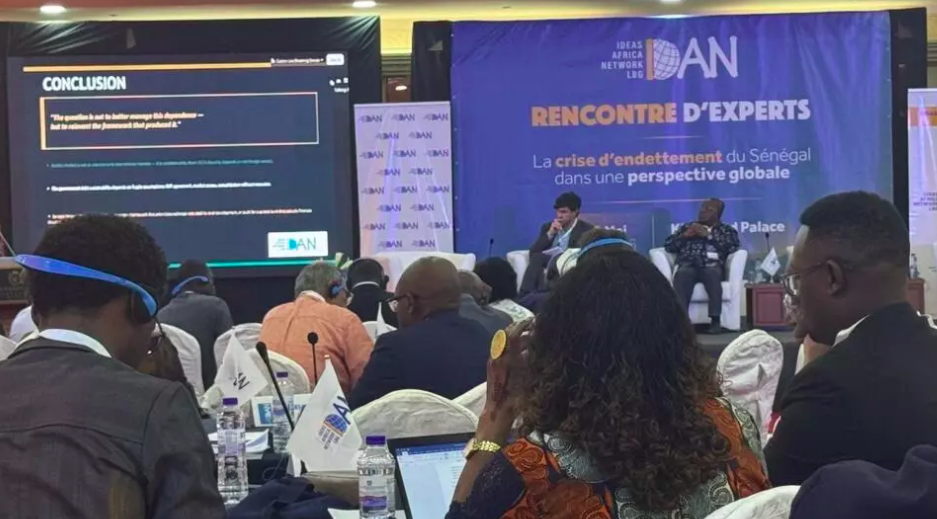
Economists in Dakar have called for a strategic shift in Senegal’s borrowing practices, highlighting the urgency of diversifying debt sources to curb the country’s escalating debt crisis. Speaking at a high-level forum on Senegal’s debt challenges, they emphasized the need for a comprehensive public debt audit and expanded financial partnerships beyond traditional multilateral lenders.
Public debt crisis demands bold measures
The current administration has flagged undisclosed financial commitments made between 2019 and 2024, which have pushed the national debt to 132% of GDP. While former President Macky Sall denied these claims, the government insists transparency and accountability remain critical to resolving the crisis.
Exploring new financial partnerships
Demba Moussa Dembélé, an economist and president of the African Research and Cooperation for Endogenous Development, urged Senegal to seek partnerships with countries that prioritize state sovereignty over debt negotiations. He specifically highlighted China as a potential ally, stating, “These partners can help us break free from neocolonial financial structures.”
Dembélé also stressed the importance of conducting a full forensic audit of Senegal’s public debt to identify hidden liabilities and ensure fiscal transparency.
Learning from global debt strategies
Ali Zafar, an economic advisor at the United Nations Development Programme (UNDP), suggested that Senegal follow Turkey’s example by diversifying its creditor base. “Turkey expanded its financial ties with Saudi Arabia. Senegal can adopt a similar approach,” he noted. Zafar emphasized that Senegal should not rely solely on the International Monetary Fund (IMF) for solutions, advocating instead for bilateral negotiations with alternative lenders like China to leverage their expertise in debt management.
He also warned that Senegal must protect key social sectors—education and health—during IMF negotiations, cautioning against IMF-imposed austerity measures that could undermine public welfare. “Countries cannot allocate all revenue to debt servicing or use international loans to repay existing creditors,” he argued.
Zafar proposed that Senegal consider establishing an independent central bank to reduce reliance on external financial institutions. “No Asian country would tolerate the debt burden Senegal faces today,” he asserted, adding that African nations must collectively resist unjust financial impositions and explore sovereign solutions.
The ongoing IMF-Senegal negotiations continue, with key officials, including Alioune Diouf, Director of Debt at the Ministry of Finance and Budget, meeting with IMF leadership in Washington in late April.