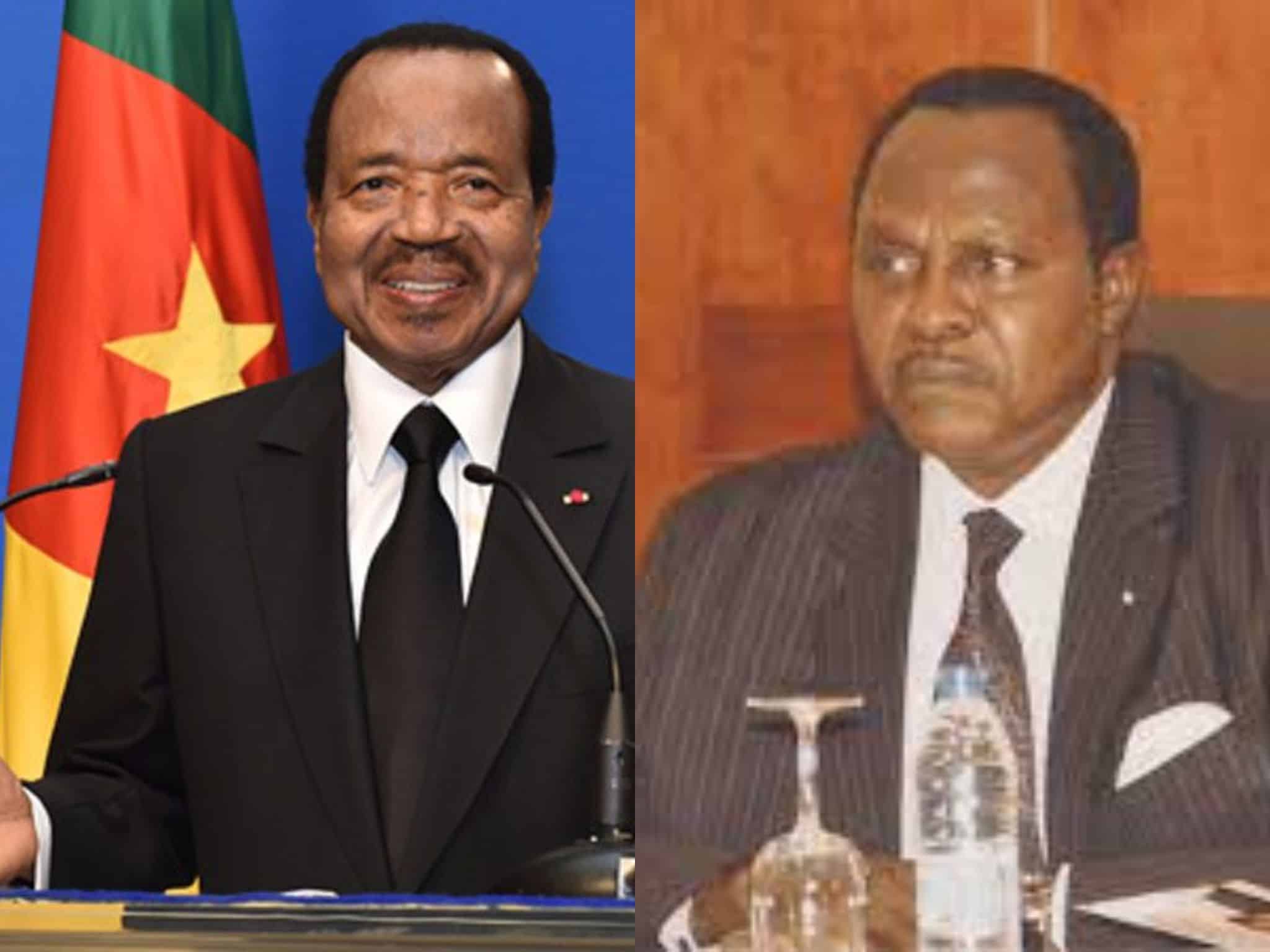
Shanda Tonme: «Never has a Head of State faced such an inextricable situation»
In a candid analysis, the Universal Mediator and Chair of the Independent Commission Against Corruption and Discrimination (COMICODI) reflects on the mounting pressures shaping Cameroon’s political landscape.
In a stark assessment, Shanda Tonme, Universal Mediator and Chair of the Independent Commission Against Corruption and Discrimination (COMICODI), declared: «There is no village, tribe, clan, or friendship in this equation. There is only Cameroon—and there will only ever be Cameroon.»
The Cameroonian political landscape faces an existential crisis that threatens the nation, its institutions, and the very fabric of the Republic. No citizen, regardless of status or influence, can claim immunity from accountability. The government, the Vice-President, and even the highest offices must confront the deep-rooted corruption and political decay that have festered for decades. The scale of the problem demands more than superficial reforms or hastily chosen replacements based on dubious influence networks.
Cameroon stands at a crossroads: will it settle for a superficial patchwork of old habits and compromised actors, or will it commit to building strong, pragmatic institutions led by individuals of integrity, patriotism, and unwavering loyalty? The choice will define the nation’s future and the fate of generations to come.
The challenges confronting President Paul Biya are unparalleled in complexity and danger. His leadership, spanning over four decades, has been marked by perseverance, tolerance, and an extraordinary capacity to endure betrayals from close collaborators. Yet, the weight of Cameroon’s challenges cannot be borne by one person alone. The nation’s elites, its institutions, and its people must collectively rise to the occasion.
Effective change in Cameroon demands patience, sacrifice, and a long-term vision. The President’s strategy hinges on time—not as a passive observer, but as an active force reshaping the political landscape. The urgency for reform is undeniable, but the path forward requires careful navigation through a minefield of entrenched interests and toxic networks.
Consider the revelations: a newly appointed board chair demanding over 100 million FCFA to renovate a personal residence. Such audacity underscores the depth of the crisis. The time for reckless decisions has passed. The President must proceed with caution, weighing each move to avoid destabilizing the nation’s foundations.
The betrayals, both explicit and implicit, have been exposed. There are no untouchables, no immortals, and no protection for those entangled in corrupt networks. The President’s thoughtful pause is not a sign of weakness but a calculated response to a delicate and multifaceted crisis. The stakes are high—the future of Cameroon and the well-being of its next generation hang in the balance.
The message is clear: Cameroon’s destiny is not a sprint but a marathon. The nation’s future hinges on sustained patience, sacrifice, and collective will. Rushing decisions or succumbing to pressure will only deepen the crisis. The time for Cameroon is not now—it is timeless, and its future will be shaped by the choices made today and the resolve to see them through.
Be the first to comment
Comments