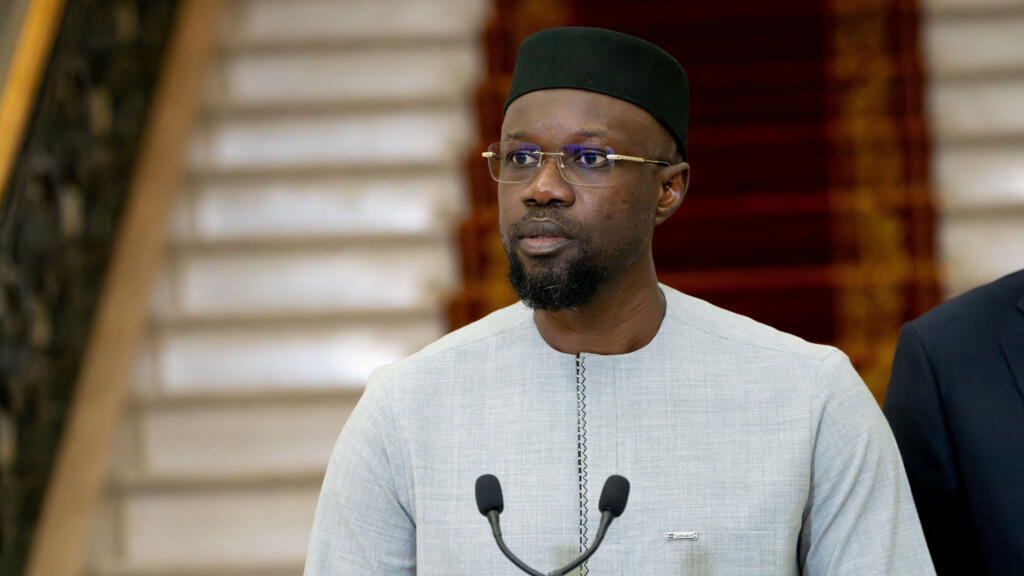
A new political chapter is unfolding in Senegal, with the appointment of a new Prime Minister and an anticipated decision on the next President of the National Assembly. These developments are fundamentally reshaping the nation’s political landscape.
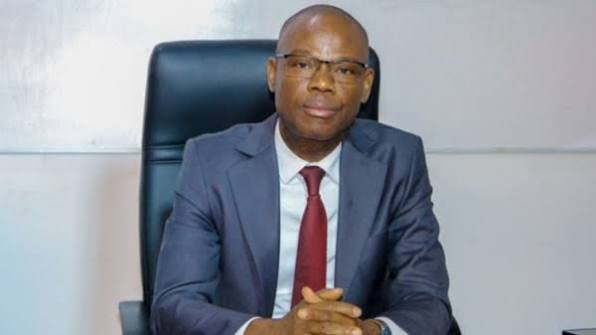
The spotlight first falls on the newly appointed Prime Minister, Ahmadou Al Aminou Mohamed Lo. Previously serving as the Minister for the National Transformation Agenda Sénégal 2050, Lo is widely characterized as a ‘technician’ rather than a populist figure. His expertise spans both national and international financial circuits, making him a strategic choice for the Senegalese government as it navigates a challenging budgetary environment while striving to achieve its ambitious development goals.
Many observers highlight Lo’s deep understanding of monetary and financial matters. He has been a central figure in the current administration since its inception, contributing significantly to the implementation of new governance strategies. His background in macroeconomics, banking regulation, financial markets, and Islamic finance positions him as a crucial architect for Senegal’s economic future.
Sonko’s potential return to the National Assembly
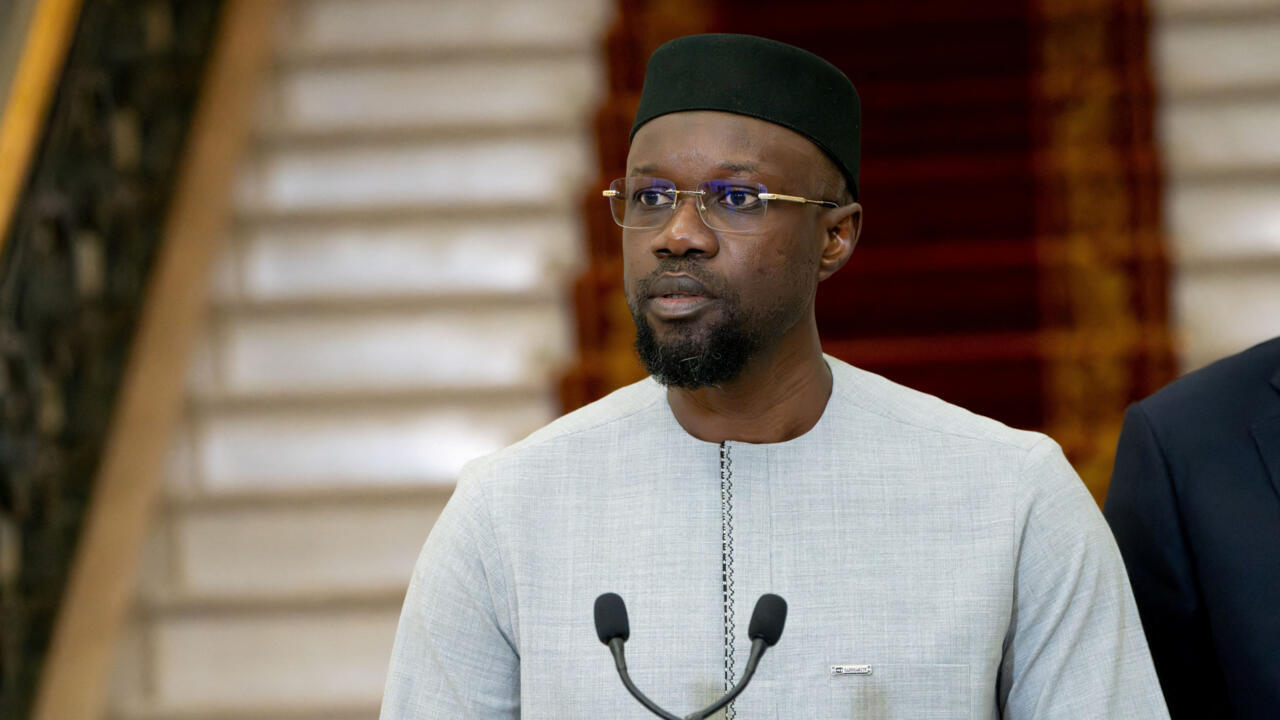
Following the dismissal of Ousmane Sonko as Prime Minister, President Bassirou Diomaye Faye’s administration is clearly taking a proactive stance. The National Assembly is scheduled to convene this Tuesday morning for a pivotal session. The agenda includes discussions on the reintegration of Deputy Ousmane Sonko and the election of a new President of the National Assembly. This session is expected to be decisive in the ongoing institutional realignment.
A key question on everyone’s mind is whether Ousmane Sonko is on a path to becoming the Speaker of the National Assembly. The Pastef party aims to counter the recent governmental changes by positioning its historical leader at the helm of the legislative branch. Freed from executive duties, Sonko would gain a powerful platform to influence budgetary decisions, parliamentary inquiry commissions, and the reform agenda. This strategy is bolstered by Pastef’s significant majority, holding 130 out of 165 seats in the National Assembly, secured during the November 2024 legislative elections.
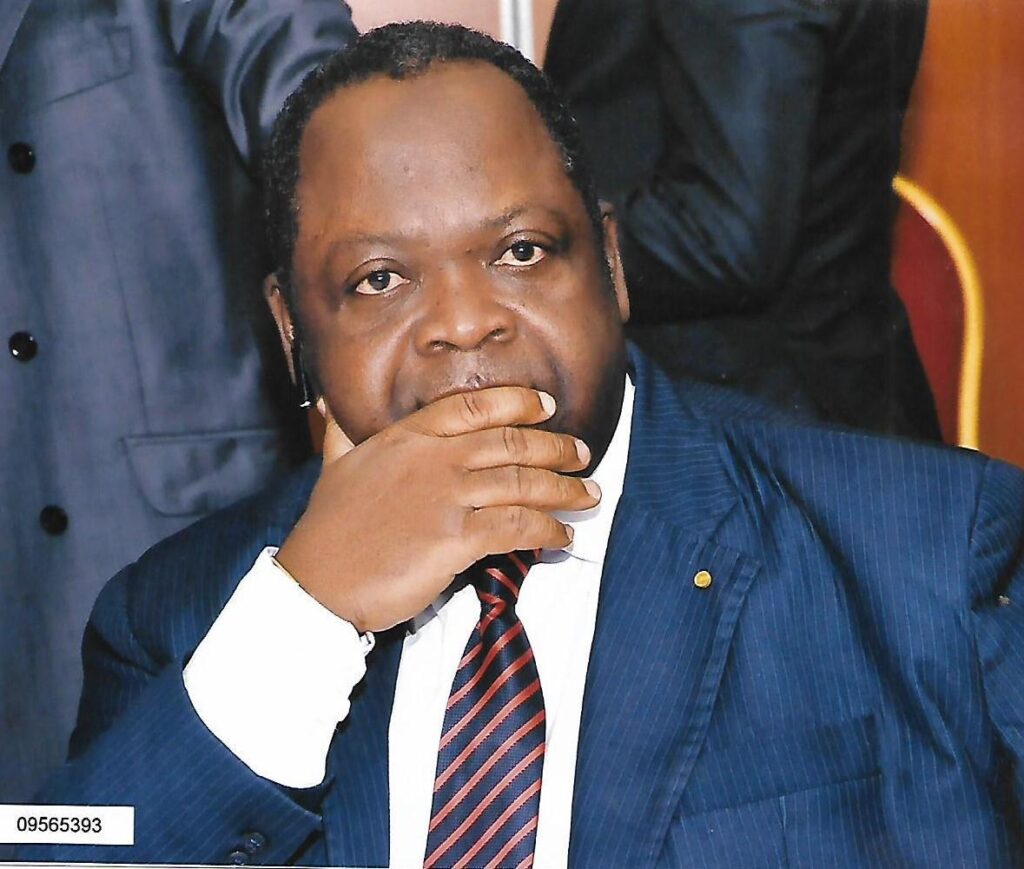
However, a significant legal uncertainty surrounds the legality of Sonko’s potential return to his parliamentary seat. Several legal experts and prominent political figures contest his right to reclaim his deputy scarf. Former parliamentarians Cheikhou Oumar Sy and Théodore Chérif Monteil emphasize that Senegalese law generally considers the replacement by a substitute as definitive for the entire legislative term. Therefore, this Tuesday’s session promises to be contentious. Should Ousmane Sonko’s reintegration be validated, Senegal would enter an unprecedented form of cohabitation, with President Faye leading the executive branch alongside a parliamentary majority loyal to his primary political rival.
Looking ahead to 2029: presidential ambitions and stability concerns
Against this backdrop, the 2029 presidential election is already becoming a central preoccupation in Senegal politics. Ousmane Sonko appears more determined than ever to ascend to the highest office. His parliamentary majority has already initiated reforms to the electoral system, which some perceive as an effort to remove obstacles that prevented his candidacy in 2024. A fundamental question remains: will Sonko patiently await the normal electoral timeline, or will he seek to accelerate the political calendar by imposing a new institutional balance of power?
This dynamic poses a significant risk to the nation’s stability. When two powerful figures from the same political camp cease to cooperate, the entire system can descend into continuous confrontation. Senegal, long admired as a stable democracy in a region often plagued by institutional crises, may be entering a period of considerable turbulence.
The formation of the new government could quickly escalate tensions. Questions arise regarding the composition of the new cabinet: will ministers primarily be drawn from Pastef, the party to which President Faye still belongs, or will they be loyalists to Faye without direct party affiliation? Furthermore, the possibility of President Diomaye Faye dissolving the National Assembly remains a potent option. While this could be an attempt to secure a more favorable majority, it carries substantial risks. If Pastef were to return with an even stronger majority, not only would the 2029 presidential election likely be lost for Faye, but Sonko would undoubtedly emerge as the undisputed political force in Senegal.