Senegal’s new government formalizes transitional power-sharing between Diomaye and Sonko
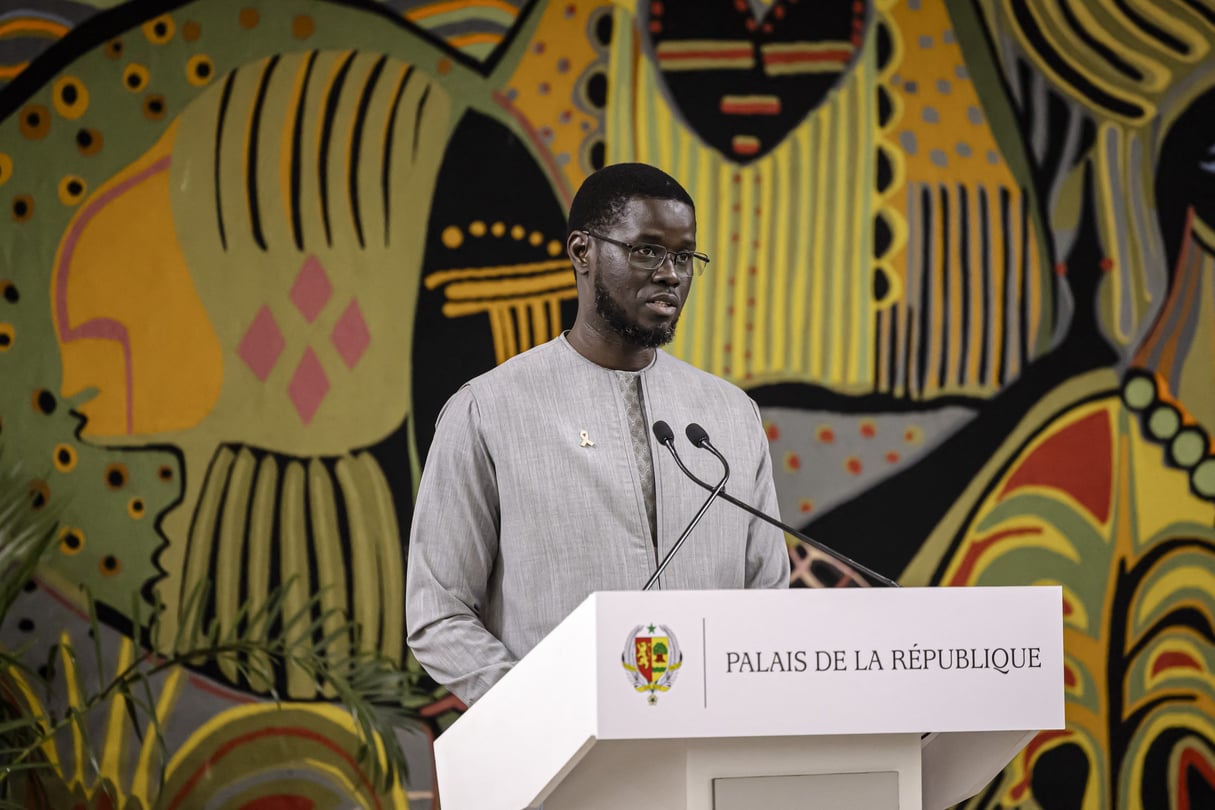
The appointment of Senegal’s latest cabinet marks a definitive step toward institutional stability following months of political negotiation. President Bassirou Diomaye Faye has officially endorsed a government structure designed to bridge divides and consolidate the nation’s democratic trajectory.
Government formation reflects evolving political dynamics
This carefully structured administration underscores the Pastef coalition’s influence while ensuring continuity in governance. The reshuffle demonstrates how Senegal’s political landscape has adapted to recent developments, balancing reformist ambitions with institutional pragmatism.
The inclusion of key figures from Ousmane Sonko‘s movement signals a commitment to inclusive leadership. This coalition-building effort aims to reconcile divergent visions while maintaining policy coherence during a critical phase of national development.
Key appointments and strategic priorities
The new cabinet features a blend of seasoned technocrats and reform-minded officials tasked with addressing pressing national challenges. Among the most notable changes:
- Economic stabilization initiatives to curb inflation and attract foreign investment
- Judicial reforms following the Thiaroye massacre inquiry
- Social cohesion programs to address youth unemployment and regional disparities
- Enhanced regional diplomacy to strengthen ties within West Africa
These priorities reflect the administration’s dual focus on immediate crisis management and long-term structural transformation.
Implications for Senegal’s democratic journey
The latest government formation serves as a litmus test for Senegal’s political maturity. By institutionalizing power-sharing mechanisms, the country demonstrates its capacity to navigate complex transitions without resorting to destabilizing confrontations. This approach may set a precedent for future political realignments across the region.
The cabinet’s composition suggests a pragmatic balance between revolutionary rhetoric and governance realities. As Senegal continues its democratic experiment, the success of this arrangement will depend on the ability to deliver tangible results while maintaining public trust.