Senegal’s new governance shake-up targets extractive industries
President Bassirou Diomaye Faye has initiated a sweeping reorganization of Senegal’s extractive sector leadership, replacing politically connected officials with seasoned technical experts. The move marks a decisive break from the previous administration’s practice of appointing party loyalists to key public enterprises.
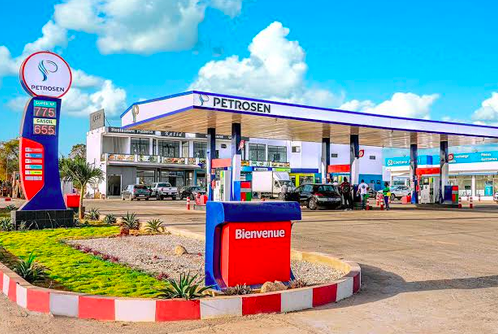
In a strategic reshuffle announced on July 1, 2026, the leadership of two critical state-owned entities underwent significant changes. Petrosen Holding, Senegal’s national oil company, saw Alioune Gueye exit as chairman, with Thierno Seydou Ly taking the helm. Similarly, Ngagne Demba Touré stepped down as head of Somisen, the national mining corporation, replaced by Mamady Touré, a geology engineer with extensive industry experience.
End of political appointments in public enterprises
The dismissals, described by insiders as inevitable yet delayed, were executed without prior notice to the outgoing officials. Both Alioune Gueye and Ngagne Demba Touré were reportedly ousted after years of close association with Ousmane Sonko, whose influence has waned since the president’s recent government reshuffle.
During the early months of Faye’s presidency in 2024, Sonko had been granted broad discretion to appoint party members to senior positions in ministries and public enterprises. However, the latest leadership changes signal a clear departure from that approach, prioritizing professional competence over political allegiance.
Technical leadership to restore investor confidence
The appointments reflect President Faye’s broader strategy to restore investor confidence in Senegal’s extractive industries. While the outgoing leaders—an accountant and a lawyer, respectively—held technical qualifications, their successors bring deep sector-specific expertise. Thierno Seydou Ly, a petroleum engineer with prior experience at TotalEnergies, and Mamady Touré, a geologist and founder of a specialized engineering consultancy, are expected to enhance operational efficiency and diplomatic engagement with international partners.
The shift comes amid ongoing contract reviews initiated under the previous administration. Analysts suggest the new leadership’s technical backgrounds and less polarizing profiles could help stabilize relations with foreign investors, particularly as Senegal renegotiates extractive contracts.
The president’s decisive actions underscore a commitment to depoliticizing the extractive sector, a critical pillar of Senegal’s economy. Observers anticipate further leadership changes in state-owned enterprises closely tied to Sonko, including the Autonomous Port of Dakar and the Deposit and Consignment Fund.
This strategic realignment sends a strong signal to both domestic stakeholders and international partners about the government’s priorities in economic governance.