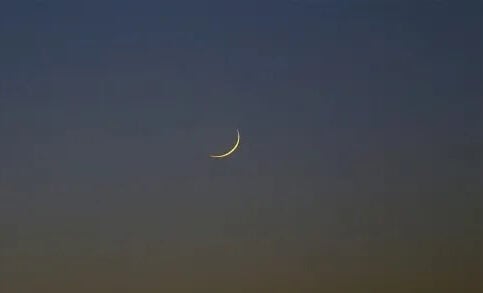
The anticipated sighting of the lunar crescent marking the start of Dhul Hijja 1447 did not materialize in Senegal yesterday, leading to a shift in the religious calendar. As a result, the Tabaski celebrations have been officially scheduled for Thursday, May 28, 2026, prompting discussions about traditional observation methods and their reliability.
The National Observatory for Religious Affairs in Senegal confirmed that no sighting was recorded on Sunday, May 17, 2026, despite clear skies in many regions. This delay pushes the observance of Arafat Day to Wednesday, May 27, 2026, followed by the main Tabaski feast the following day.
The discrepancy in dates across Muslim-majority nations stems from differing approaches to lunar observation. While some countries rely on astronomical calculations, Senegal adheres to local sightings, which can lead to variations in religious observances. This year’s outcome underscores the ongoing debate over the balance between tradition and modern astronomy in determining sacred timelines.
Muslim communities in Senegal are now preparing for the upcoming pilgrimage-related events, with prayer gatherings and charitable acts taking center stage in the days leading up to Tabaski. The decision reflects both religious adherence and cultural practices deeply rooted in the nation’s identity.