
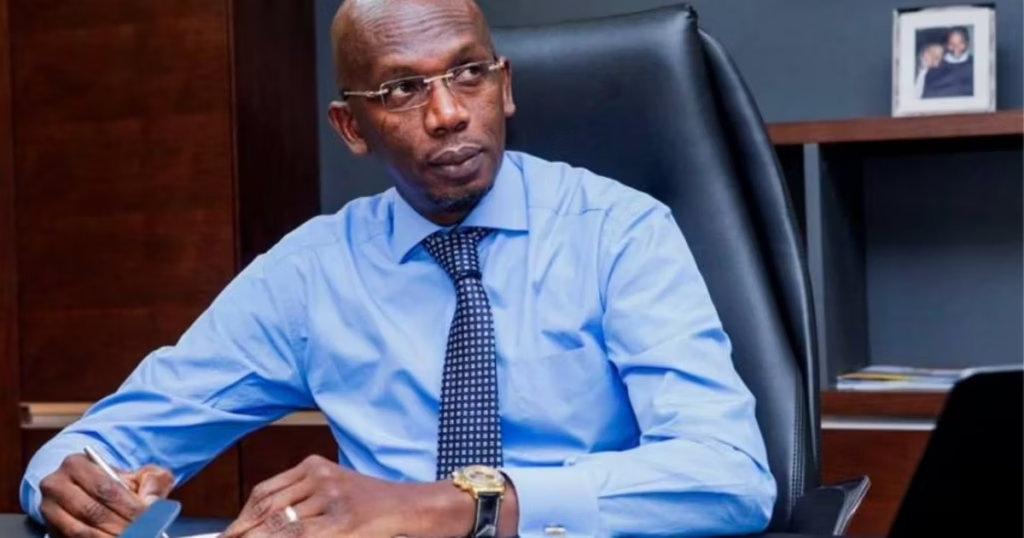
Lansana Gagny Sakho accuses Ousmane Sonko of undermining Senegal’s institutions
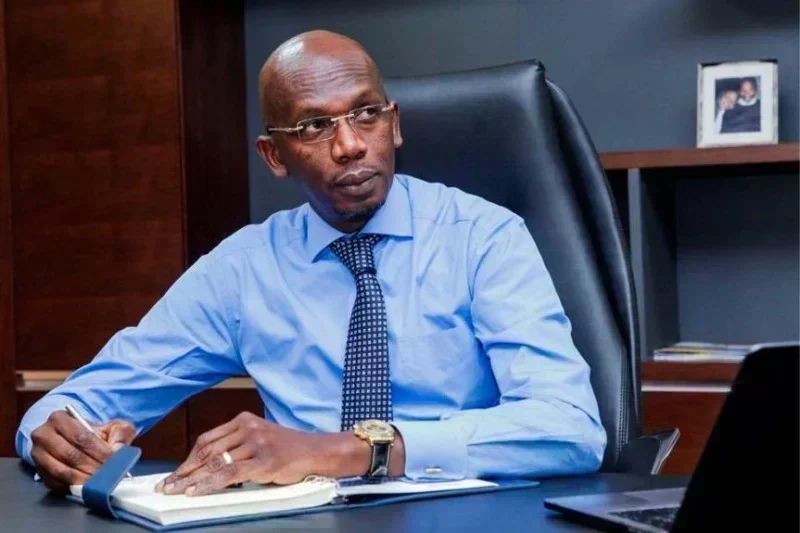
Following Senegal’s political transition, he reveals turning down a key government position to uphold his principles.
Once a close ally of Ousmane Sonko and now a prominent figure in the Kiiraay party supporting President Bassirou Diomaye Faye, Lansana Gagny Sakho has delivered a scathing critique of his former mentor. Speaking on national television, the APIX board chairman reflected on his decision to distance himself from Sonko while reaffirming his commitment to Senegal’s democratic institutions.
Sakho explained that he initially joined Sonko’s political movement drawn by its leadership. However, after the recent change in government, he declined a high-profile appointment to lead the water and sanitation sector, prioritizing his core values over political gain. “I refused to sacrifice my principles for a position. This principled stand ultimately allowed me to walk away cleanly,” he stated. “From day one, I chose the Republic over personal ambition.”
In stark contrast, Sakho accused Sonko of never truly embracing Senegal’s republican values. He pointed to public statements made during President Faye’s official visits to the United States and China, where Sonko criticized the government’s perceived lack of authority—allegedly embarrassing the Head of State. For Sakho, the true political choice lies in strengthening state institutions rather than fueling divisions.
While acknowledging challenges on both sides of the political spectrum, he highlighted significant progress in judicial reforms. Sakho also addressed recent changes at the Ministry of Justice, noting that former Justice Minister Ousmane Diagne had publicly declared his refusal to be manipulated. “They sought to replace him with a more compliant figure to influence magistrates,” Sakho asserted. “But they underestimated the independence of Senegal’s judges. Magistrates are not puppets to be controlled.”
For Sakho, the realities of governance differ markedly from opposition perspectives. He emphasized that preserving institutional integrity and improving state functionality—not political posturing—should guide Senegal’s leaders.
You may also like
-
Lansana Gagny Sakho explains why he distanced himself from Ousmane Sonko
-
Lansana Gagny Sakho clarifies stance on Ousmane Sonko and Senegal’s institutions
-
Lansana Gagny Sakho clarifies stance on Ousmane Sonko and republican values
-
Lansana Gagny Sakho clarifies his break with Ousmane Sonko over Niger’s republican values
-
« On a tenté de manipuler les magistrats » : Les propos très surprenants de Lansana Gagny Sakho