Key developments
- Recent Coverage: A prominent international news outlet recently broadcast a detailed report examining Senegal’s escalating political tensions.
- Legislative Action: The National Assembly passed a constitutional reform on June 29, 2026, aimed at strengthening parliamentary powers, which the Constitutional Council subsequently invalidated on July 9.
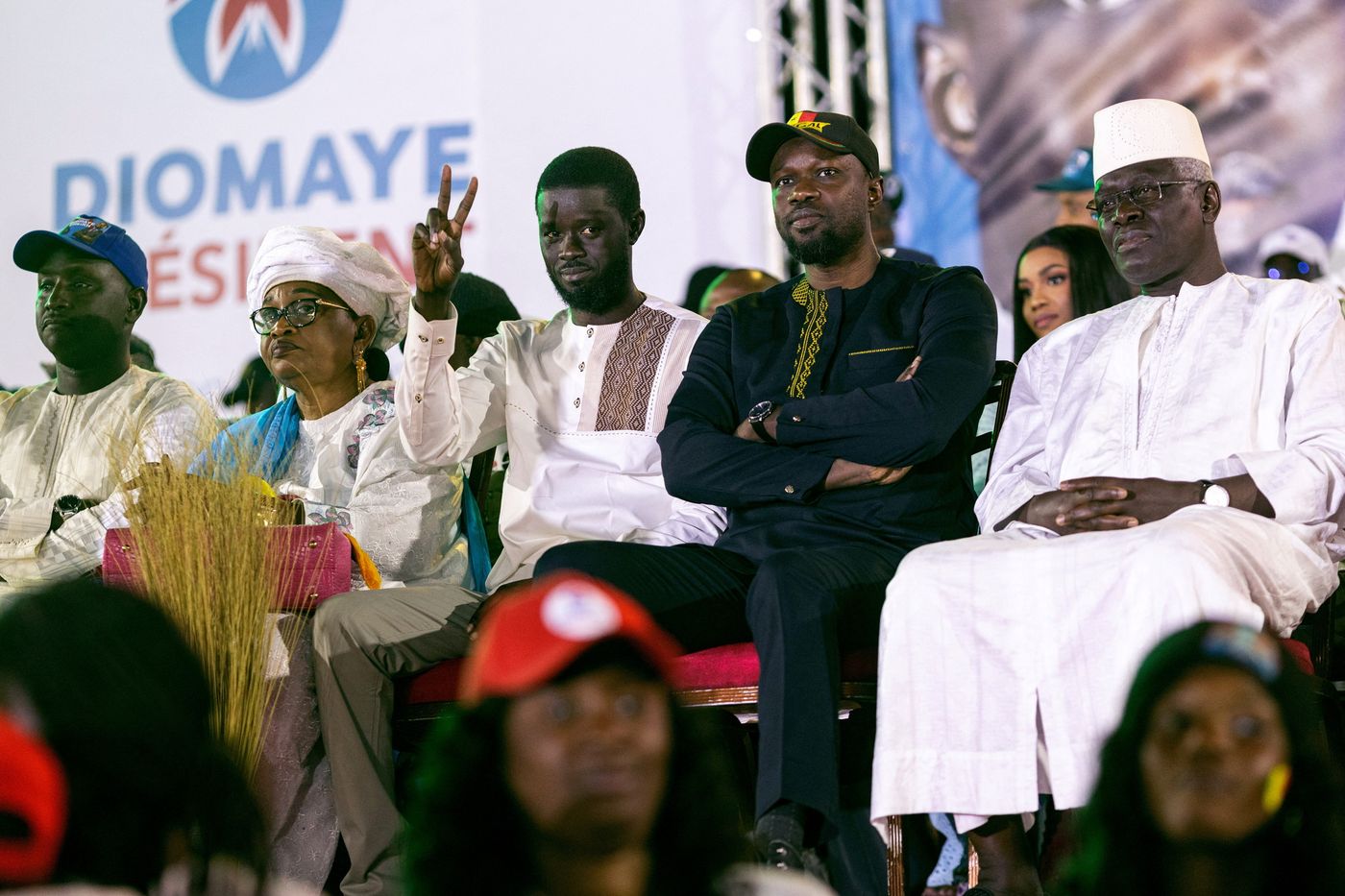
- Leadership Rift: President Bassirou Diomaye Faye and Prime Minister Ousmane Sonko, once united after their 2024 electoral triumph, are now locked in a significant political struggle.
- Parliamentary Strength: The ruling PASTEF party holds a substantial majority with 130 out of 165 seats in the National Assembly.
Senegal is currently witnessing a profound political realignment, highlighted by a recent international report documenting the growing divide between two of the nation’s most powerful figures. The special feature, titled Friends turned foes: The split reshaping Senegal, delves into the fracture between President Bassirou Diomaye Faye and Prime Minister Ousmane Sonko, who were formerly close allies within the PASTEF party.
This international scrutiny follows just two days after the Constitutional Council nullified a major constitutional reform that the National Assembly had adopted in late June. This pivotal decision has intensified the friction between the two leaders, reshaping the Senegalese political landscape with less than three years remaining until the 2029 presidential election.
A victorious alliance now embroiled in conflict
Bassirou Diomaye Faye and Ousmane Sonko secured a joint victory in the 2024 presidential election under the banner of the PASTEF party. This party currently commands a strong majority, holding 130 of the 165 seats in the National Assembly, a position that should have streamlined governance.
However, ideological disagreements quickly surfaced, particularly concerning economic policy and the nation’s engagements with international institutions like the IMF. Observers describe the unfolding situation as a ‘fratricidal struggle’ between two distinct visions for the country’s leadership and future direction.
Ousmane Sonko’s dual role as both Prime Minister and President of the National Assembly represents an unusual concentration of legislative and executive power. This unique institutional arrangement has fueled considerable friction with the presidency, and the international report underscores the tensions it generates.
Constitutional reform at the heart of the crisis
On June 29, 2026, the National Assembly approved a constitutional reform designed to bolster the powers of Parliament and the Prime Minister. This proposed legislation reportedly aimed to prohibit the President from leading a political party and suggested replacing the existing Constitutional Council with a new Constitutional Court comprising nine members.
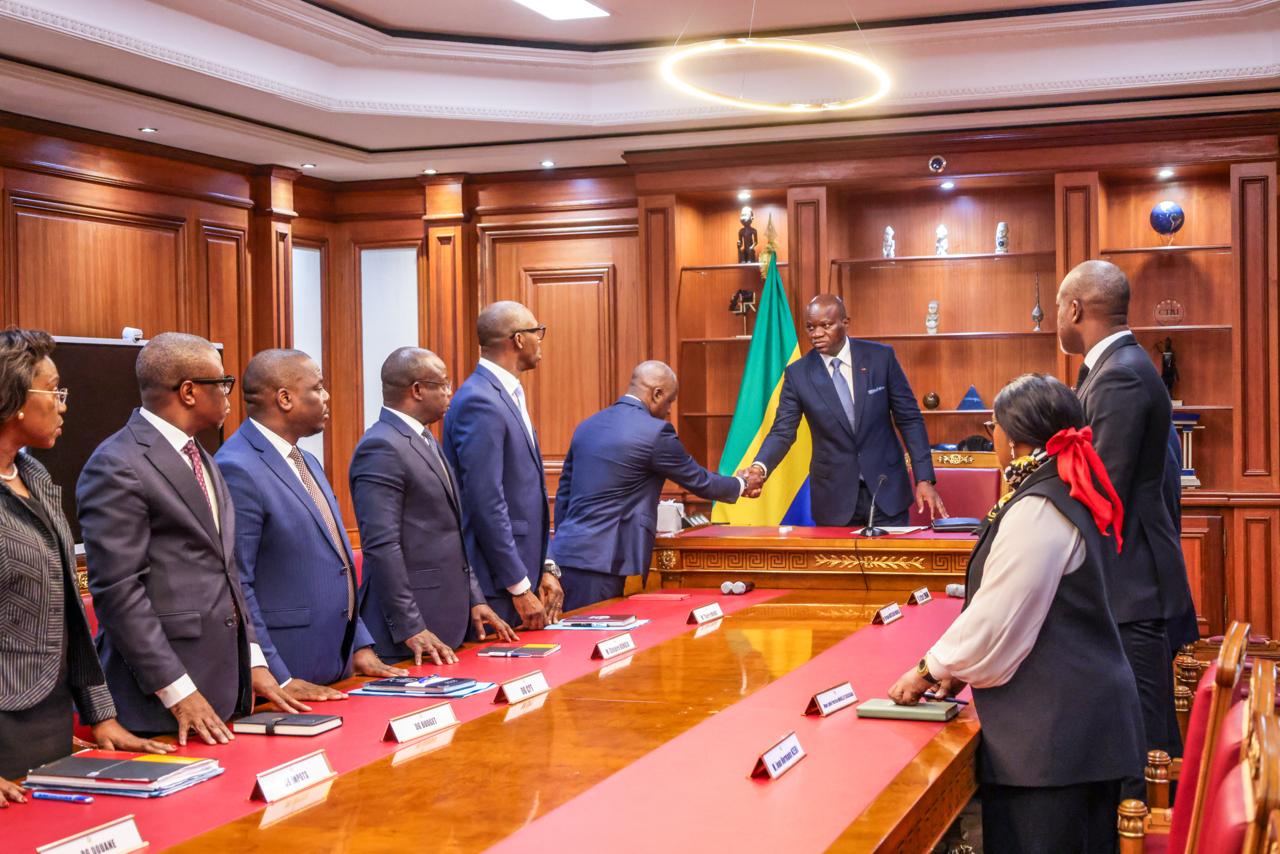
President Bassirou Diomaye Faye challenged the adoption process, referring the matter to the Constitutional Council on July 7. The Council rendered its decision on July 10, invalidating the reform. The reasons cited included procedural irregularities and the absence of allocated funding for the proposed Constitutional Court.
In response, Ousmane Sonko stated that the Council’s decision ‘is binding on all.’ This concise declaration, while acknowledging the ruling, has done little to quell speculation regarding the ongoing institutional power struggle between the two prominent figures.
A ‘summit duel’ under international observation
The release of the international report highlights the global attention focused on this evolving crisis. The media outlet, known for its extensive reach across Francophone Africa, provides a detailed interpretation of what it frames as a significant political reordering in Senegal.
For international observers, this sequence of events serves as a reminder that Senegal, often lauded as a beacon of democratic stability in West Africa, is not immune to institutional tensions. The nation, home to approximately 19 million people, remains a crucial economic and diplomatic partner for many international players in the region.
Local media outlets extensively covered the invalidation of the reform, emphasizing the depth of the rift at the highest levels of government. Commentators have widely characterized the Faye-Sonko opposition as a ‘summit duel,’ a phrase now frequently used to describe the power struggle.
Senegal’s political context
Senegal operates as a presidential republic where the head of state traditionally wields broad powers. Bassirou Diomaye Faye’s election in 2024 marked a notable political transition, driven by the momentum of the PASTEF party and Ousmane Sonko’s widespread popularity.
The current governmental structure, featuring a Prime Minister who also presides over the Assembly, is unconventional and consolidates significant legislative and executive influence in one individual. This unique configuration partially explains the presidential challenge to a reform perceived as diminishing the prerogatives of the Senegalese presidency.
The nation confronts substantial economic challenges, particularly concerning public debt management and ongoing negotiations with the IMF. The disagreements between Faye and Sonko on these critical issues reflect strategic divergences that extend beyond mere power disputes.
Electoral stakes and future outlook
The upcoming local elections in 2027 and the presidential election in 2029 define the immediate political horizon. Analysts anticipate that the schism between Faye and Sonko will shape these future electoral contests, raising the possibility of a PASTEF party split or a realignment of political alliances.
The party’s overwhelming parliamentary majority complicates the situation: neither the President nor the Prime Minister can effectively govern without the other’s cooperation, risking institutional paralysis. The question of who will ultimately control the PASTEF party apparatus has become central to the political discourse.
The international report underscores this temporal dimension, suggesting that the current crisis is not an isolated incident but the beginning of a prolonged battle for control over Senegalese power. The coming months will reveal whether the two leaders can find a way to coexist or if their rift becomes permanent.
While the Constitutional Council’s decision offered a temporary reprieve to President Faye, it did not resolve the underlying fundamental differences. The Senegalese political scene has entered a period of uncertainty, closely monitored by regional and international partners.