The Dakar-Bamako roadway, a vital commercial lifeline between Senegal and Mali, now faces unprecedented security challenges. The Senegalese Road Haulers’ Union (URS) has instructed its drivers to suspend all trips to Malian territory, citing a surge in attacks by the Group for the Support of Islam and Muslims (JNIM), an Al-Qaeda affiliate. Since late April, jihadist fighters have increasingly targeted cargo convoys, turning this strategic corridor into one of the region’s most perilous routes.
Economic lifeline under siege by insecurity
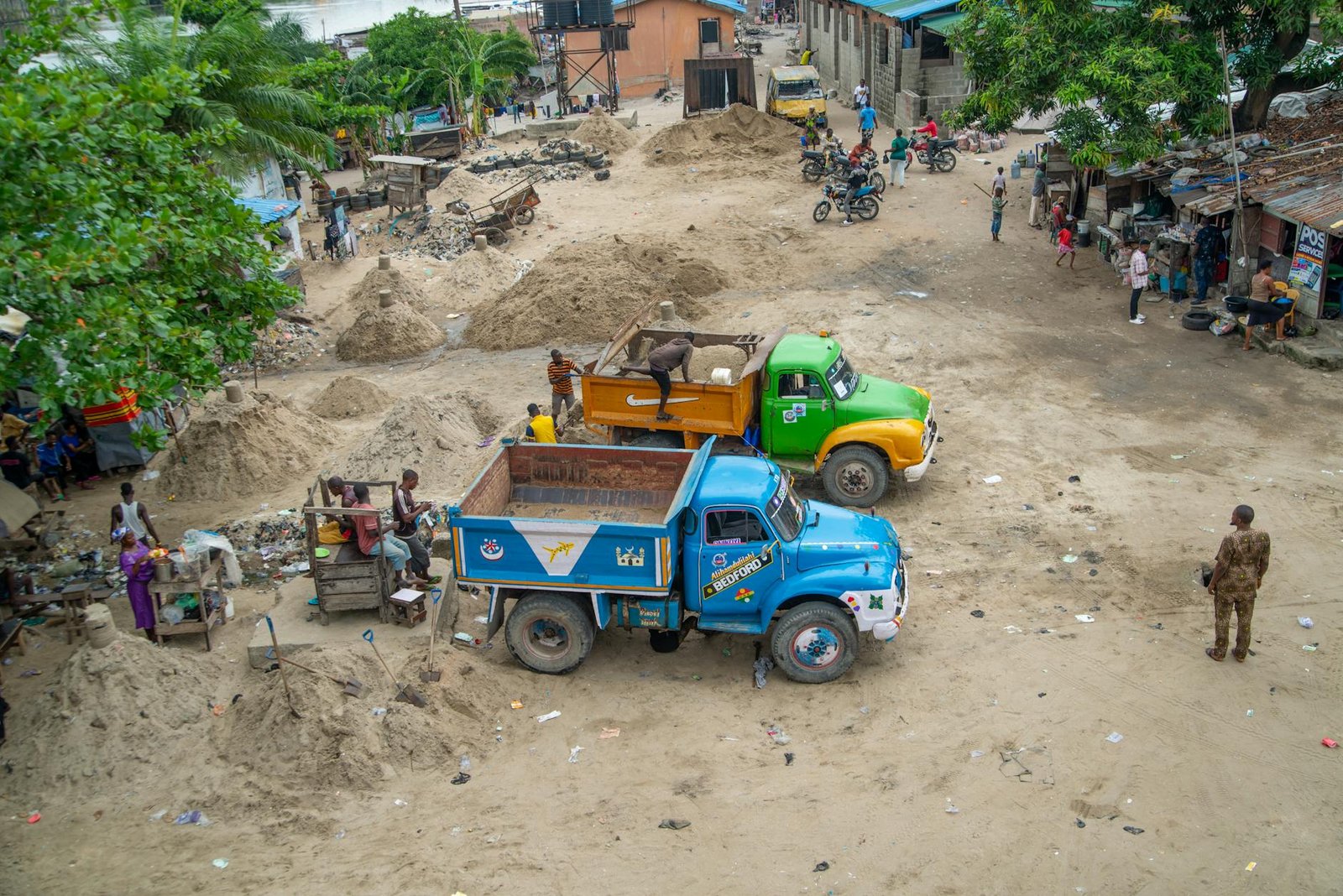
This 1,200-kilometer road handles the bulk of land trade between both nations. Fuel, food staples, cement, construction materials, and industrial goods flow daily through this artery, especially since Mali’s landlocked status pushed importers to rely more heavily on Senegal’s Dakar port. Border closures with Côte d’Ivoire during the recent ECOWAS sanctions further strained this logistics chain, making Dakar’s port the primary gateway for Malian-bound goods.
The URS directive now risks choking this commercial lifeline. Without Senegalese trucks, Bamako’s supply of gasoline, manufactured goods, and essential food items could face severe disruptions. Markets already battling inflation and recurring shortages may soon see prices skyrocket, worsening living conditions for Malians.
JNIM’s calculated campaign against Sahel supply chains
Since late April, JNIM has escalated its economic warfare tactics against Mali’s transitional government. Fighters have systematically targeted fuel tankers, cargo trailers, and public transport vehicles along key routes linking Bamako to Senegal and Mauritania. This strategy, previously used in central Mali against military convoys, has now spread to the relatively stable western regions.
The group’s dual objectives are clear: crippling urban economies under military control while exposing the junta’s inability to secure national highways. Simultaneously, these raids provide jihadists with critical resources—fuel and manufactured goods—to sustain operations in remote rural areas.
Senegalese transporters are bearing the brunt of this crisis. Recent ambushes have left several drivers injured, killed, or kidnapped, while burned-out trucks represent significant financial losses for often family-run businesses lacking jihadist attack coverage.
Regional ripple effects force Senegal’s hand
The halt in truck traffic forces Senegal into a precarious balancing act. President Bassirou Diomaye Faye’s administration has prioritized dialogue with Sahel juntas, diverging from ECOWAS’s previous hardline stance. Yet, the growing insecurity on this corridor now threatens Senegal’s economic interests and the safety of its citizens.
Dakar’s port, which had absorbed much of Mali’s redirected cargo, may see container traffic shrink if overland shipments to Bamako remain suspended. Logistics firms are already exploring costly alternatives, rerouting goods through Mauritania or relying on rail networks with limited capacity.
The repercussions extend beyond Senegal. The entire West African commercial framework is now at risk. JNIM’s ability to paralyze a 1,200-kilometer trade route underscores the security vacuum left by Western partners’ withdrawal and the realignment of the Alliance of Sahel States. Whether Dakar and Bamako can forge a coordinated response to reopen the corridor remains uncertain, especially as Malian authorities have so far dismissed the idea.