Heated Exchange in Senegal’s National Assembly as Sonko Cross-Examines Foreign Minister Cheikh Niang
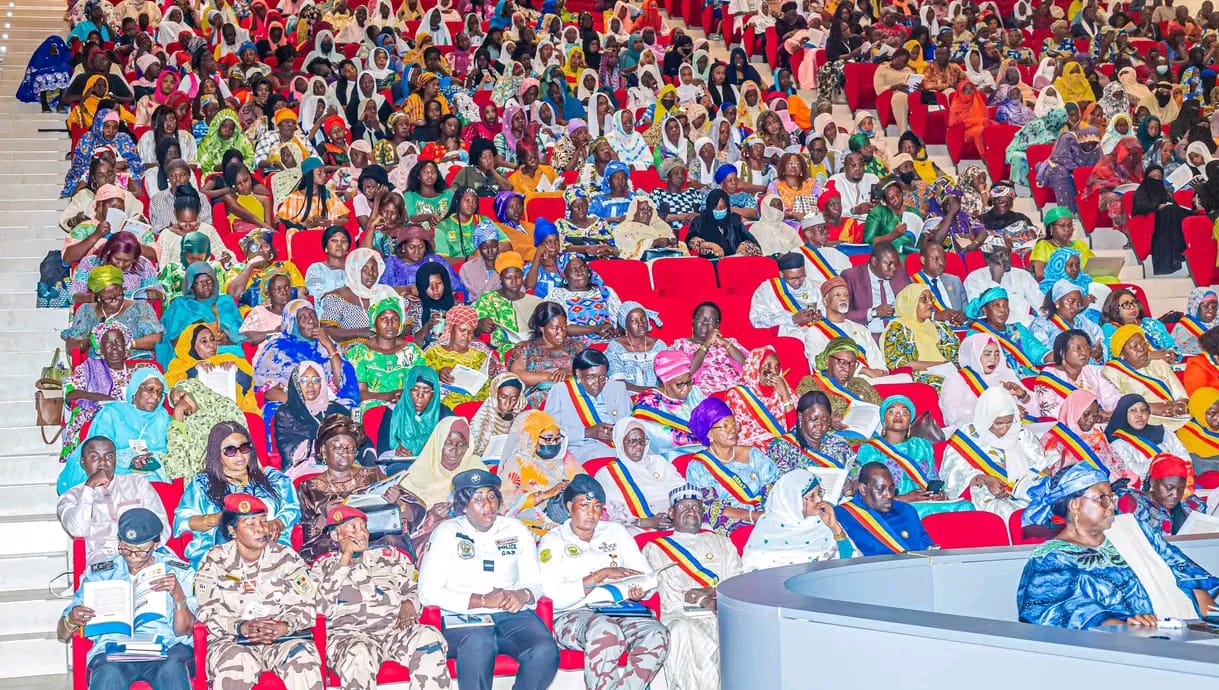
Tensions reached a boiling point in Senegal’s National Assembly today as opposition leader Ousmane Sonko confronted Cheikh Niang, the Minister of Foreign Affairs, in a high-stakes parliamentary session. The clash underscored deep political divides and raised questions about the country’s diplomatic priorities.
The confrontation began when Sonko, leader of the Patriotes Africains du Sénégal pour le Travail, l’Éthique et la Fraternité (PASTEF), took the floor to challenge Niang’s handling of international relations. Sonko accused the government of failing to protect Senegalese citizens abroad and criticized foreign policy decisions that, in his view, undermined national sovereignty.
Cheikh Niang, known for his diplomatic composure, responded firmly, defending his ministry’s record and accusing Sonko of politicizing sensitive foreign affairs issues. The exchange grew increasingly heated, with both sides trading sharp barbs in front of fellow legislators and the public.
Key Points of the Debate
The discussion centered on several critical issues:
- Citizen Protection Abroad: Sonko demanded answers on the government’s efforts to assist Senegalese nationals facing legal challenges or humanitarian crises in foreign countries.
- Diplomatic Relations with Neighboring Countries: The opposition leader questioned the government’s approach to regional diplomacy, particularly in light of recent border disputes and trade tensions.
- Economic Diplomacy: Sonko criticized the lack of tangible benefits from Senegal’s international partnerships, arguing that ordinary citizens were not reaping the rewards of global engagement.
- Government Transparency: He called for greater accountability in foreign policy decisions, suggesting that key agreements were being made without sufficient parliamentary oversight.
Public and Political Reactions
The altercation sparked immediate reactions from both sides of the aisle. Supporters of Sonko praised his boldness in holding the government accountable, while Niang’s allies defended his performance, citing achievements such as strengthened ties with France and China.
Outside the assembly, civil society groups and youth activists staged protests, demanding transparency in foreign policy decisions. The incident has added fuel to the already charged political climate ahead of upcoming elections.
As the session adjourned, neither side appeared willing to back down, leaving observers to wonder about the long-term implications for Senegal’s political landscape and its international standing.