new mediator of the republic in Benin: who is razacki amouda issifou?
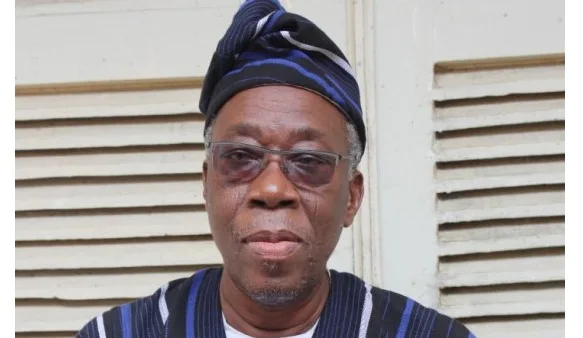
The Bénin National Assembly has just approved a landmark reform that reshapes the appointment process for the Médiateur de la République. Under the revised legal framework, the first vice-president of the Economic and Social Council (CES) now automatically assumes this pivotal role. Today, that responsibility falls to Razacki Amouda Issifou, marking a significant shift in institutional governance.
from legal expert to state mediator
Razacki Amouda Issifou’s appointment follows a parliamentary vote on June 24, 2026, endorsing the reform that ends the previous nomination system. As the sitting first vice-president of the CES, he now holds the mandate once held by Pascal Essou, who served since 2021. The legislative change reflects broader efforts to modernize state institutions and streamline conflict resolution mechanisms.
With a deep background in public service, Issifou brings extensive expertise to this role. A trained jurist, he has served as vice-president of the Constitutional Court, a member of parliament, and chairman of the National Assembly’s Law Commission. His career also includes terms as mayor and, in 1996, the position of secretary-general of the first Independent National Electoral Commission (CENA).
a mediator’s mission: bridging citizens and administration
The Médiateur de la République serves as an ombudsman, helping resolve disputes between citizens and government agencies. The office focuses on mediating amicable solutions when individuals feel wronged by public services, ensuring fairness and accountability in state-citizen interactions.
key responsibilities of the mediator
- mediating administrative conflicts — assisting citizens facing unjust treatment by public authorities
- promoting transparency — encouraging ethical conduct within government institutions
- facilitating dialogue — creating channels for constructive communication between citizens and the state