
security crisis fuels Rwanda’s hidden plans in eastern Congo
While the Democratic Republic of the Congo’s government claims to have reached a disarmament and demobilization agreement with Rwanda’s FDLR rebels operating in eastern DRC, Kigali dismisses the initiative as a mere delay tactic. The decades-long dispute between Kinshasa and Kigali over the FDLR—some accused of involvement in Rwanda’s 1994 genocide—remains unresolved. Kigali still views the group as a threat, justifying its military presence in eastern DRC alongside the M23 rebel alliance.
Under last year’s Washington agreements, Rwanda pledged to withdraw its troops while Kinshasa vowed to neutralize the FDLR. Yet today, the stark contrast in commitments raises a critical question: what has changed?
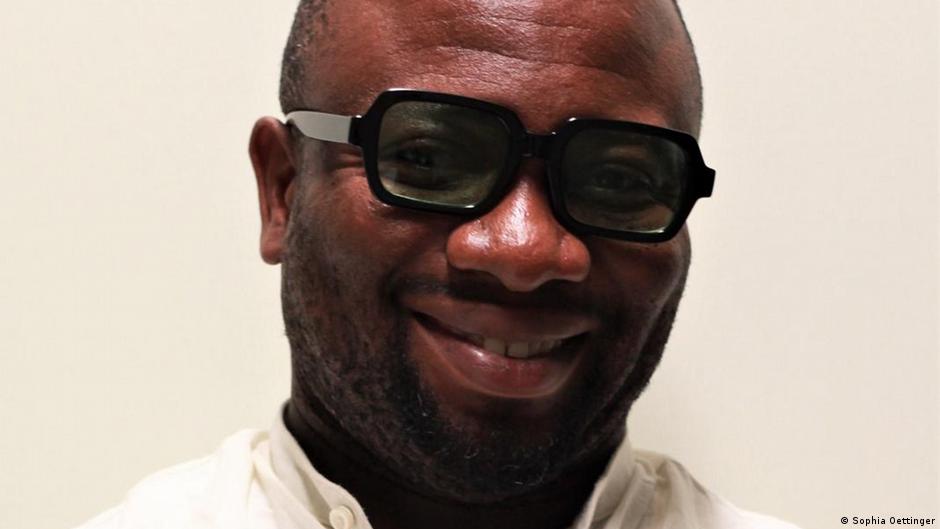
Insights from Josaphat Musamba, a PhD researcher at Ghent University in Belgium
Josaphat Musamba: Kigali has flatly rejected the sensitization process and rejected any persuasive measures. I believe Kigali is acting in bad faith. What is their ultimate goal? Despite their military operations, I suspect this status quo in eastern DRC serves Rwanda’s interests—and they aim to sustain it. Kigali’s geostrategic ambitions in eastern DRC remain unclear and ambiguous.
What is the true nature of FDLR presence in eastern DRC, and what lies beneath their operations?
Josaphat Musamba: While Kigali and the M23 alliance claim the FDLR are integrated into the DRC’s armed forces—a claim without empirical support—I believe their allies cannot fully neutralize the FDLR in their zones. This raises questions. For me, the ongoing chaos in eastern DRC serves a broader geopolitical agenda for Kigali. By destabilizing Congolese administrative structures in the east, Rwanda is expanding its influence in the region.
Does Kigali’s rejection of the Kinshasa-FDLR protocol mean the FDLR will never be dismantled, preventing peace between Rwanda and DRC?
Josaphat Musamba: Kigali’s argument lacks factual basis. The DRC has opted for dialogue over military confrontation with the FDLR, adapting to regional realities. In my view, this approach is pragmatic. While countering Rwandan forces and M23, the DRC cannot open additional fronts against the FDLR. If persuasion works, these armed groups could dissolve. However, their ideology—a resistance against the Kigali regime—may persist, diverging from Rwanda’s genocide narrative.
You may also like
Trading one patron for another: the sovereignty illusion under Ibrahim Traoré
Niger : à Niamey, un convoi d’eau destiné aux mercenaires russes saccagé par la foule
Burkina Faso : Apollinaire Kyélem de Tambèla blocked from leaving the country
Cameroun : Yaoundé mobilise 432 millions USD pour reprendre Société Générale Cameroun
Burkina Faso’s energy gamble: 104 billion CFA francs pledged as unpaid bills to Côte d’Ivoire linger