France fully supports DRC’s diplomatic offensive on natural resources at UN
- Security
The Democratic Republic of Congo (DRC), which currently holds the presidency of the United Nations Security Council for July, is determined to make the governance of natural resources a central topic in international discussions. Kinshasa believes this issue is fundamental to addressing contemporary conflicts.
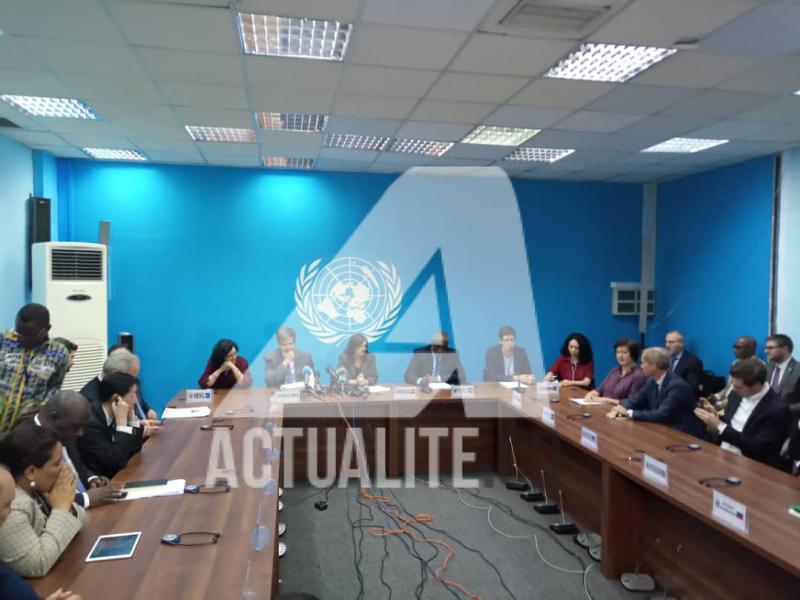
To advance this agenda, the DRC organized a ‘Arria formula’ meeting in New York on Monday, July 13, focusing on the relationship between natural resource exploitation and peace. This diplomatic effort will culminate in a high-level debate on July 22, chaired by President Félix Tshisekedi, under the theme: “Natural Resource Governance: The Foundation for Peace, Security, and Prosperity.”
The Congolese Ministry of Foreign Affairs, led by Thérèse Kayikwamba Wagner, has highlighted what it describes as a ‘normative gap’ in the international governance of natural resources in conflict and post-conflict settings. Existing frameworks, such as mineral traceability, corporate due diligence, and conflict funding prevention mechanisms, are deemed fragmented and inconsistent. The DRC is advocating for a more integrated international framework that aligns natural resource governance with conflict prevention and international security.
The DRC’s approach seeks to shift the global perspective on natural resources. Rather than viewing them solely through an economic or commercial lens, Kinshasa argues they should be treated as a strategic peace and security issue—one that deserves prominent placement on the UN Security Council’s agenda. This position has gained traction with France, which, through its Permanent Representative to the UN, reaffirmed its support for the DRC’s initiative.
“Natural resources must serve as a lever for sustainable and equitable development for the populations and countries that possess them. They must be safeguarded against exploitation by predatory actors and diverted for malicious purposes. Moving forward, France aligns with the DRC’s objective of strengthening and harmonizing international initiatives aimed at ensuring the responsible use of these resources. We are fully committed to contributing to the Council’s work, which will support the high-level debate the DRC will host next week, in the presence of President Félix-Antoine Tshisekedi,” stated Jérôme Bonnafont, France’s Permanent Representative to the United Nations.
The DRC’s diplomatic activities under its UN Security Council presidency reflect a broader commitment to addressing critical challenges. This week’s meeting on natural resources follows a July 8 briefing on conflict-related sexual violence, chaired by Prime Minister Judith Suminwa Tuluka. That session emphasized the human cost of war economies and underscored the need to strengthen prevention, survivor protection, accountability, and reparations mechanisms.
These efforts occur against the backdrop of the DRC’s strategic partnership with the United States on critical minerals and the Washington Agreement signed with Rwanda. The latter includes measures for de-escalation, the gradual withdrawal of Rwandan forces from Congolese territory, and the neutralization of armed groups operating in eastern DRC, particularly the FDLR, which Kigali considers a security threat. Despite this diplomatic progress, the security situation remains precarious. The Doha process, mediated by Qatar to facilitate dialogue between Kinshasa and the AFC/M23 rebellion, remains stalled. The AFC/M23 rebels, accused by Kinshasa, the UN, and international partners of receiving Rwandan support, continue to control key cities such as Goma and Bukavu, as well as several localities in North and South Kivu provinces. Ongoing clashes persist, while diplomatic efforts struggle to yield lasting results—a recurring theme highlighting the disconnect between announced diplomatic progress and ground realities.