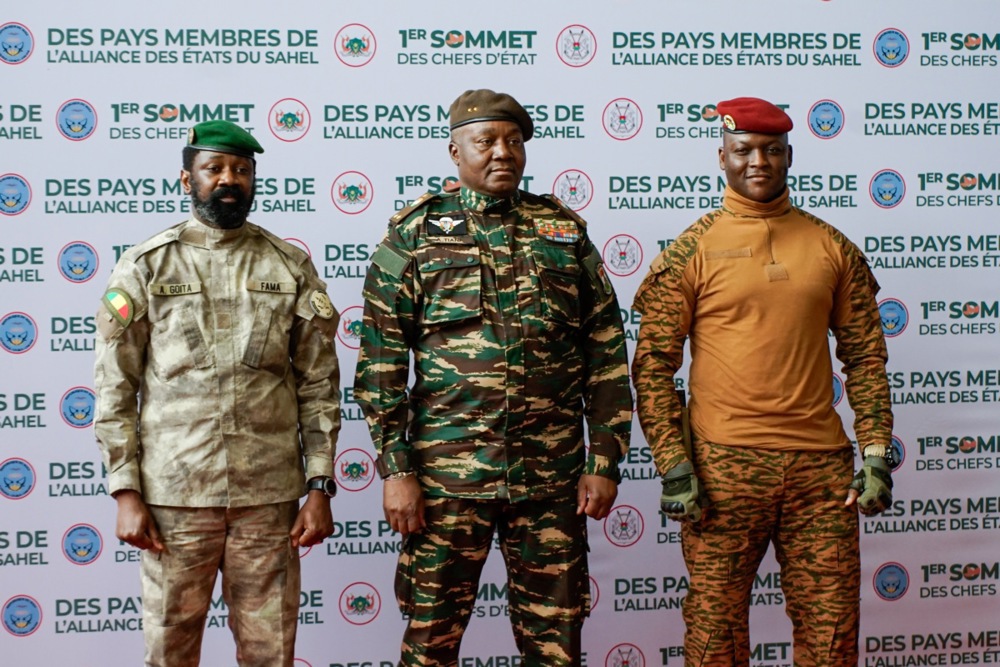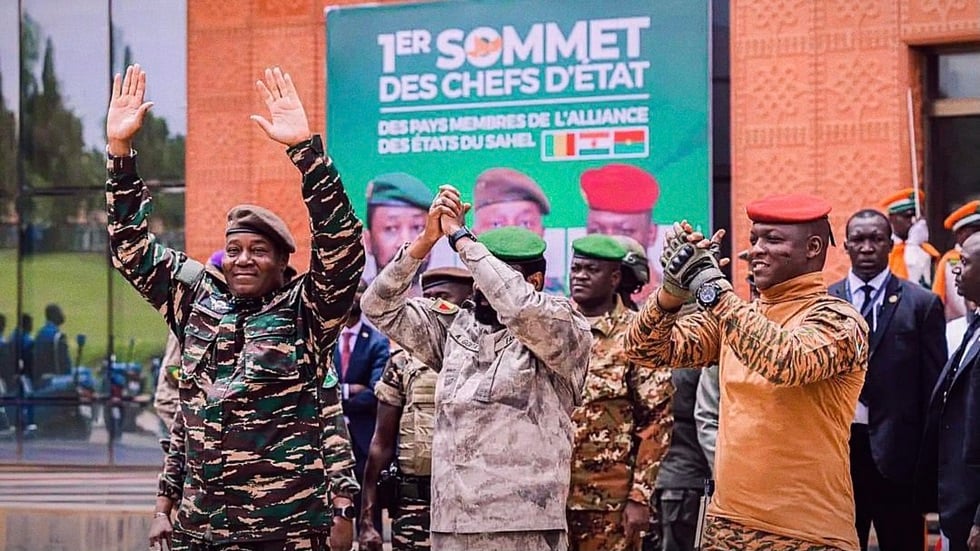
In the shifting sands of geopolitics, timing often spells the difference between triumph and tragedy. The recent withdrawal of the Alliance of Sahel States (AES)—comprising Mali, Burkina Faso, and Niger, all under military governance—from the Economic Community of West African States (ECOWAS) is revealing itself as a gamble with escalating risks rather than a bold assertion of independence.
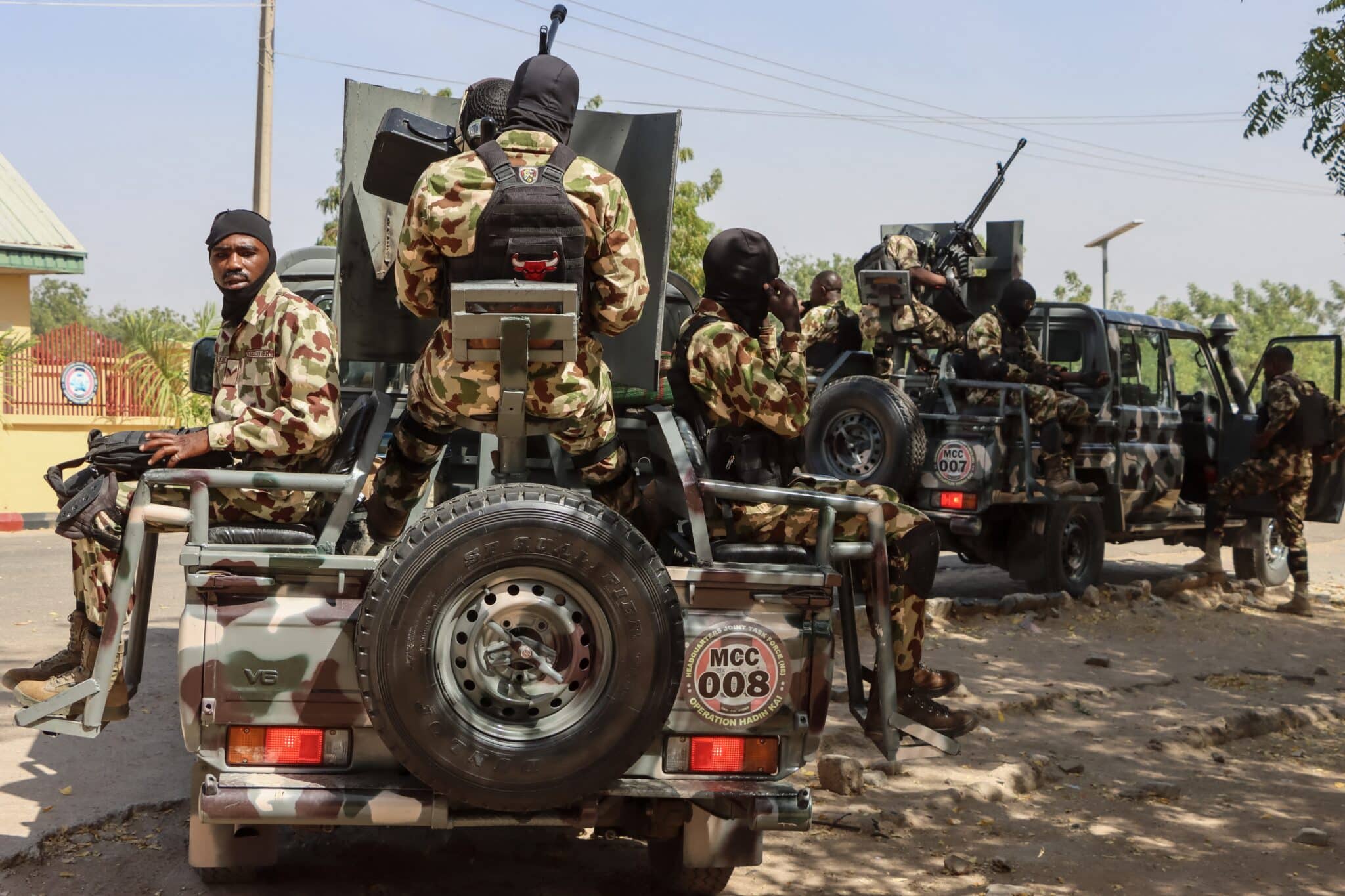
The decision comes at a critical juncture. West Africa is under relentless pressure from extremist factions like Boko Haram and the Islamic State West Africa Province (ISWAP), where collective action should be the cornerstone of defence. Instead, the region is witnessing fragmentation, and in matters of security, fragmentation is not merely inefficient—it is perilous.
The AES bloc justified its exit by accusing ECOWAS of being a tool of neo-colonial influence, particularly tied to France. While historical grievances hold weight, the current reality demands a more pragmatic assessment. Abandoning a regional security framework without a viable alternative in place does not equate to sovereignty—it equates to vulnerability.
the russian pivot: a gamble with no guarantees
The move toward Russia as a security partner was framed as a strategic realignment. Yet, the ground reality tells a different story. Moscow’s engagements, as evidenced globally, are transactional in nature—support is extended only as long as it aligns with its strategic interests. When the cost-benefit balance shifts, so does its commitment. This is not conjecture; it is a pattern observed repeatedly.
Recent insurgent offensives across key Mali cities—including Bamako, Sevare, Mopti, Tessalit, Gao, Kati, and Kidal—have laid bare the fragility of this new approach. The anticipated protection from external alliances has proven hollow. Even more alarming was the tepid response from Burkina Faso and Niger. A coalition that cannot mobilize swiftly to defend one of its own raises serious doubts about its operational effectiveness.
lessons from history: the power of collective action
The ECOWAS Monitoring Group (ECOMOG) stands as a testament to the strength of regional unity. Under Nigeria’s leadership, ECOMOG intervened decisively in Liberia and Sierra Leone, restoring stability during periods of near-total collapse. Though not flawless, it was a demonstration of collective resolve rooted in shared purpose.
Consider also the case of The Gambia, where former president Yahaya Jammeh refused to concede power after losing an election. Nigerian troops, operating under an ECOWAS mandate, swiftly intervened, persuading Jammeh to step down and flee to Equatorial Guinea. These examples underscore a vital truth: geography does not negotiate. West African nations are inextricably linked—not just by treaties, but by shared borders, cultures, and the cascading consequences of instability. When Mali faces crisis, Niger feels the repercussions. When Burkina Faso struggles, Ghana bears the strain. Security in this region is indivisible.
the iranian model: self-reliance as the ultimate safeguard
The narrative often cites Iran as an example of indigenous resilience, but the lesson extends beyond defiance. It is about building capacity. Domestic military strength, intelligence systems, and technological innovation must form the foundation of any credible defence strategy. External alliances can play a supporting role, but they can never replace internal fortitude. The Iranian approach demonstrates that besieged nations need not choose between French dominance and Russian unpredictability. By prioritizing self-sufficiency, they can withstand even the most formidable adversaries. Iran held its ground against Israel and the United States in intense aerial confrontations, proving that sovereignty is best preserved through self-reliance rather than strategic dependency.
For the Sahel, this means developing home-grown solutions: local intelligence networks, rapid-response units, and cross-border early warning systems in collaboration with neighbouring states. Terrorist groups like Boko Haram, ISWAP, and Lakurawa do not respect political boundaries. They exploit the gaps between nations, making regional cooperation not just beneficial but essential.
a path forward: sovereignty and solidarity
To move forward, the AES must adopt a dual strategy. First, aggressively invest in indigenous security infrastructure: local intelligence, community-based defence, and rapid-response capabilities. Second, re-engage with ECOWAS—not as a subordinate, but as a partner with shared interests. Collaboration does not undermine sovereignty; it enhances survival.
ECOWAS also bears responsibility. The bloc must address perceptions of external influence, improve governance, and reaffirm its commitment to serving African interests authentically.
This is not a plea to revert to the past. It is a call for a balanced approach—one that merges sovereignty with solidarity, and independence with interdependence. The Sahel does not thrive in isolation; it thrives in alignment with its immediate neighbours, who share its risks, realities, and ultimately, its destiny.
A return to the fold—like the parable of the prodigal son—may require humility, but it is a step toward redemption. AES must acknowledge its miscalculation and reconsider its withdrawal. Equally, ECOWAS must extend an olive branch without punitive conditions. Together, they are stronger. Divided, they risk succumbing to a common enemy that respects neither French nor Russian flags.
The stakes could not be higher. A united West Africa has navigated civil wars and coups. Fragmented, it faces obliteration at the hands of extremists who exploit every divide. The AES must retrace its steps, invest in home-grown solutions, and rebuild the collaborative structures that only neighbours can provide. There is no alternative.