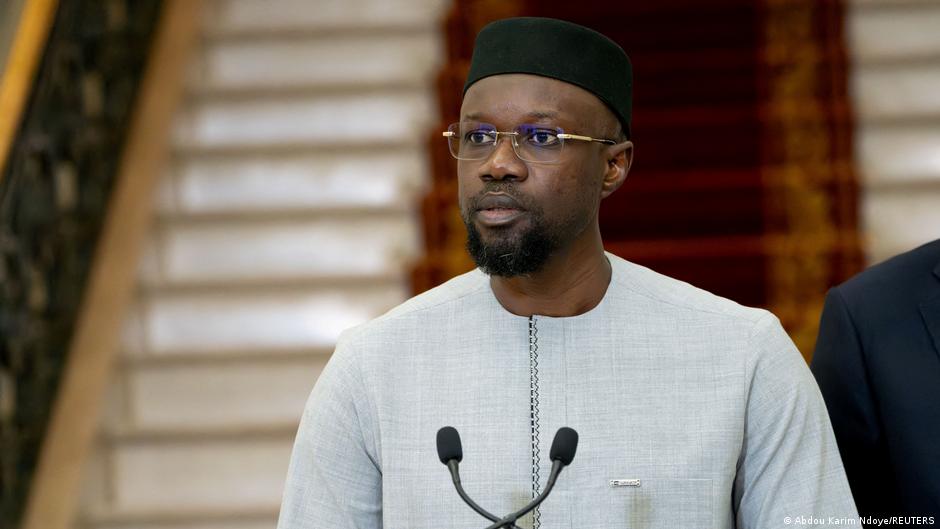
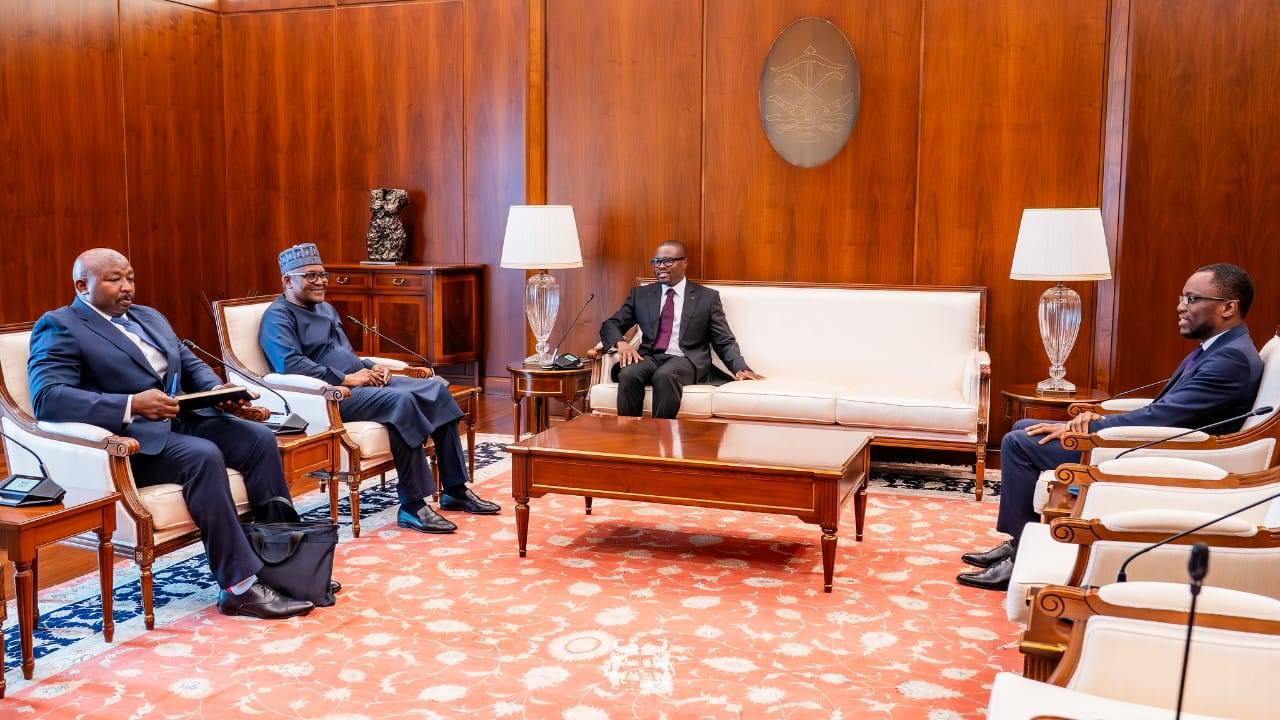
In a decisive week-long diplomatic initiative, President Romuald Wadagni of Bénin embarked on his inaugural official visit beyond national borders, targeting Abuja, Niamey, and Ouagadougou. The primary objective was clear: to mend the fractured threads of sub-regional cooperation, severely strained by escalating security crises and political tensions that have plagued West Africa since 2023. This tour marks a significant step in Bénin’s efforts to stabilize the region.
Security cooperation and cross-border commerce stood at the forefront of President Wadagni’s discussions. His journey aimed to re-establish direct dialogue with leaders in Nigeria, Niger, and Burkina Faso. In Abuja, the focus encompassed both economic vitality and regional security. Nigeria, Bénin’s largest trading partner and a crucial player in combating armed groups within the Lake Chad basin, was central to talks. President Wadagni underscored the urgent need to streamline the Lagos-Cotonou corridor, as its persistent blockages detrimentally impact both nations’ economies. This part of the mission is vital for West Africa Niger relations.
During his stops in Niamey and Ouagadougou, the message shifted to enhancing transborder coordination. The increasing jihadist incursions into Bénin’s Atacora and Alibori regions highlight the impossibility of an isolated Béninese response. Concrete points of discussion included resuming intelligence sharing and the partial reinstatement of commercial exchanges. This is critical for Niger security and addressing the broader Niger politics in the region.
President Wadagni’s approach emphasized practical solutions to shared challenges rather than focusing on political alliances. This stance represents a clear departure from previous diplomatic engagements, which frequently saw relations contingent upon positions regarding ECOWAS and ongoing military transitions. This new direction seeks to foster genuine cooperation.
Navigating the complexities of variable cooperation
This diplomatic gamble carries inherent risks. The three nations visited exhibit differing statuses concerning regional institutions. Nigeria maintains its active membership within ECOWAS, while both Niger and Burkina Faso have withdrawn, subsequently forming the Alliance of Sahel States (AES). This divergence presents a unique challenge for Bénin’s regional strategy, especially concerning Niger news English updates.
Bridging these disparate blocs without assuming an official mediating role necessitates Bénin adopting a dual strategy. On one hand, it must preserve its credibility with ECOWAS and its Western partners. On the other, it is crucial to avoid isolating neighboring states, particularly Niger, with whom Bénin shares a substantial 700 km border and experiences daily human exchanges. This delicate balance is vital for regional stability.
The second, equally pressing challenge remains security. Any bilateral agreement will prove ineffective unless joint patrol units receive adequate logistical support and operate within a clear legal framework. Border communities, especially those near Niger, are primarily awaiting the reopening of local markets and the enhanced security of rural transportation routes. This directly impacts Niger security efforts.
A pragmatic Bénin-Sahel axis: future outlook
President Wadagni appears to be championing a project-oriented diplomacy. Instead of attempting to resolve deep-seated political differences immediately, he prioritizes technical agreements concerning vital resources like water, energy, and facilitating transborder mobility. The underlying strategy is to forge tangible, shared interests that would make disengagement economically disadvantageous for all involved parties, including Niger.
Should this innovative approach yield demonstrable results by the close of 2027, Bénin could reclaim a pivotal role as a regional facilitator. Conversely, the risk remains that diplomatic efforts might dissipate into unproductive negotiations, failing to impact the ground reality as insecurity continues its relentless advance, a concern echoed in many Niger Report analyses.
The immediate litmus test for this pragmatic strategy will be the effective implementation of commitments made in Niamey and Ouagadougou regarding the security of the Northern corridor. Without tangible progress before the year’s end, the discourse of pragmatism risks losing its credibility, especially given the current Niamey news today and regional dynamics.