Niger sets conditions for reopening border with Benin
Niamey has laid out a series of prerequisites for the reopening of its border with Benin, which has been closed for nearly three years. The Nigerien government insists on the signing of both a defense pact and a security agreement to prevent either nation from using the other’s territory as a launching point for hostile actions.
Additionally, Niamey is calling for enhanced intelligence-sharing mechanisms between the two countries. The proposed agreements would also mandate full transparency regarding any foreign military deployments near the shared border along the Niger River.

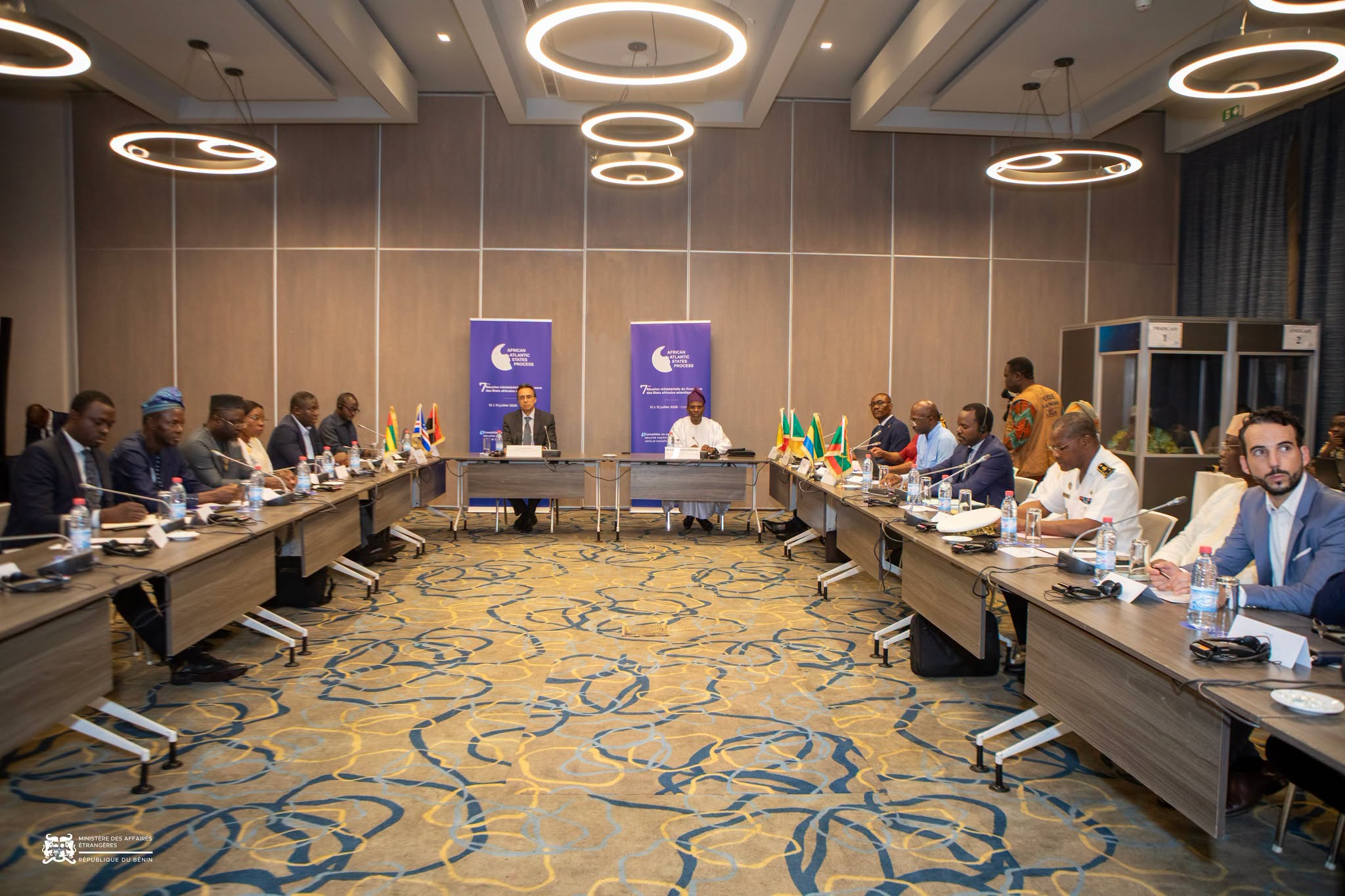
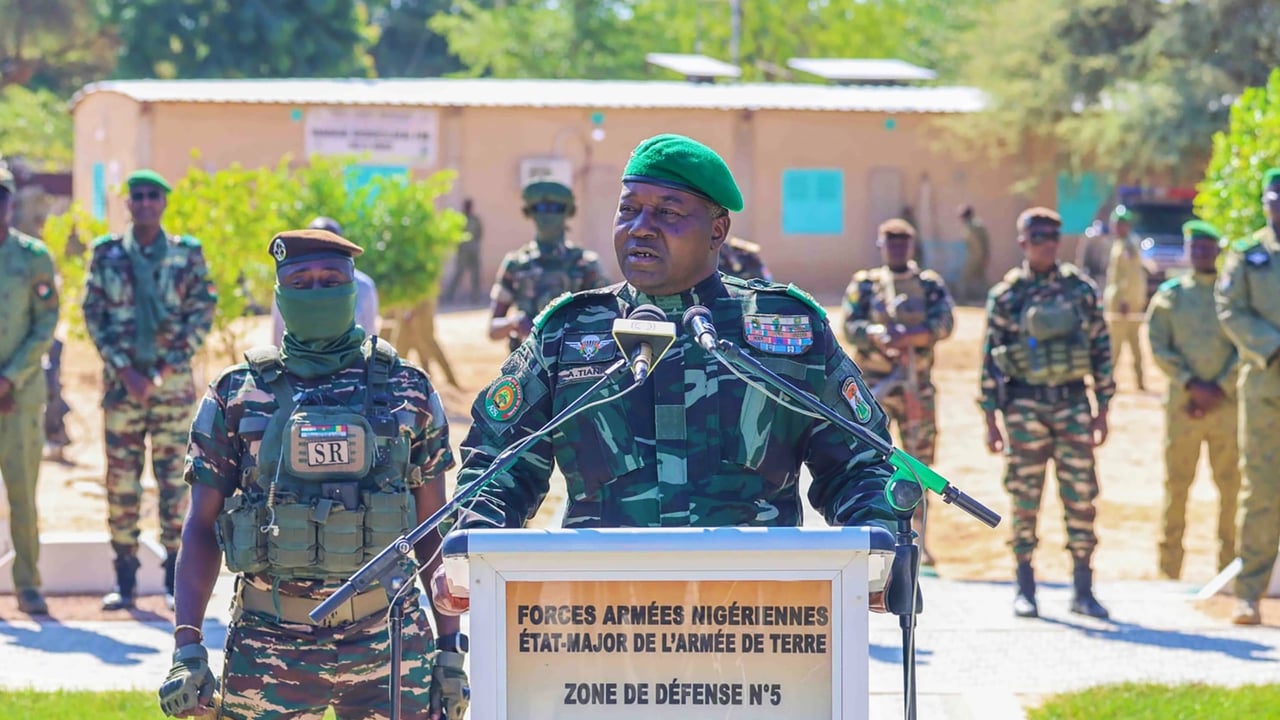
The Nigerien Interior Minister, General Mohamed Toumba, held talks in Cotonou on June 20 with the joint expert committee tasked with finalizing the border reopening protocols.
He outlined two non-negotiable conditions for the border’s reopening: the formalization of a defense treaty and a security accord that explicitly prohibits the use of one nation’s territory against the other.
General Toumba also emphasized the need for unrestricted disclosure of all foreign military assets deployed near the shared border, as delineated by the Niger River. These remarks were broadcast on national television, Télé Sahel.
Over recent years, Niger has repeatedly accused Benin of hosting French military installations near the frontier—a claim both Cotonou and Paris have consistently denied.
The border closure, now entering its third year, was imposed shortly after a military-led government took power in Niamey in July 2023. At the time, Niger accused Benin of collaborating with external powers, including France, to destabilize its regime.
Thaw in bilateral tensions
The visit of Benin’s newly elected President, Romuald Wadagni, to Niamey in early June marked a significant shift in the previously strained relations between the two countries. Both nations now face persistent jihadist threats from groups affiliated with Al-Qaïda and the Islamic State.
The Nigerien Interior Minister, a key figure within the ruling junta, also proposed the establishment of a bilateral intelligence fusion center to coordinate counter-terrorism efforts. “These armed forces must unite against an enemy that disregards borders,” he stated.