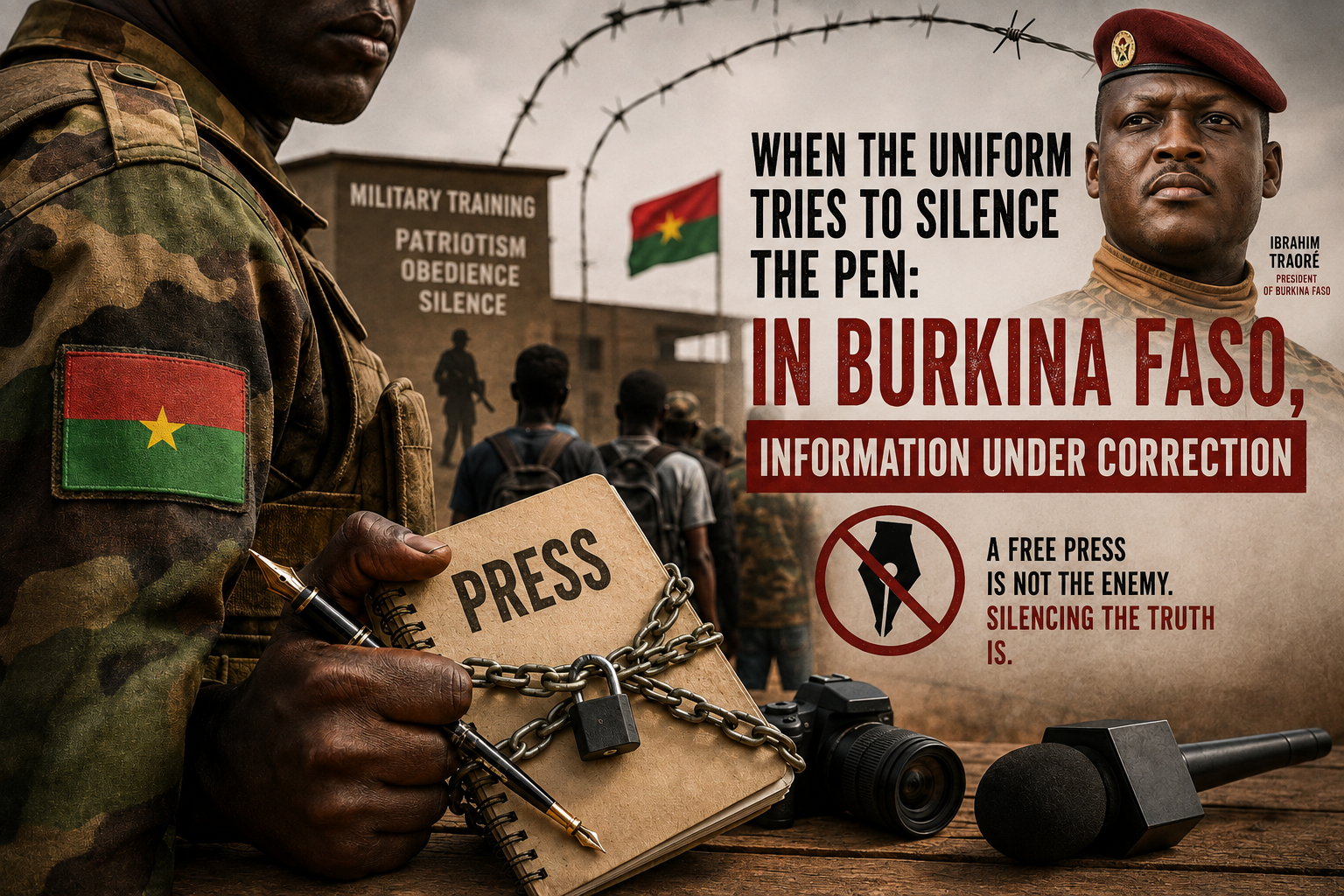
The ascension of Captain Ibrahim Traoré has positioned him as a prominent figure in Africa’s sovereignist movement. Through aggressive public relations campaigns and a strong presence on digital platforms, the Burkinabè authorities are vigorously promoting the narrative of an imminent economic recovery.
Narratives of recovery versus economic realities
This optimistic discourse is amplified by influential panafricanist voices and online activists, including Nathalie Yamb, Franklin Nyamsi, and Kemi Seba. These figures frequently portray Burkina Faso as a pioneer of an alternative development model, one that breaks away from historical foreign dependencies. Yet, a growing number of analysts, economists, and independent observers question the substance behind these official claims.
While pro-government commentators cite accelerated industrialization, revitalized national production, expanded processing units, and claims of renewed economic sovereignty as evidence of progress, skeptics argue that many of these initiatives were already underway prior to the current transition. Others remain mere announcements without verifiable outcomes or reliable documentation.
Security and social challenges overshadow economic claims
Despite the emphasis on economic revival, Burkina Faso continues to grapple with deep-rooted challenges. Persistent security threats, humanitarian crises, and deep social inequalities persist across the country, raising questions about the feasibility of such ambitious economic projects amid ongoing instability.
Revenue contributions and accountability concerns
In line with the government’s patriotic mobilization drive, a 1% levy on the incomes of certain workers and additional voluntary contributions have been introduced to fund national priorities. Supporters of the regime view these measures as acts of national solidarity in exceptional circumstances. However, labor unions, civil society organizations, and independent analysts are calling for greater transparency regarding the collection and allocation of these funds.
They demand detailed public reporting and independent audits to ensure traceability, accountability, and public trust. Without such measures, skepticism persists regarding how these resources are managed and whether they deliver tangible benefits to citizens.
Disputed financial narratives and external partnerships
Critics also challenge the accuracy of certain economic claims disseminated through official channels and social media. Notably, assertions that Burkina Faso has voluntarily relinquished over one billion dollars in foreign aid in the name of sovereignty are contested. These detractors argue that such statements distort the actual state of international cooperation, which continues to play a significant role in the country’s development.
For instance, Japan has maintained development cooperation with Ouagadougou, funding multiple programs valued at several billion CFA francs. These ongoing partnerships contradict the narrative of a complete break from international donors that some supporters promote. To skeptics, such inconsistencies underscore the gap between rhetoric and reality in economic policy.
Rethinking the narrative of an economic miracle
This scrutiny raises broader questions about the construction of Burkina Faso’s economic narrative. While the government and its digital allies present a vision of transformation, independent observers caution against conflating political communication with measurable progress. The persistence of economic, social, and security challenges suggests that the proclaimed ‘economic miracle’ remains more aspirational than actual.
Ultimately, the debate extends beyond Burkina Faso, prompting a wider reflection on the boundaries between political messaging, ideological mobilization, and evidence-based public policy assessment.