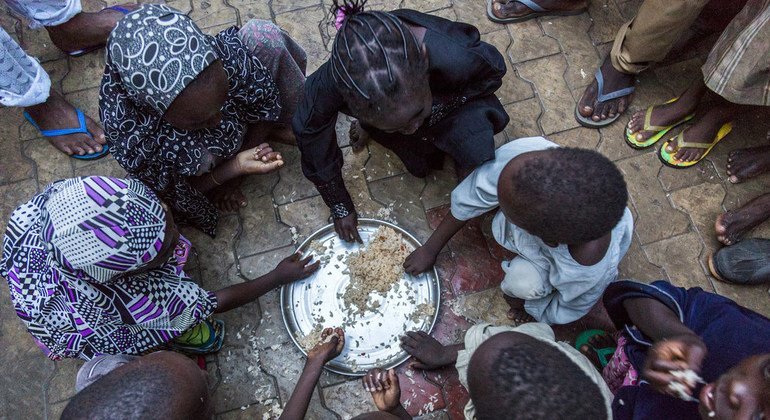
The escalating violence and drastic budget cuts across West and Central Africa are pushing millions into a severe food emergency. The World Food Programme (WFP) warns that 55 million people, including over 13 million children, face life-threatening hunger this summer, with famine risks peaking in several regions.
In its latest Niger Report, the WFP highlights an urgent need for $453 million in funding over the next six months to prevent a humanitarian catastrophe. A recent analysis reveals that more than three million people will experience emergency-level food insecurity (IPC Phase 4) this year—a figure more than double the 1.5 million affected in 2020.
Four countries—Nigeria, Chad, Cameroon, and Niger—account for 77% of food insecurity cases, including 15,000 people in Nigeria’s Borno State facing catastrophic famine (IPC Phase 5), a scenario unseen in nearly a decade.
« Funding reductions in 2025 have deepened hunger and malnutrition across the region, » stated Sarah Longford, WFP’s Deputy Regional Director for West and Central Africa. « With needs far outpacing resources, the desperation among youth is growing, pushing communities to the brink. »
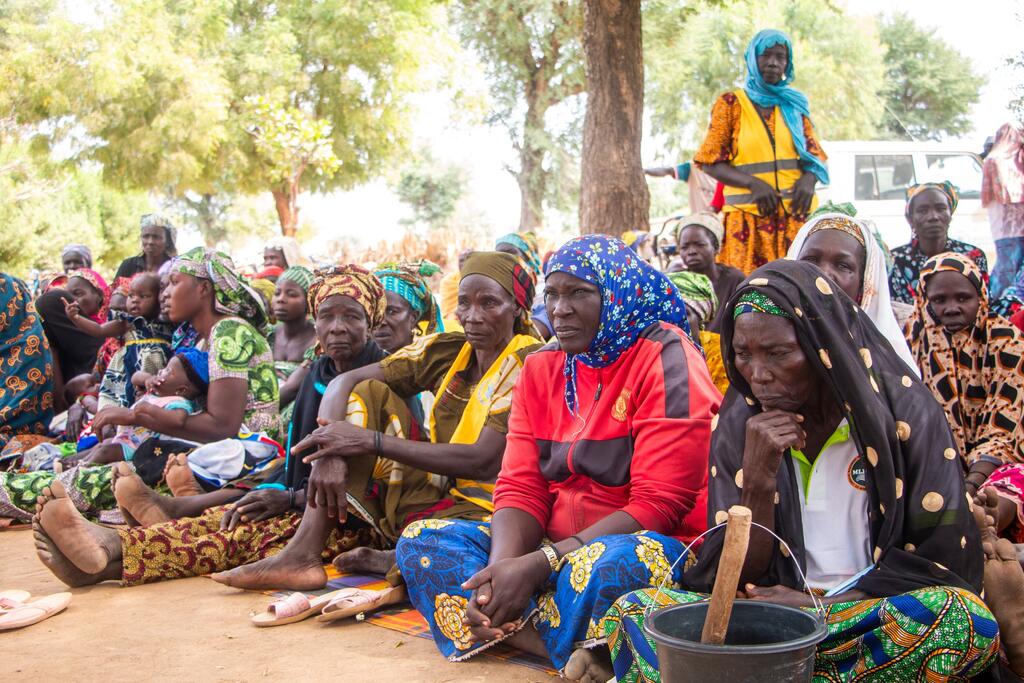
Mali, Nigeria, and Cameroon: a worsening hunger crisis
A toxic blend of rising conflicts, mass displacement, and economic instability has pushed food insecurity to critical levels. In Mali, reduced food rations have spiked acute famine by 64% in some areas, while regions receiving full rations saw a 34% drop in hunger. Persistent insecurity disrupts supply chains, leaving 1.5 million Malians vulnerable to food crises.
In Nigeria, WFP’s 2025 funding shortfall forced cuts to nutrition programs, impacting over 300,000 children. Malnutrition has escalated from « severe » to « critical » in northern states, with only 72,000 people set to receive aid in February—down from 1.3 million a year ago.
In Cameroon, half a million vulnerable people risk losing access to vital aid if emergency funding isn’t secured soon.
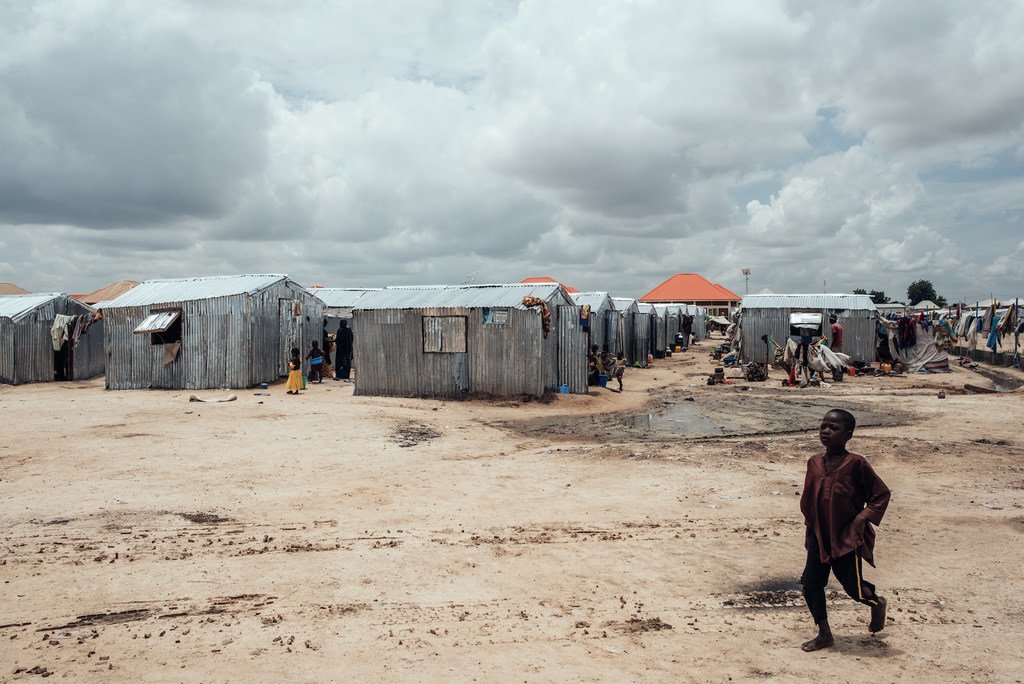
13 million children at risk of starvation
Speaking from Rome, Jean Martin Bauer, WFP’s Food Security and Nutrition Analysis Director, emphasized that 13 million children in the region are at risk this year. He stressed that nutrition programs, which prevent and treat malnutrition, must be an absolute priority.
« IPC Phase 5 affects 15,000 people in Nigeria’s northeast and parts of Borno State, » Bauer explained. « This classification means immediate mortality risks—people are starving to death. We must ensure aid reaches the most vulnerable, including those who are otherwise healthy but pushed to the edge. »
Urgent call for $453 million in emergency funding
These repeated food crises underscore the need for a more proactive approach to prevent vulnerable populations from facing famine annually. To « break the cycle of hunger » for future generations, WFP advocates for a 2026 paradigm shift: governments and partners must boost investments in preparedness, early action, and resilience-building to empower communities.
« Supporting crisis-stricken communities is essential to prevent hunger from fueling further instability, displacement, and conflict, » Longford warned.
Proven solutions exist—but funding is lacking
For years, WFP has addressed root causes of acute food insecurity in West Africa through resilience programs, school feeding initiatives, community infrastructure, and social protection systems. These efforts have yielded tangible results: over 300,000 hectares of degraded land reclaimed since 2018, transforming barren landscapes into arable farmland and protecting four million people from climate shocks.
« Solutions exist, » Bauer noted. « The challenge is funding—they’re not being financed at the scale required. »