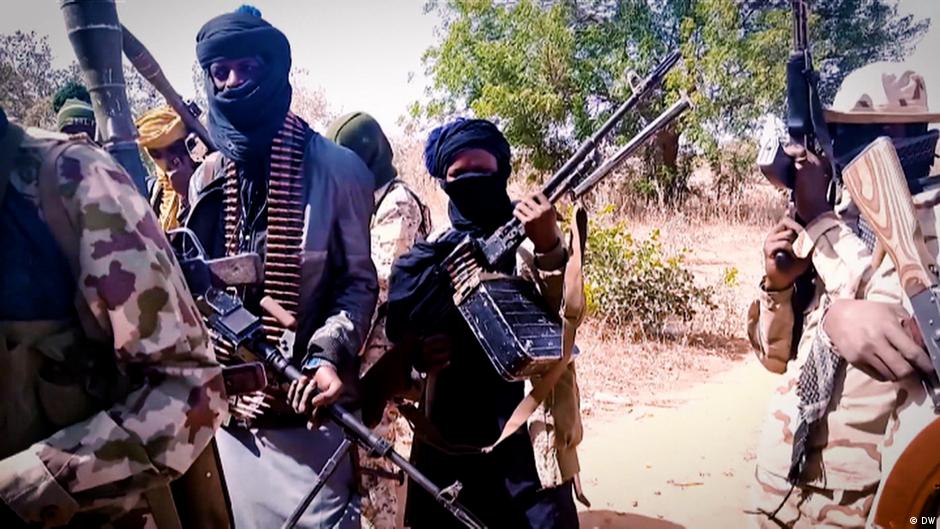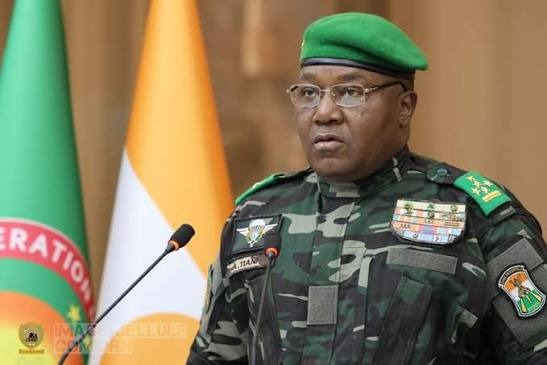
The Niamey leadership has irrevocably crossed a critical threshold of political cynicism. While the National Council for the Safeguard of the Homeland (CNSP) built its entire narrative on the concept of “regained sovereignty,” the dramatic events unfolding during the night of August 28-29 in Niamey ripped away General Abdourahamane Tiani’s façade. To cling to power amidst a mutiny by soldiers from Base 101, the regime unhesitatingly deployed foreign paramilitary forces to neutralize and eliminate its own Nigerien comrades-in-arms.
This choice to engage external mercenaries to spill the blood of its very own military transcends mere strategic ineptitude; in any constitutional state, employing foreign power to bear arms against one’s own troops is unequivocally an act of high treason.
The fallacy of sovereignist rhetoric
Since July 2023, the military junta consistently championed a singular message: expelling traditional partners in the name of national dignity, rejecting external interference, and empowering the Nigerien armed forces. Yet, the stark reality of that night of chaos presents a diametrically opposed conclusion.
By summoning foreign contingents as reinforcements to suppress angry Nigerien soldiers within their own capital, General Tiani has unveiled a profound and painful contradiction:
- Sovereignty undermined: True sovereignty does not involve swapping one form of oversight for mercenaries. When a head of state requires foreign troops to safeguard himself from his own populace and military, his authority ceases to be sovereign, transforming instead into a power of proxy occupation.
- National security subcontracted: The regime has bartered the independence of its command chain for absolute security dependence on external interests. Rank-and-file soldiers now observe with bitter resignation as foreign forces become the true arbiters of political life in Niamey.
When the Nigerien army becomes the target of its own government
How can a regime, which originated from within the military barracks, resort to firing upon its own forces? The answer lies in the inherent paranoia characteristic of exceptional regimes. Having lost the trust of garrisons, exhausted by three years of an unending transition and the continuous erosion of the security situation, the junta ultimately began to perceive every Nigerien soldier as a potential adversary.
By deploying mercenaries to quell revolting Nigerien soldiers, General Tiani has irrevocably shattered the fundamental pact of trust between the commander-in-chief and his troops:
- A crime against the institution: Allowing foreign actors to shed the blood of national soldiers on the homeland’s soil devastates military cohesion and plunges the armed forces into an unprecedented identity crisis.
- The breakdown of military legitimacy: The argument of “national recovery” completely collapses. The regime is no longer combating terrorism at the borders; it is now fighting the Nigerien army at the very heart of the capital.
The verdict of history
By actively collaborating with an external power against his own comrades-in-arms, General Tiani has ensnared himself. The narrative of the “patriotic general” has been utterly dissolved amidst the gunfire heard in Niamey.
The leadership in Niamey now confronts the grim reality faced by regimes under foreign influence: when one barters away national sovereignty to preserve personal power, one simultaneously forfeits authority, the respect of the barracks, and the nation’s honor. History will record that those who purported to liberate Niger are precisely the ones who caused the blood of its soldiers to be shed by foreign hands.