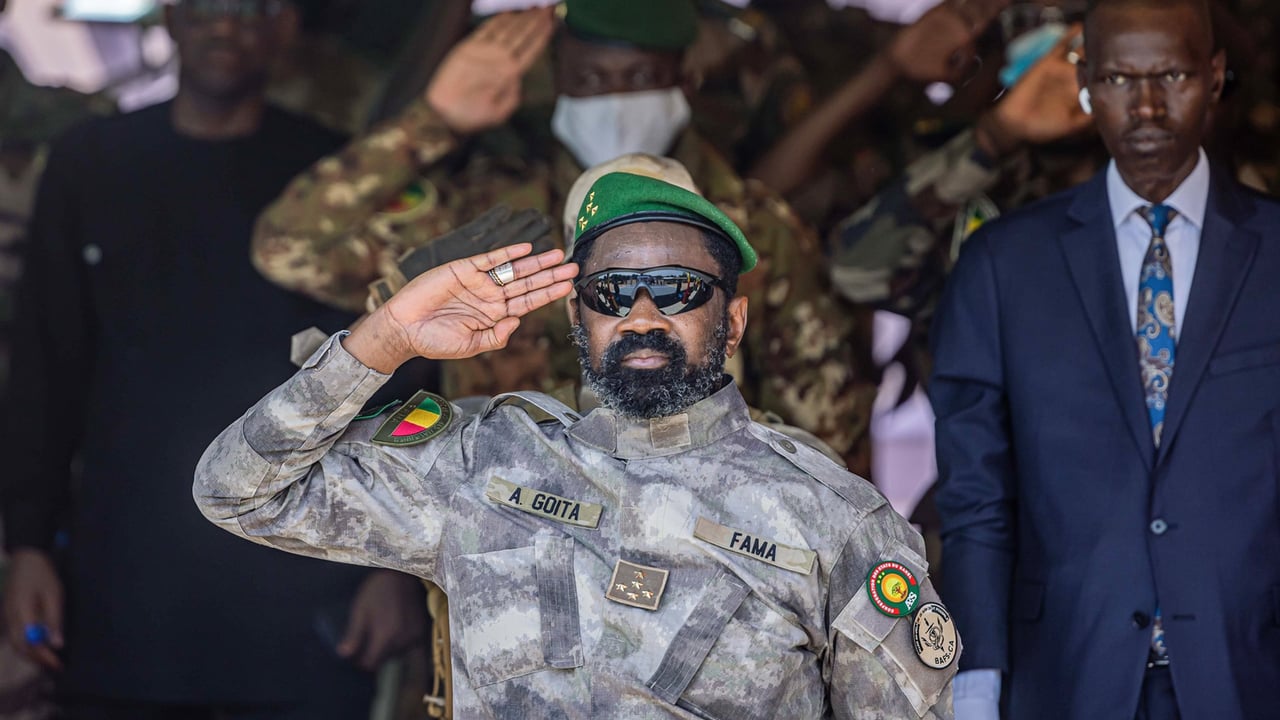

As Mali navigates a complex period, Colonel Assimi Goïta has emerged as a pivotal figure, leading a nation grappling with persistent instability. His leadership is defined by the immense challenges facing the West African state, particularly in the realm of security and governance.
Mali’s fragility is underscored by the continued presence and activities of militant groups, notably the Groupe de soutien à l’islam et aux musulmans (Jnim). Addressing these threats remains a top priority for Goïta’s administration, as the country strives to restore peace and order across its vast territory.
The current political landscape in Mali is a direct result of a series of transitions, following the tenures of previous leaders such as Ibrahim Boubacar Keïta and Bah N’Daw. Assimi Goïta’s ascent to power has placed him at the forefront of efforts to chart a new course for Mali, aiming for stability and national cohesion amidst internal and external pressures.
His commitment to national security was recently highlighted during the solemn occasion of the funeral for Sadio Camara, his Minister of Defense, held in Bamako on April 30, 2026. Such events underscore the profound responsibilities and the somber realities that define Assimi Goïta’s leadership as he endeavors to steer Mali towards a more secure future.