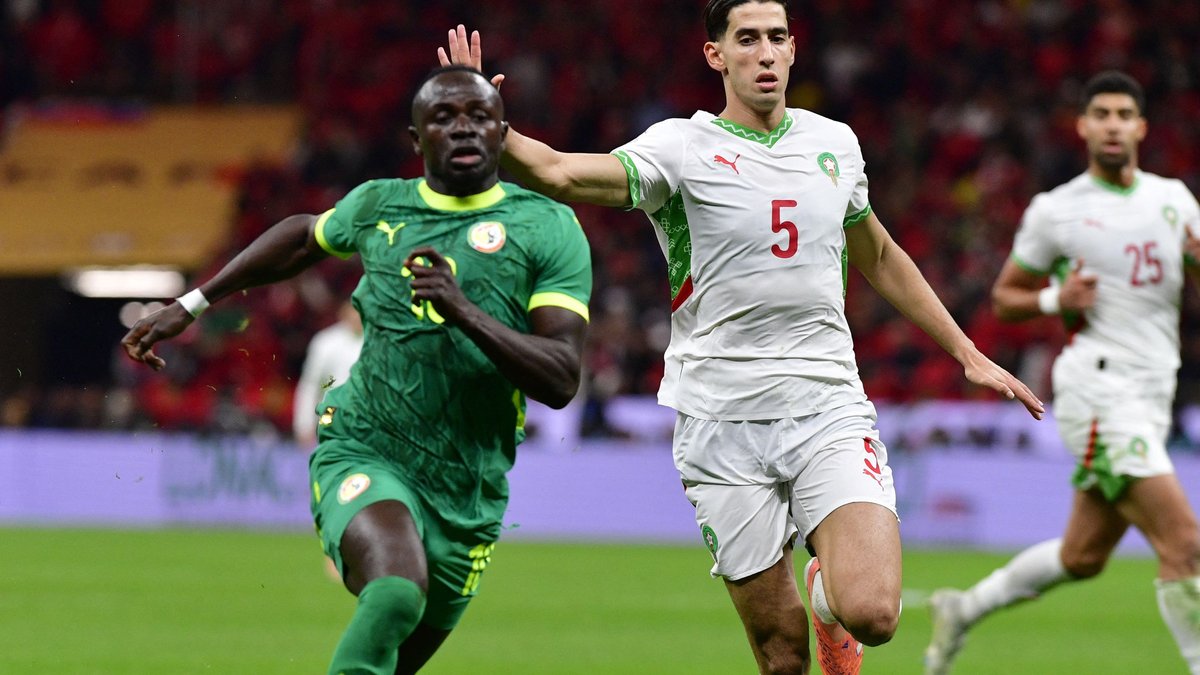
In a stunning reversal of the tournament results, the Confederation of African Football (CAF) has officially stripped Sénégal of its 2026 Africa Cup of Nations title, awarding the championship to Maroc instead. This decision comes two months after the chaotic final held on January 18, 2026, and has sent shockwaves through the world of West Africa sports.
Senegal federation to challenge “unjust” decision
The CAF Appeal Jury issued a statement on March 17, 2026, declaring Sénégal to have forfeited the final match. Although the Lions of Teranga originally secured a 1-0 victory in extra time, the result has been administratively overturned to a 3-0 win for Maroc. The Senegalese Football Federation has vehemently denounced the ruling as “iniquitous and unacceptable,” claiming it brings discredit to African football. They have confirmed an immediate appeal will be filed with the Court of Arbitration for Sport (CAS) in Lausanne, Switzerland.
Social media backlash and player defiance
The ruling has ignited a massive reaction online. Sénégal defender Moussa Niakhaté, who plays for Olympique Lyonnais, took to Instagram to post a defiant image of himself holding the trophy and wearing his medal, with a caption telling authorities to “come and get them.” Many of his teammates shared similar posts in a show of collective resistance against the CAF decision.
The controversy dates back to the final in Rabat, where the match was halted for 15 minutes. Sénégal players temporarily left the pitch to protest an officiating decision after a goal was disallowed and a penalty was awarded to Maroc in the closing moments of regulation time. During this period of confusion, fans in the stands threw projectiles and attempted to invade the pitch. While Moroccan winger Brahim Diaz eventually missed the penalty and Pape Gueye scored the winner for Sénégal in extra time, the initial walkout proved costly.
Legal precedents and regulatory enforcement
CAF justified its ruling by applying Articles 82 and 84 of the CAN regulations. These rules specify that if a team refuses to play or abandons the pitch before the end of regulation time, they are deemed the losers and eliminated from the competition. The Moroccan Football Federation stated that their appeal was not intended to diminish the on-field performance of their rivals but was a necessary step to ensure the competition’s regulations were strictly followed.
Sources within the Moroccan federation pointed to a 2019 precedent in the CAF Champions League, where Espérance de Tunis was declared the winner after Wydad Casablanca players left the field during the final. Beyond the title dispute, both national federations have already been hit with significant fines for unsporting conduct. Meanwhile, the legal situation for 18 Senegalese fans imprisoned for “hooliganism” remains unresolved, with their appeal hearing postponed until March 30. This ongoing saga remains a focal point for those following West Africa football and Niger news English reports on regional sports politics.