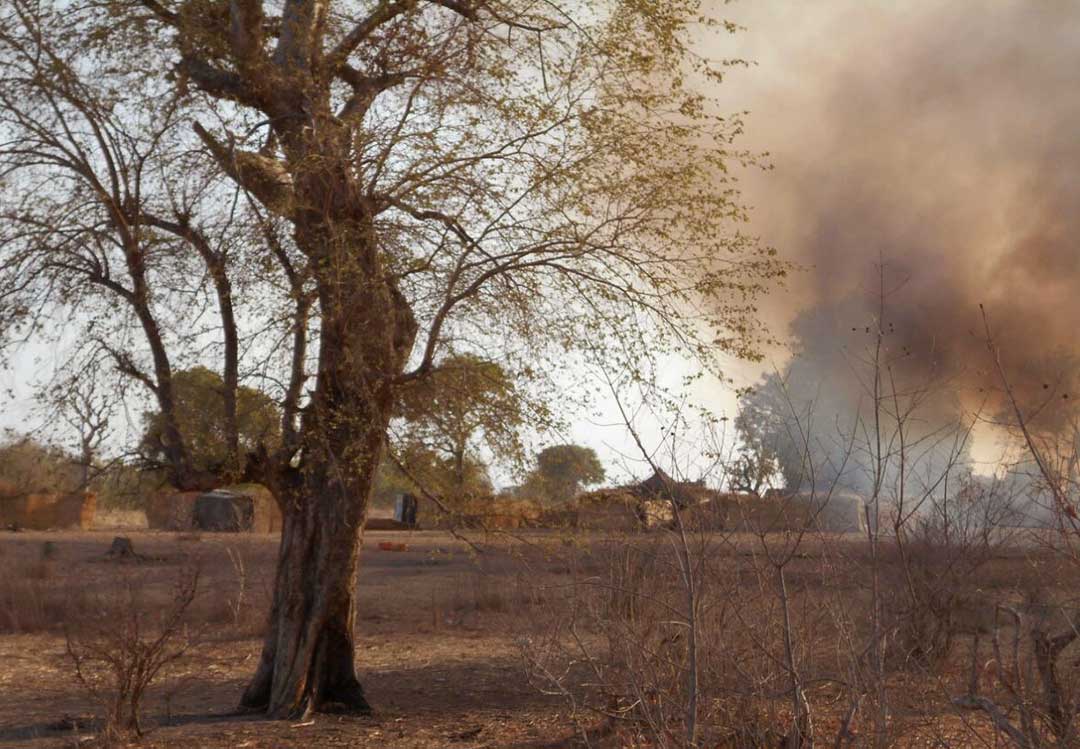
The Sambisa Forest, a vast expanse stretching over 60,000 square kilometers in Northeast Nigeria, once thrived as a natural reserve, a popular destination for tourists. Today, however, most of its wildlife has vanished, replaced by two warring militant groups and the soldiers relentlessly pursuing them.
Since 2016, following the split of Boko Haram into two distinct factions, the Jama’atu Ahlis Sunna Lidda’awati Wal-Jihad (JAS) and the Islamic State West Africa Province (ISWAP) have been locked in a fierce struggle for dominance over this critical forest. Recent intelligence indicates a significant escalation in these clashes.
Sambisa’s immense size and dense, protective canopy make it an exceptionally desirable strategic location. It offers ideal hideouts, serves as a launchpad for attacks, and provides crucial control over trafficking routes.
Malik Samuel, a senior researcher with Good Governance Africa, noted that for JAS, the conflict initially began as a fight for survival. Despite their internal rivalry, both factions have shown remarkable resilience, maintaining their capacity to engage state forces, including the Nigerian army and the Multinational Joint Task Force.
Security analyst Zagazola Makama, based in Borno, has reported numerous battles occurring within and around the Sambisa Forest. Both belligerent parties claim to have inflicted heavy casualties on the other.
While these claims remain unverified, they vividly illustrate the intense rivalry between the two groups. This internal conflict has evolved into a parallel struggle alongside their broader insurgency against state forces.
The Boko Haram insurgency, which began in 2009, has tragically spread across West Africa, impacting neighboring countries such as Cameroon, Niger, and Chad. This protracted conflict has led to the deaths of over 40,000 civilians and displaced more than 2 million people.
JAS is widely recognized for its kidnappings, looting, and deadly assaults. In contrast, ISWAP focuses on seizing and holding territory, levying taxes, and attempting to establish an alternative local governance structure, despite demonstrating a brutal disregard for human life. Both Sambisa Forest and the islands of Lake Chad have long served as vital strategic strongholds for these factions.
- By Élise Ntamag — Regional policy