
Mali’s deepening fuel crisis: a severe blow to humanitarian operations
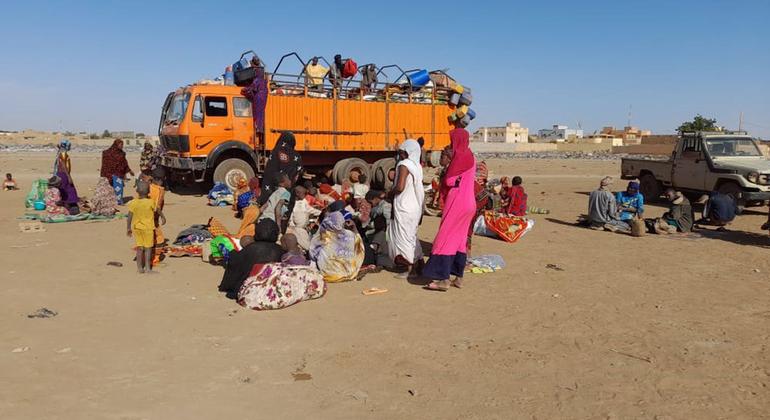
An acute fuel scarcity, triggered by a jihadist blockade on crucial transportation routes, is intensifying Mali’s humanitarian crisis. This escalating situation is severely disrupting the daily lives of residents and paralyzing United Nations operations in a nation already grappling with widespread hunger and pervasive insecurity.
According to the United Nations Office for the Coordination of Humanitarian Affairs (OCHA), the severe challenges in fuel supply have considerably slowed aid interventions across multiple central and southern regions of the country, particularly around Ségou, San, Koutiala, Mopti, and Bandiagara. These key areas serve as vital links between the capital, Bamako, and the volatile northern parts of Mali.
Numerous humanitarian partners have been compelled to scale back their field missions, restricting mobile clinics to approximately a ten-kilometer radius from their operational bases. Incidents of movement restrictions, armed robberies, and arbitrary checkpoints have led to the temporary suspension of certain crucial operations.
Since September, the Group for the Support of Islam and Muslims (GSIM), an Al-Qaeda affiliate, has specifically targeted fuel imports originating from Senegal and Côte d’Ivoire. These routes are essential for the majority of imported goods entering this landlocked West African nation. The blockade now impacts Bamako and most other regions, plunging communities into a dual energy and food crisis.
léré isolated
In the Timbuktu region, located in the northwest, the town of Léré, situated near the Mauritanian border, has been under restricted access imposed by armed groups since October 27.
“This new measure has prompted population displacements towards safer locations,” stated OCHA in a report on humanitarian access in Mali for October, further noting that “apart from humanitarian actors already present in the town […], no other humanitarian actor or organization has access to the locality.”
The report documented approximately fifty access incidents nationwide, marking a 13% increase compared to September. Explosive devices remain the primary threat, accounting for 28 reported cases. Three direct assaults against humanitarian workers were recorded, and nine kidnappings occurred, predominantly in the central Ségou and northern Gao regions.
In Douentza, two aid workers tragically lost their lives when a pinasse capsized on the Niger River, near the village of Kagnimé. “Such acts of violence jeopardize staff safety and impede operations on the ground,” emphasized the OCHA report, adding that “the environment remains largely unpredictable” and “logistical constraints, particularly those related to fuel and other physical barriers, exacerbate the challenges of reaching populations in dire need.”
a climate of repression
This crisis unfolds amidst an increasingly repressive political environment. Since the junta seized power in 2020, General Assimi Goïta has solidified his control over state institutions, indefinitely postponing presidential elections and dissolving all political parties in May 2025. In July, a new law granted him the authority to extend his mandate “as many times as necessary, until the country is pacified.”
Volker Türk, the UN’s human rights chief, has since condemned the “closing of the door to any democratic elections in Mali for the foreseeable future” and the “instrumentalization of the law against expressions of dissent.” Arrests of opposition figures and ordinary citizens have surged, exemplified by the detention of former Prime Minister Moussa Mara in August, who was subsequently sentenced to prison for “undermining state credibility.”
This political trajectory coincides with a resurgence of armed violence. Attacks by the jihadist groups GSIM and the local branch of Daech continue to plague the central and northern regions of the country, especially along the borders with Burkina Faso and Niger. Since April, Volker Türk’s office has reported “hundreds of extrajudicial executions, arbitrary arrests and detentions, forced disappearances, and other kidnappings perpetrated by all parties to the conflict.”
Compounding this is the severe humanitarian crisis in a country where 6.4 million people require assistance, including 3.5 million children, according to OCHA. Mali is home to over 400,000 internally displaced persons and 335,000 refugees in neighboring nations. A UN report on global food insecurity, published on Wednesday, lists Mali among the planet’s six most critical food crises, alongside Haiti, Palestine, South Sudan, Sudan, and Yemen. The situation continues to deteriorate at an alarming rate in several already vulnerable areas, partly due to the disengagement of the international community.
influx of burkinabé refugees
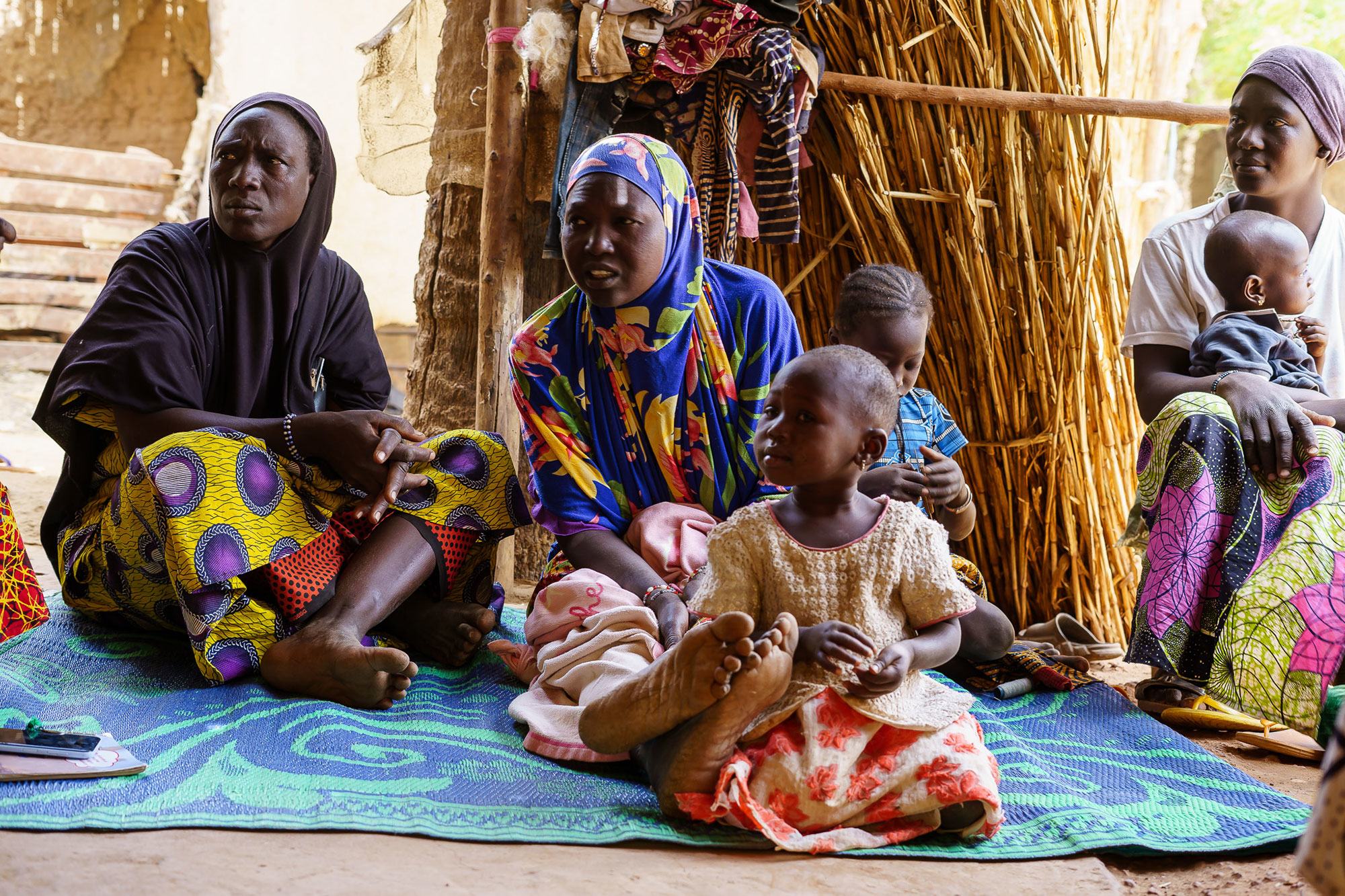
In the Koro circle, bordering Burkina Faso, a massive influx of refugees is further intensifying the strain. Since April, nearly 50,000 Burkinabés have settled there, effectively doubling the existing refugee population.
The United Nations High Commissioner for Refugees (UNHCR) reports that this surge is severely testing local reception capacities. To address this, the agency established a field office in Koro, operational since October 16, aiming to enhance coordination and accelerate the humanitarian response.
Mali currently hosts over 150,000 Burkinabé and Nigerien refugees, all fleeing both jihadist assaults and military operations targeting armed groups.
You may also like
-
The political eclipse of edgar alain mebe ngo’o in Cameroon
-
Senegal launches first green bond for food self-sufficiency and energy transition
-
Codes pastef alliance aims to safeguard Senegal’s transformative agenda
-
17 billion FCFA financing deal to boost Ivorian SMEs and startups
-
Us military strikes planned for Mali amid growing terror threats