unexpected russian withdrawal in malian conflict zone
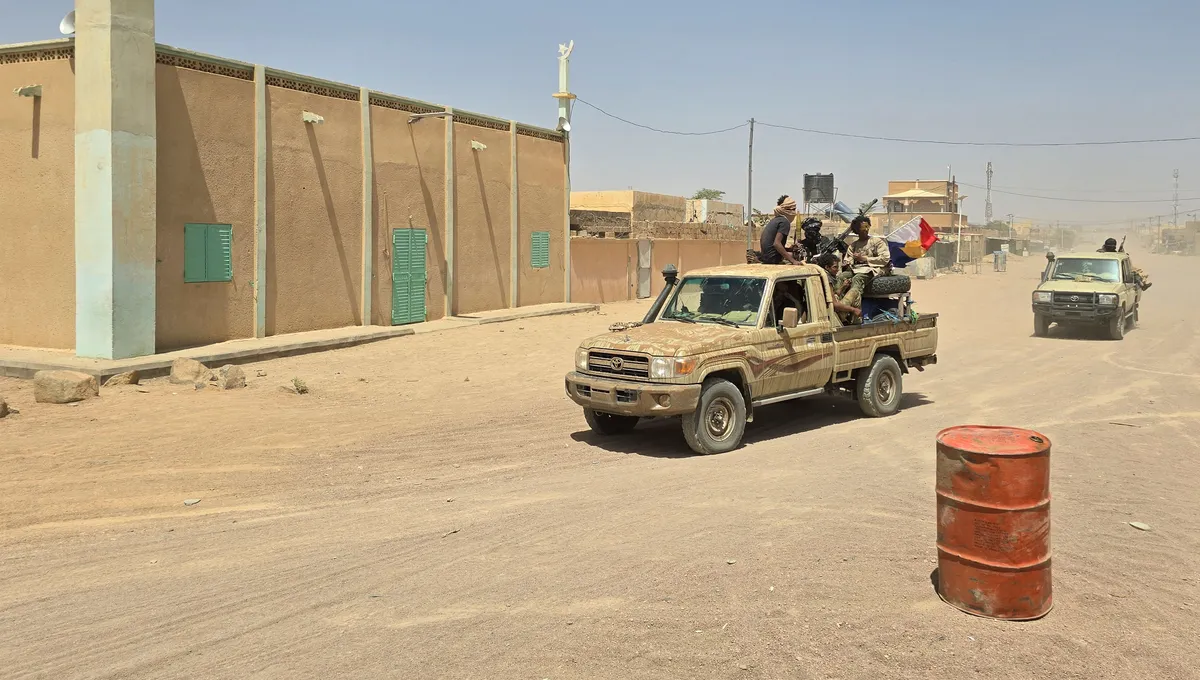
Striking footage emerged this week showing a convoy of Russian military vehicles departing Kidal, a strategic city in northern Mali, without firing a single shot. The sudden retreat followed coordinated attacks by Tuareg rebels allied with jihadist groups across multiple Malian cities, including the capital Bamako.
This passive withdrawal marked a sharp contrast to the active Russian support that had previously helped Malian forces reclaim Kidal in 2023 after an 11-year insurgency. The city’s loss represents a significant blow to the military junta led by Colonel Assimi Goïta, which had positioned the Russian presence as a replacement for former French allies.
military junta faces unprecedented security challenges
The Malian regime has suffered devastating setbacks in recent days. On Saturday, the powerful Defense Minister was killed in an attack on his residence, while simultaneous assaults across several regions went undetected. Reports indicate rebel groups have expanded their territorial control, raising serious concerns about the country’s stability.
The Group for the Support of Islam and Muslims (GSIM), an al-Qaeda affiliate, claimed responsibility for the coordinated attacks. Their statement notably requested that Russian forces refrain from intervention to preserve potential future cooperation, a request that appears to have been honored by Moscow’s troops.
russian strategy in Mali shows signs of failure
The Africa Corps, which replaced the Wagner Group, has maintained 2,500 personnel in Mali since the 2022 French departure. However, their inaction during this latest crisis represents a major disappointment for Malian military leaders who sought Russian assistance after severing ties with former colonial power France.
The situation underscores growing regional instability, with GSIM’s influence extending beyond Malian borders. Niger and Burkina Faso, fellow members of the Alliance of Sahel States, now face heightened threats of similar attacks should Bamako‘s regime fall.
decade of instability culminates in current crisis
Since France’s 2014 intervention prevented jihadist forces from reaching Bamako, the initial counteroffensive successfully reclaimed northern territories. However, subsequent failures to consolidate these gains led to widespread frustration, culminating in military coups and the expulsion of French forces.
Four years after replacing Western allies with Russian support, the Malian junta now confronts what may prove to be its most severe security crisis yet. The population bears the brunt of this prolonged instability, caught between military rule and expanding rebel control.
regional implications of malian security collapse
Analysts warn of a potential domino effect should Malian authorities lose control. Tuareg separatists in the north and various jihadist factions already dominate substantial territories. The GSIM’s regional ambitions pose direct threats to coastal West African nations already experiencing jihadist incursions.
The current crisis represents the latest chapter in a decade-long struggle for Mali‘s future, with no resolution in sight for a population increasingly desperate for stability.