Army-backed forces linked to deadly attacks in central Mali
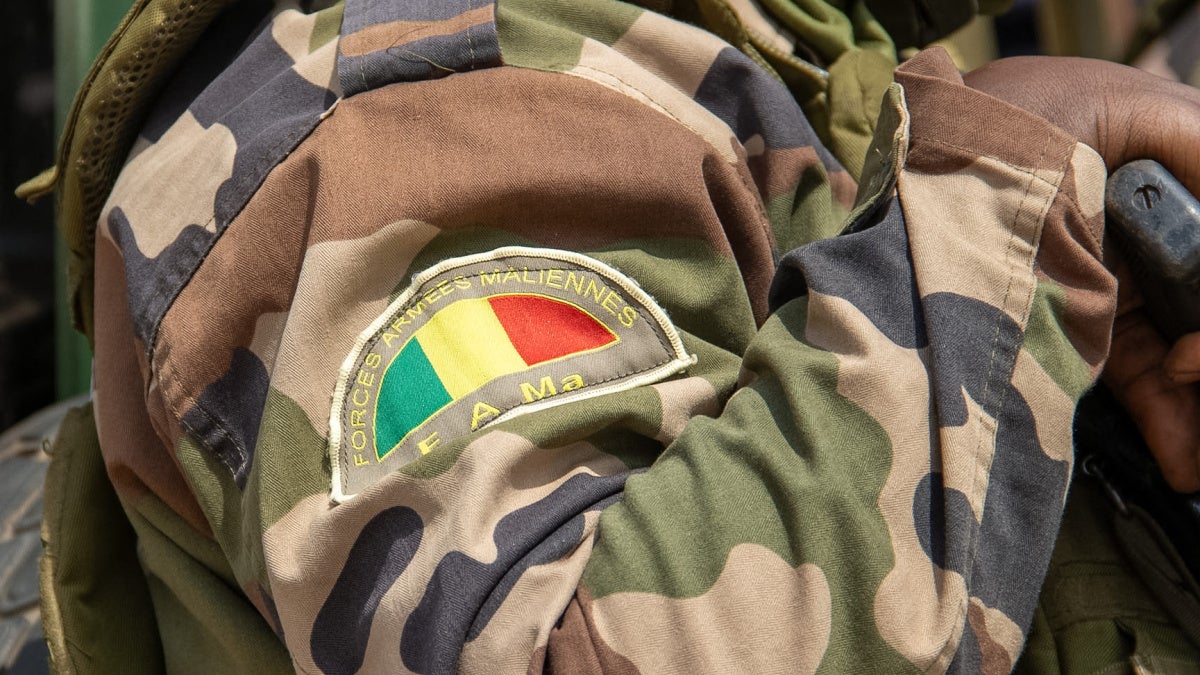
Nairobi – Mali’s armed forces and allied dozos militias have been accused of killing at least 31 civilians and burning homes in two villages within the conflict-ridden Ségou region during early October, according to a report by Human Rights Watch.
On October 2, soldiers and dozos—traditional hunters primarily from the Bambara ethnic group who have joined counterinsurgency efforts for nearly a decade—entered Kamona, killing at least 21 men and torching over 10 homes. Witnesses claim the military and militias executed villagers on suspicion of collaborating with the Group for the Support of Islam and Muslims (GSIM), an Al-Qaeda-affiliated jihadist faction controlling parts of central Mali.
Nine more civilians, including a woman, were killed in Balle, roughly 55 kilometers away, during a second attack on October 13. Survivors described soldiers and dozos conducting door-to-door searches, assaulting residents, and summarily executing those unable to flee.
Eyewitness accounts reveal brutal executions
In Kamona, survivors recounted how soldiers in camouflage fatigues and dozos wearing traditional charms arrived by armed pick-ups and motorcycles. Many villagers had already fled after receiving warnings about the military’s approach, but those who remained were gathered and shot. A 40-year-old shepherd hiding with his 9-year-old daughter discovered 17 bodies beneath a tree, some with shattered skulls and bullet casings scattered nearby.
« Those who couldn’t escape were rounded up and executed, » a survivor told Human Rights Watch. « We buried the men in a mass grave and later found four more bodies further north, all shot in the head and abdomen. »
In Balle, a 24-year-old man described soldiers kicking and slapping men during house-to-house raids before opening fire. Ten bodies—including a 55-year-old woman—were later found strewn across the village. A 33-year-old resident reported seeing victims with broken limbs and multiple gunshot wounds. The attackers also stole over 100 cattle, depriving survivors of vital resources.
Military denies responsibility amid rising tensions
The Malian Armed Forces’ Chief of Staff claimed in an October 14 statement that a « counter-terrorism operation » near Balle on October 13 resulted in the « neutralization of around 20 terrorists » and the seizure of weapons. However, residents dispute these claims, stating that Balle has been under GSIM control for years, with jihadists resolving disputes and collecting Islamic taxes (zakat).
« The army doesn’t distinguish between us and them, » a local said. « We’ve paid zakat to the GSIM for years. If there’s a problem, they handle it—not the military. »
International calls for accountability grow
Human Rights Watch has urged Malian authorities to conduct an impartial investigation and hold those responsible accountable. The conflict, now in its 12th year, has displaced over 402,000 people and left thousands dead. The organization has documented widespread abuses by both state forces and armed groups, including the GSIM.
In September 2025, the GSIM escalated attacks by besieging Bamako, cutting off fuel supplies and forcing the junta to shut down schools temporarily. The siege highlighted the deteriorating security situation, prompting calls for stronger international intervention.
While Mali withdrew from the International Criminal Court (ICC) in September, it remains bound by the Rome Statute until 2026. The ICC has been investigating alleged war crimes in Mali since 2013, yet accountability remains elusive. The African Union (AU) has also faced criticism for its limited response to the crisis.
« The AU Peace and Security Council must prioritize Mali, » said Ilaria Allegrozzi, Senior Sahel Researcher at Human Rights Watch. « Regular briefings, strengthened diplomacy, and coordinated regional actions are critical to addressing the abuses by all parties. »
Under international humanitarian law, all conflict parties must uphold the Geneva Conventions, which prohibit attacks on civilians, torture, and summary executions. Perpetrators of such crimes may face prosecution for war crimes.