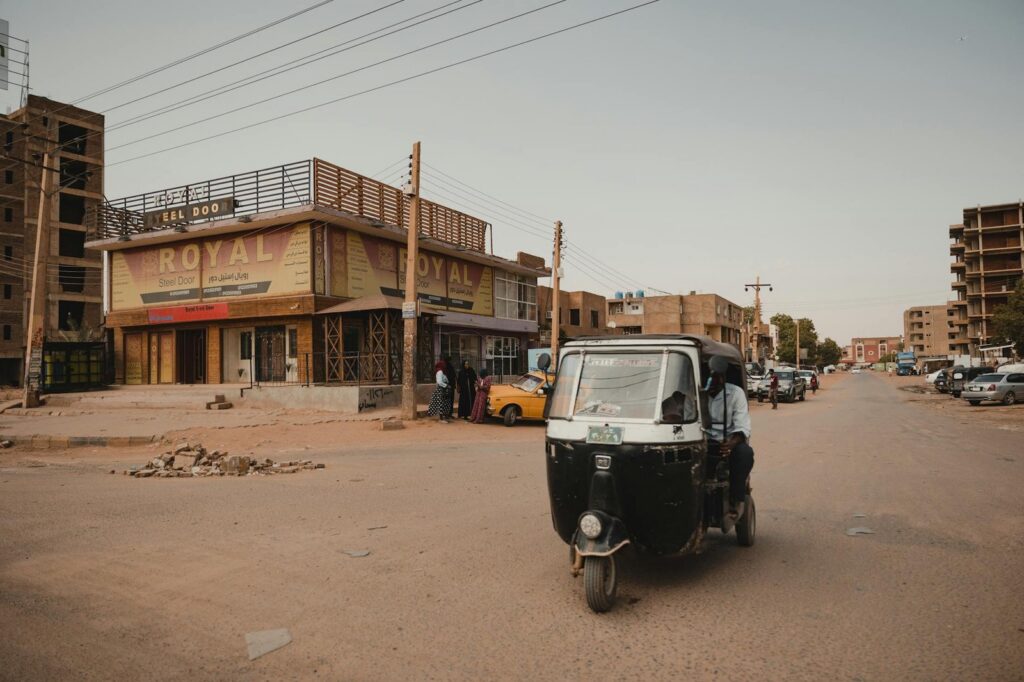
The jihadist alliance Jnim, affiliated with al-Qaïda, has escalated its economic blockade against Mali, setting ablaze a series of passenger buses along the Ségou-Bamako corridor—a vital lifeline supplying the capital with goods from eastern regions. Concurrently, attackers targeted and disabled power infrastructure linked to the Manantali hydroelectric dam in Kayes, further straining the country’s already fragile energy grid.
Manantali under siege: a blow to regional energy security
The Manantali dam, a cornerstone of Mali’s electricity supply, operates under a tri-national agreement involving Mauritania and Senegal through the Senegal River Basin Development Organization (OMVS). By sabotaging transmission lines, Jnim is not only challenging state forces—it is disrupting the very foundation of urban life. Power outages in Bamako paralyze hospitals, cripple businesses, and halt public services, creating a ripple effect of discontent aimed at the transitional government led by General Assimi Goïta.
This campaign follows weeks of targeted strikes on fuel convoys entering from Senegal and Côte d’Ivoire. The jihadists’ strategy is clear: weaponize shortages to erode public trust and destabilize the authorities. What began as rural insurgency has now morphed into a calculated siege on Bamako’s economic resilience.
Government countermeasures: fragile relief amid escalating threats
The Malian armed forces continue to conduct ground and air operations across multiple fronts, claiming limited success in securing supply routes. Military escorts have enabled the entry of hundreds of tanker trucks into Bamako in recent days, temporarily easing fuel shortages at service stations. Yet this reprieve is short-lived; each convoy demands significant resources and offers no long-term guarantee of safety. Securing Mali’s national highways remains a distant goal.
The army faces simultaneous pressures. In central and western Mali, Jnim has intensified ambushes and infrastructure attacks. Meanwhile, in the north, tensions persist around Kidal, where clashes with the Permanent Strategic Framework rebel coalition loom. With dwindling manpower and equipment, Bamako is stretched across two critical fronts, struggling to maintain control.
Regional spillover: economic ripple effects across West Africa
The blockade’s impact transcends Mali’s borders. Neighboring economies—particularly those of Senegal, Mauritania, and Côte d’Ivoire—are feeling the strain as trade corridors collapse. Ports in Dakar and Abidjan are reporting sharp declines in transit volumes destined for the Sahel, disrupting supply chains and regional commerce. The Sahel States Confederation, comprising Mali, Burkina Faso, and Niger, has yet to forge a unified response to this economic warfare campaign.
The attack on Manantali raises urgent questions about shared regional infrastructure. Further damage could disrupt electricity supplies to Senegal and Mauritania, turning a Malian crisis into a continental concern. External partners—whether development lenders or military suppliers—now face a delicate balance: supporting Bamako’s sovereignty while protecting critical transboundary assets.
On the ground, the contrast between official military statements and the lived reality in Bamako underscores the severity of the moment. Jnim is no longer fighting for territory alone—it is waging war on the state itself. With new offensives expected near Kidal in the coming days, the capital remains trapped in a tightening economic vise.
You may also like
Benin’s €544,042 UNAIDS funding: the tangible consequences for patients, communities and the economy
Senegal-Azerbaijan pact in New York: what it means for jobs, trade and cooperation
What Luxembourg’s 9.8 billion FCFA port training pledge means for Benin’s workers and businesses
Burkina Faso: shrinking civil service payroll exacts a heavy toll on households and local economies
Libya-Cameroon air link plan: how Yaoundé and Tripoli are reacting, and what could follow