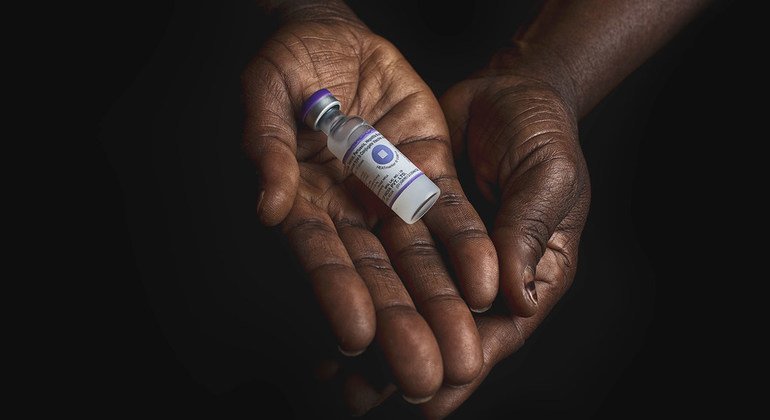
The illness is advancing rapidly. Since mid-September, Mali has been grappling with a swift surge in diphtheria cases, a preventable infection that thrives amidst a weakened healthcare system, persistent shortages, and increasingly restricted humanitarian access.
By early December, official figures indicated over 530 cases and more than 30 fatalities. However, the United Nations cautions that the actual situation is likely far more severe due to widespread underreporting across the nation.
The highest mortality rates are concentrated in the central regions of Mopti and Ségou, along with Timbuktu in the northwest. These areas are already highly vulnerable to pervasive insecurity, movement constraints, and the collapse of essential public services. Within these territories, the diphtheria outbreak is exacerbated by critical vaccine shortages, restricted access to medical care, ongoing population displacements, and persistent instability, deepening Mali’s humanitarian challenges.
One million dollars released for Mali’s health response
Responding to the pressing emergency, the UN’s Emergency Relief Coordinator, Tom Fletcher, authorized the release of one million dollars from the United Nations Central Emergency Response Fund (CERF). This crucial funding aims to support an immediate health intervention. The allocation will enable the World Health Organization (WHO) to deploy emergency medical teams, distribute vital antibiotics and antitoxins, enhance infection prevention measures, improve patient management, facilitate contact tracing, and conduct community awareness campaigns across Mali.
However, this critical health mobilization confronts a harsh reality: humanitarian access throughout Mali is increasingly jeopardized. Across vast areas of the country’s central and northern regions, fuel shortages, severe movement restrictions, and pervasive insecurity have significantly impeded field operations in recent weeks. Mobile clinics find their operational reach severely curtailed, supply chains are weakened, and the most isolated populations remain beyond the reach of essential medical care.
The escalating diphtheria outbreak is therefore an integral part of a broader humanitarian crisis affecting Mali. In a nation where over a quarter of the population requires assistance, this disease resurgence starkly exposes the fragility and vulnerability of existing state structures.