The year 2025 stands as a defining chapter in Burkina Faso’s healthcare evolution. Despite enduring national challenges—security instability and economic strain—the country made remarkable strides. These advances spanned critical areas: modernizing health infrastructure, expanding specialized care, and enhancing financial accessibility to essential medical services.
Historic kidney transplant performed in Burkina Faso
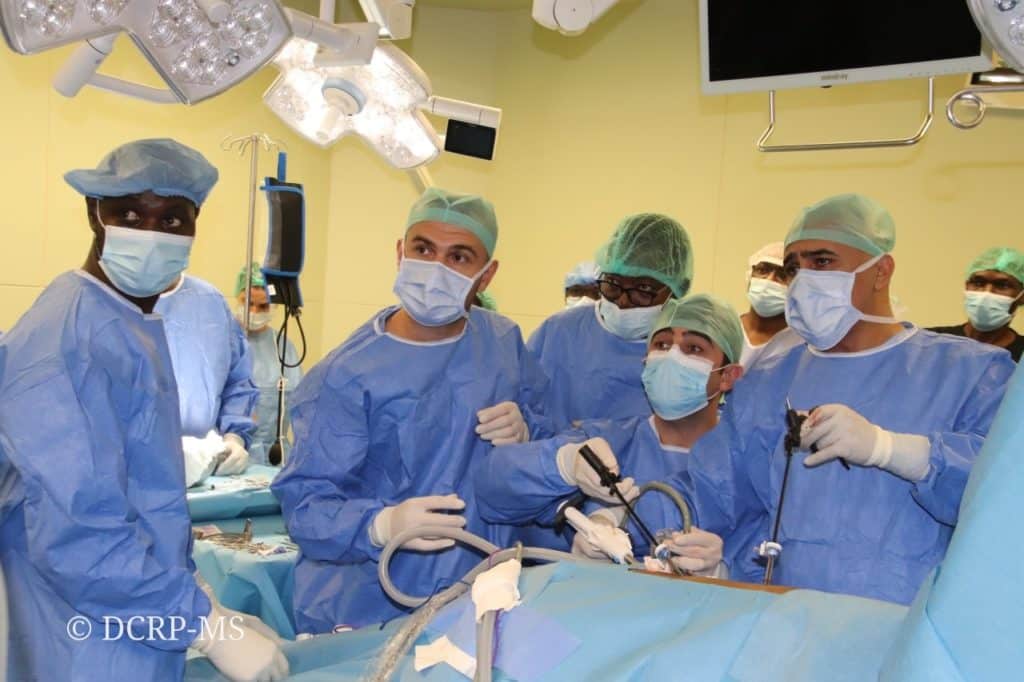
For the first time in its history, Burkina Faso successfully carried out a kidney transplant in 2025. This groundbreaking medical achievement was made possible through the coordinated efforts of Burkinabè and Turkish medical teams at the Tengandogo University Hospital Centre (CHU).
This milestone is expected to significantly reduce the country’s reliance on medical evacuations abroad for patients suffering from renal failure, a longstanding challenge in managing end-stage kidney disease.
Neuro surgery success in Kaya signals growing medical expertise
Another medical triumph took place in Kaya, within the Kuilsé region. A skilled surgical team led by Dr. Lassané Taoko—a neuro surgeon—and supported by Dr. Fabrice Lompo, an anesthesiologist-intensivist, successfully removed a brain tumor from a patient. This operation underscores the nation’s rising capabilities in complex surgical interventions.
New high-standard university hospitals boost healthcare access
The year also saw the inauguration of the University Hospital Centre (CHU) of Pala, equipped with state-of-the-art technology. This facility substantially enhances access to advanced medical care in its region.
Additionally, the opening of the hemodialysis centre in Gaoua addresses the pressing needs of patients with renal conditions in the Djôrô region, ensuring timely life-saving treatment.
Lower costs make medical imaging and dialysis more affordable
Significant financial relief came through cost reductions in medical imaging and dialysis. Public hospitals lowered prices dramatically:
- CT scan fees dropped from 50,000 FCFA to 25,000 FCFA (a 50% reduction)
- MRI costs fell from 100,000 FCFA to 40,000 FCFA (a 60% reduction)
- Hemodialysis deposits were eliminated entirely, removing a major financial barrier for patients
These measures aim to encourage earlier diagnosis and treatment of serious illnesses, especially among low-income families.
Public health campaigns strengthen disease prevention
Preventive health initiatives continued to gain momentum in 2025. The national seasonal malaria chemoprevention campaign reached nearly all children aged 3 to 59 months, helping reduce severe cases and deaths from this endemic disease.
At the same time, maternal and neonatal mortality rates were addressed through strengthened follow-up systems and improved management of avoidable deaths.
Systemic reforms drive long-term health improvements
The country also advanced structural reforms, including:
- Strengthening primary healthcare services
- Digitizing community health management
- Tightening tobacco control regulations
A resilient and people-centered healthcare system
While challenges remain, 2025 marked a year of concrete progress toward a more resilient, accessible, and patient-focused healthcare system in Burkina Faso. These efforts reflect a national commitment to improving health outcomes for all citizens.