five key insights into Senegal’s new government lineup
President Bassirou Diomaye Faye unveiled the new cabinet on monday evening, marking a pivotal moment for a nation grappling with mounting debt and political tensions. Just ten days after dismissing former Prime Minister Ousmane Sonko, the reshuffled team now faces the daunting task of steering Senegal through economic challenges while navigating a fractured political landscape.
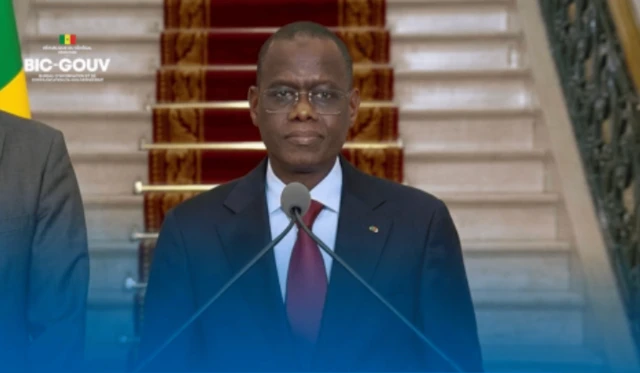
The new administration, led by Prime Minister Ahmadou Al Amine Mohamed Lo, comprises 30 members—26 ministers and four deputy ministers—with only four women included, and none holding sovereignty-related portfolios. This composition arrives amid a backdrop of deepening rifts between the ruling coalition and the opposition, particularly the PASTEF party, which has openly rejected participation in the government.
a government without parliamentary backing
Hours before the cabinet list was announced, PASTEF declared its refusal to join the government, citing “profound disagreements” with President Faye. High-profile figures from the party, including former Energy Minister Birame Souley Diop, Justice Minister Yacine Fall, and Culture Minister Amadou Ba, have exited the administration. However, a few former PASTEF members remain in key roles, such as Cheikh Diba, who now oversees Finance, Economy, and Planning.
Despite PASTEF’s boycott, the new lineup includes allies of Ousmane Sonko, who now leads the National Assembly. Figures like Cheikh Tidiane Dieye (Sanitation), Déthie Fall (Infrastructure), and Mamadou Lamine Dianté (Civil Service) have been retained or appointed. The Coalition Diomaye, a major political force, secured six ministerial positions, with El Hadj Abdourahmane Diouf taking charge of Energy and Petroleum.
a cabinet with limited female representation
The new government’s gender balance has drawn criticism, with only four women appointed out of 30 positions. Three hold full ministerial roles, while one serves as a deputy minister. The appointees include Marie Angélique Mame Selbé Diouf (Family, Social Action, and Solidarity), Djirèye Clotilde Coly (Sports and Youth), Ami Mara (Fisheries and Maritime Economy), and Mame Coumba Diop (Culture attaché).
Women’s rights advocates have condemned the underrepresentation, arguing it fails to reflect women’s demographic weight and expertise in critical sectors. Dr. Coumba Mar Gadio of the African Women Leaders Network (AWLN) Senegal chapter emphasized the need for corrective measures to strengthen women’s presence in decision-making spheres, highlighting their potential to contribute to economic and social development.
The 2010 parity law, designed to ensure gender equality in elected institutions, has yet to be fully applied beyond electoral contexts, leaving gaps in executive representation.
debt crisis and imf negotiations loom large
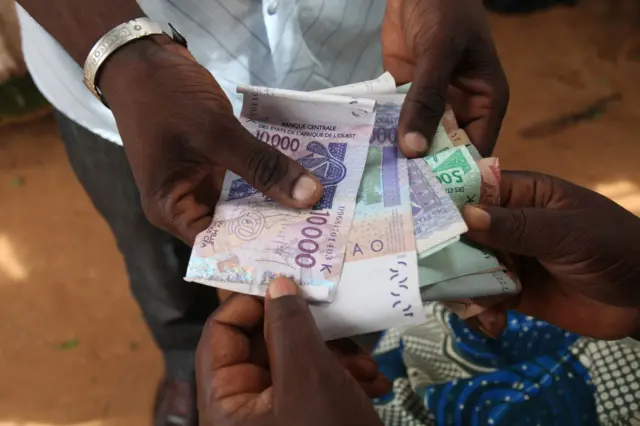
Senegal’s ballooning debt, including a hidden burden exceeding $7 billion, has become a defining challenge for the new government. The administration has resisted restructuring efforts, but economists warn of the urgent need for an IMF agreement to stabilize public finances. Amath Ndiaye, an economist at Cheikh Anta Diop University, notes that the economic downturn—marked by rising unemployment and sluggish growth forecasts for 2026—demands a shift in approach toward debt negotiations.
Ndiaye highlights the government’s dilemma: securing an IMF deal could ease debt pressures but may require cuts to subsidies and public services, exacerbating social tensions. Balancing these competing priorities will test the administration’s resolve, particularly as public demands for improved living conditions and job opportunities grow.
an unprecedented political standoff
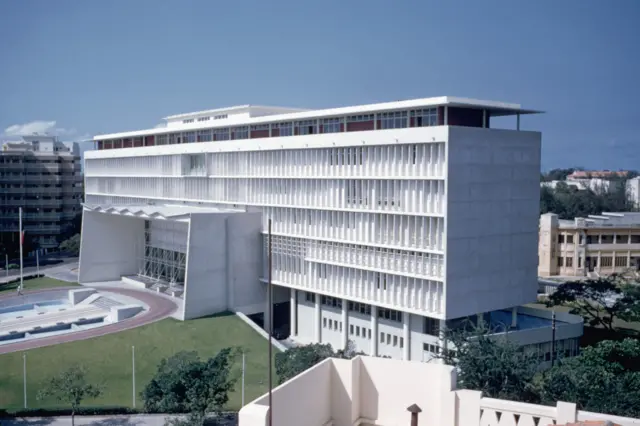
Political scientist Moussa Diaw describes the current climate as an “unprecedented situation,” where the National Assembly’s majority (held by PASTEF) clashes with a President lacking parliamentary support. This cohabitation stems from fundamental disagreements over governance priorities, including debt resolution, accountability, and justice for victims of the 2021–2024 protests.
Diaw warns that the absence of a clear majority weakens the government’s ability to implement bold reforms. The Prime Minister’s room for maneuver is limited, and any attempt to deviate from the parliamentary majority’s line risks legislative obstruction. He stresses the need for both institutions—Presidency and National Assembly—to prioritize national interests over partisan conflicts, cautioning that mishandling this dynamic could trigger institutional crises.
constitutional roles and the path forward
Diaw underscores the importance of adhering to constitutional roles, with each branch of government—Presidency and National Assembly—exercising its prerogatives responsibly. He advocates for dialogue, courage, and a commitment to Senegal’s higher interests, urging leaders to set aside political ambitions to avert tensions and blockages.
The challenge now rests with President Bassirou Diomaye Faye and National Assembly President Ousmane Sonko to demonstrate patriotic leadership, ensuring institutions function smoothly despite their differences. Their ability to navigate this delicate balance will determine whether Senegal can avoid instability and chart a sustainable path forward.