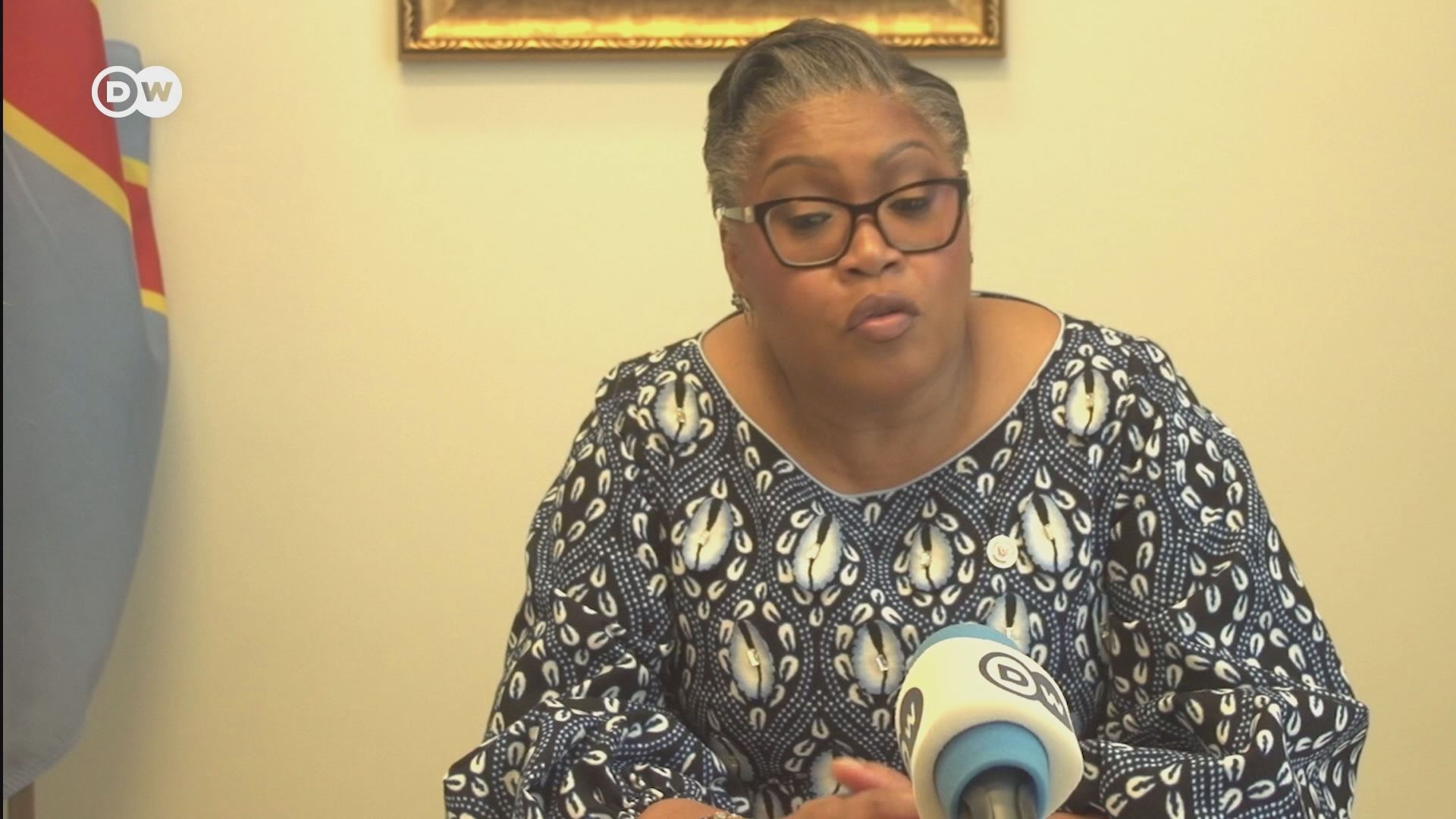
During a high-profile visit to New York for the rotating presidency of the United Nations Security Council, Democratic Republic of the Congo (DRC) Prime Minister Judith Suminwa outlined her nation’s urgent priorities: safeguarding civilians, addressing systemic sexual violence in conflict zones, and ensuring accountability for war crimes.
In a series of diplomatic engagements, Suminwa positioned the DRC as a leading voice for human rights and justice on the global stage. She emphasized that the crisis in the country transcends borders, demanding coordinated international action.
Upholding democratic values amid protests
Responding to concerns over upcoming opposition-led demonstrations against constitutional amendments, Suminwa struck a balanced tone. “The DRC is a democracy,” she stated, affirming the right to peaceful assembly—provided it complies with constitutional and legal frameworks. Her message underscored the importance of national unity and respect for established rules.
By framing dissent within the bounds of the law, she sought to reassure both citizens and international partners that the government remains committed to democratic principles, even amid political tensions.
Protecting civilians at the heart of global security
At the UN, Suminwa urged member states to prioritize the protection of civilians in conflict zones. She highlighted the plight of displaced populations, particularly women and children, who face escalating threats in eastern DRC and neighboring regions.
“Protecting civilians isn’t just about passing resolutions—it’s about enforcing them,” she asserted. Her call resonated in a global context where humanitarian crises continue to escalate, demanding urgent and tangible solutions.
Sexual violence as a weapon of war
Suminwa condemned the widespread use of sexual violence as a calculated tactic in armed conflicts, citing its devastating impact on survivors and communities. She urged the Security Council to integrate this issue into peace negotiations, ensuring that survivors receive protection, reparations, and access to justice.
“No perpetrator should escape accountability,” she declared, stressing the need for a robust judicial response. Her stance reflects growing international recognition of sexual violence as both a war crime and a barrier to lasting peace.
Health crises and humanitarian resilience
Beyond security concerns, Suminwa addressed the ongoing Ebola outbreak in the DRC, which has strained public health systems. International partners have pledged nearly one billion dollars to combat the epidemic, though she emphasized the critical need for timely fund disbursement.
The Congolese government has allocated 50 million dollars to the response, with funds already allocated to research and healthcare infrastructure through the National Institute for Biomedical Research (INRB). Suminwa warned that without swift action, the health crisis could spiral into a broader humanitarian emergency, disproportionately affecting vulnerable populations.
Her remarks at the UN highlighted the intersection of security, justice, and public health—three pillars essential to the DRC’s recovery and long-term stability.