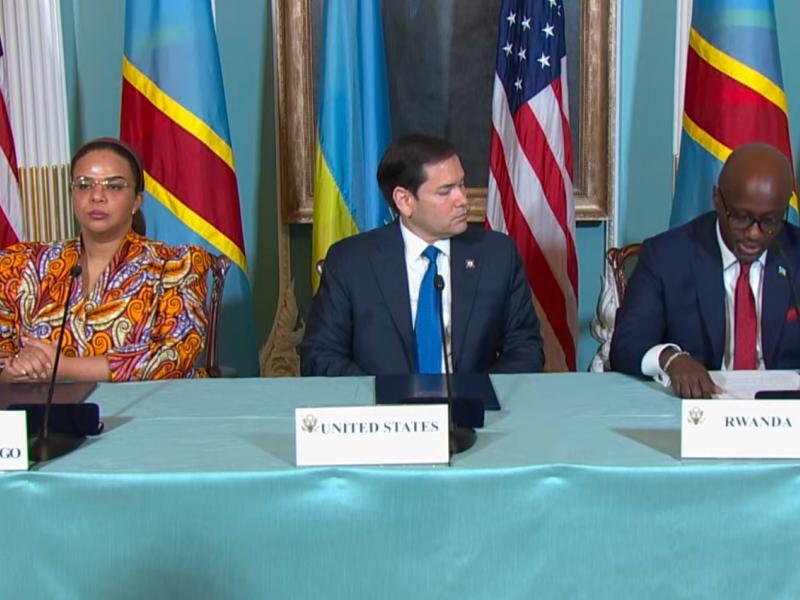
Jason Stearns advocates for a realistic RDC-Rwanda political solution, dismissing military defeat for Kigali
- Politics
During a recent online discussion, prominent researcher Jason Stearns presented a compelling argument for a pragmatic political resolution to the ongoing conflict involving the M23. He explicitly dismissed the notion that international pressure alone could compel a complete withdrawal by Rwanda. These insights were shared during a Space Live X event, expertly hosted by journalist Stanis Bujakera Tshiamala.
Addressing the perceived asymmetry in global diplomatic efforts, often appearing more focused on Kigali than Kinshasa, Stearns initially conceded, “The most desirable outcome for this conflict would indeed be to apply sufficient pressure on Rwanda to secure its full withdrawal.” He recalled the events of 2013, when a blend of “diplomatic pressure” on Kigali and “military pressure on the M23” culminated in the M23’s military defeat. However, he critically observed that this victory was “not subsequently supported by a cohesive peace process.”
Stearns firmly asserted that such a scenario is no longer realistic. “We are not currently at a point where we can realistically expect a straightforward withdrawal from Rwanda,” he stated. He further indicated that even among diplomats in Washington, there is a clear understanding on this matter: “We are not exerting pressure on Rwanda with the belief that Rwanda will simply retreat.” His definitive conclusion was that “a diplomatic political solution is imperative, not a military one.”
Consequently, Jason Stearns urged that similar pressure be directed towards Kinshasa to facilitate a compromise. He was careful to clarify that, in his assessment, such a compromise must not “undermine the integrity or sovereignty of the Democratic Republic of Congo.”
Regarding the concrete elements of this potential compromise, the researcher referenced “various peace processes that have been implemented previously.” He unequivocally ruled out the integration of any individuals “guilty of crimes against humanity or war crimes.” However, for other leaders within the movement, he suggested that “a mechanism must be established to address their stated grievances.”
Stearns emphasized a crucial point: “The fundamental issue is to be able to offer something meaningful to the M23 leadership.” He reiterated his consistent position, stating that he, alongside his colleagues, had initially condemned the movement as a clear Rwandan aggression. “We documented and denounced this aggression… it is undeniably a Rwandan aggression,” he affirmed. He then provided a stark military reality check: the M23 currently controls “territories comparable in size to Belgium” and has, by his estimation, suffered the loss of “hundreds, likely thousands of soldiers” in the eastern RDC. In this complex operational environment, he concluded, “the existing military and diplomatic pressure is insufficient to impose a definitive defeat.”
Related Posts
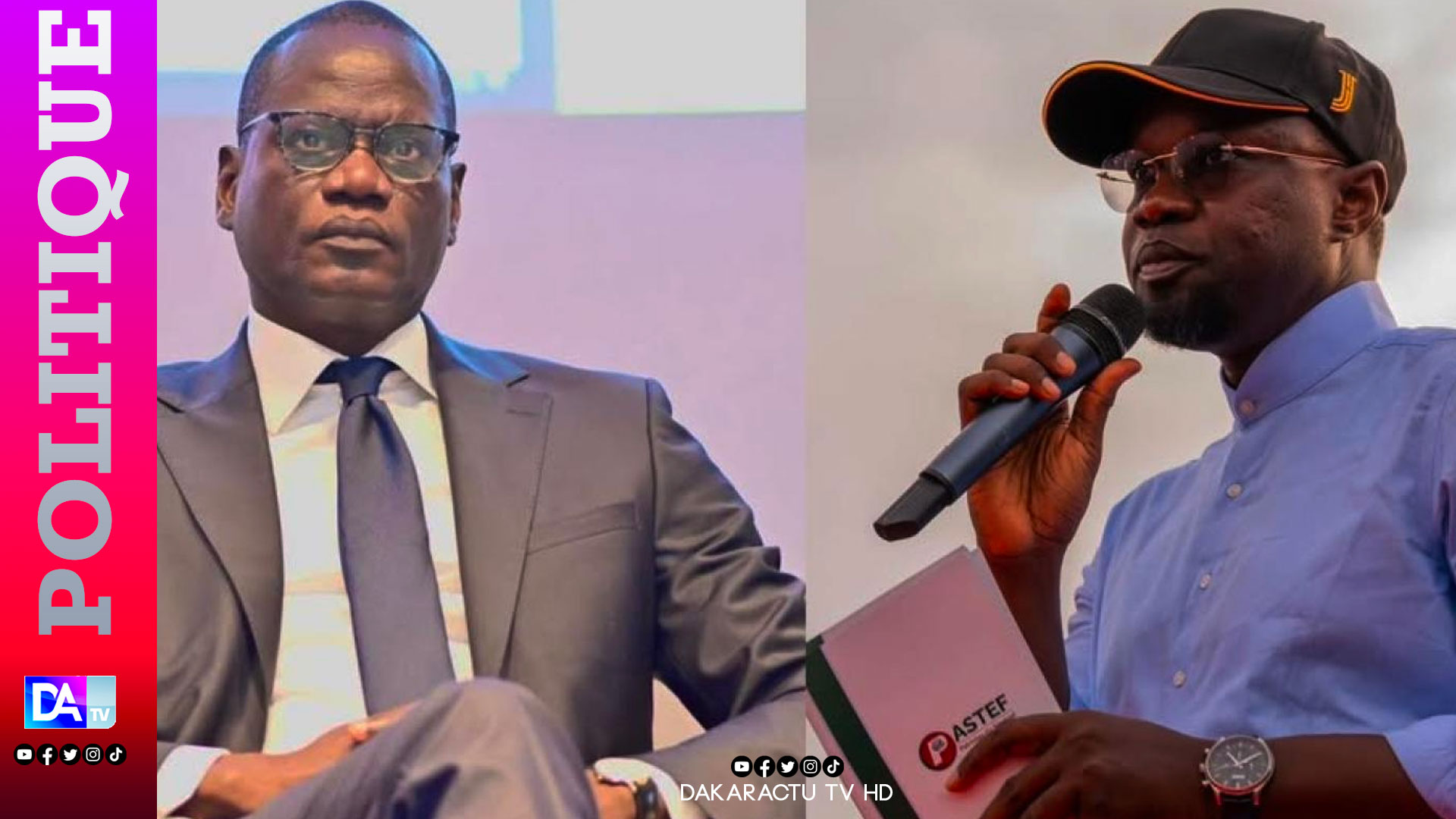
Senegal political clash as diouf criticizes sonko’s rise to assembly leadership
In the latest political confrontation gripping Sénégal, the President of the Awalé party, Abdourahmane Diouf, has launched a scathing critique…
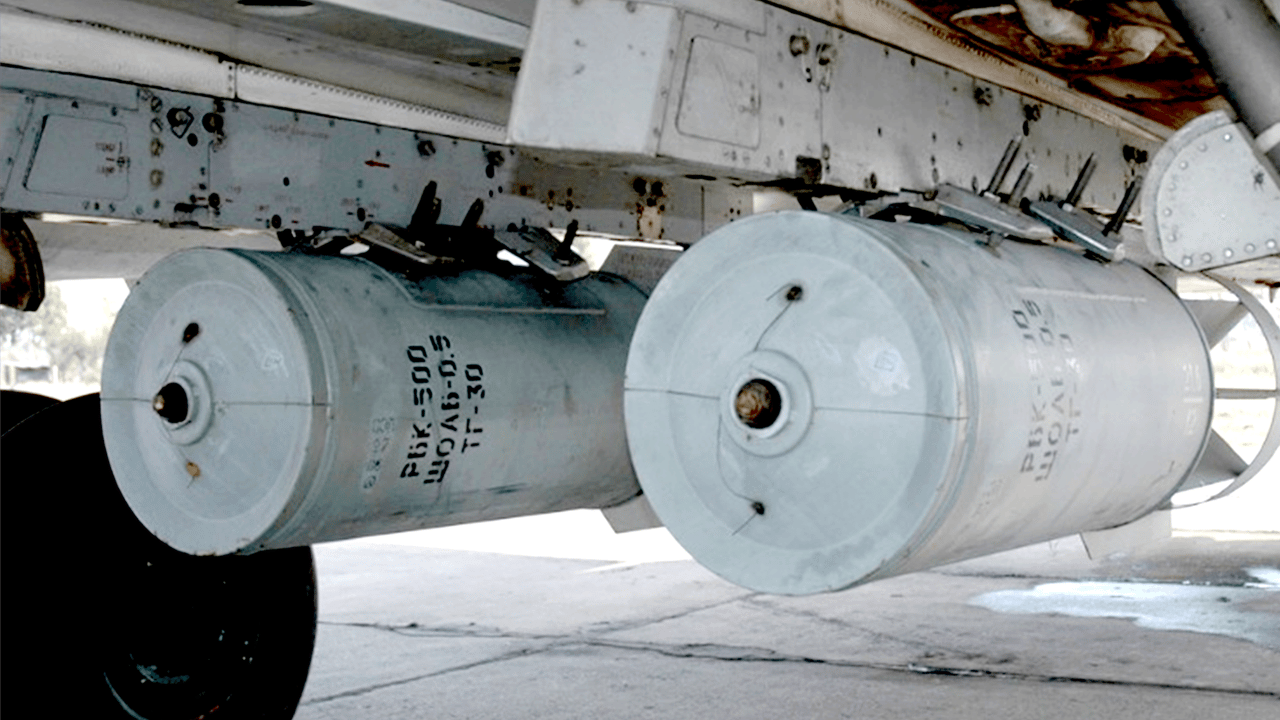
Visual proof emerges of cluster munitions deployed in Mali
Recent visual evidence points to the use of cluster munitions in strikes carried out within Mali. This development highlights the…
Kinshasa grapples with worsening crisis of war-displaced civilians
PoliticsDemocratic Republic of the Congo Kinshasa grapples with worsening crisis of war-displaced civilians 24/06/2026June 24, 2026 The capital faces a…