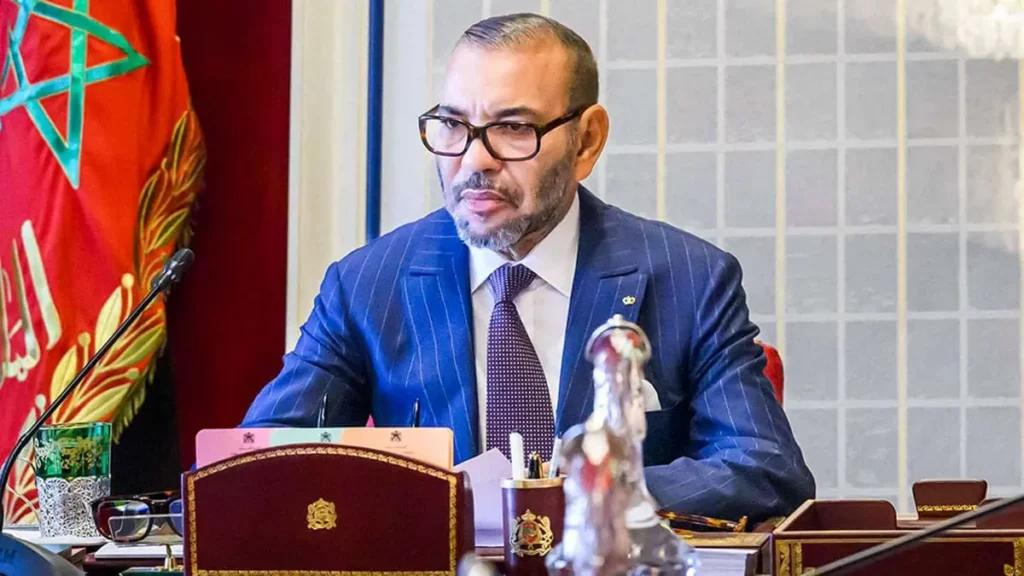
How Morocco under King Mohammed VI became a global leader in politics and economy
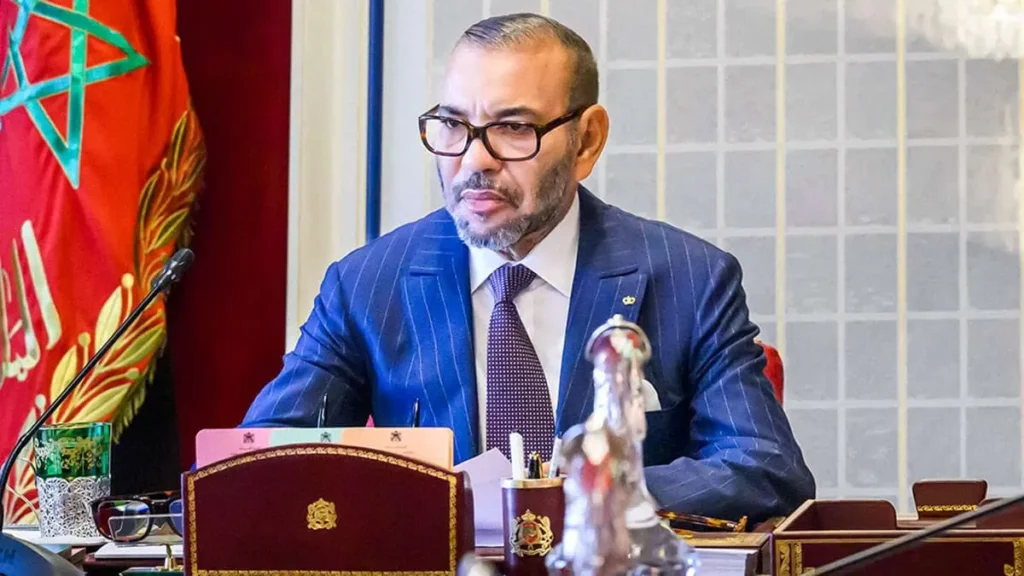
Morocco has risen to prominence as a leading force in global politics, economics, and social progress, making its mark across Africa, the Arab world, the Mediterranean, and beyond.
In a recent interview marking the Throne Day celebrations, German-Moroccan politician Anissa Saysay, a member of Germany’s Christian Democratic Union (CDU) led by Chancellor Friedrich Merz, highlighted the transformative journey of the Kingdom under the visionary leadership of His Majesty King Mohammed VI. She described the country as a modern, stable state and a globally recognized player.
This remarkable evolution is rooted in a forward-thinking strategy that prioritizes long-term development, robust infrastructure investment, and economic independence. Major projects such as state-of-the-art ports, high-speed rail networks, expanded airports, industrial and technological hubs, and thriving automotive and aerospace sectors underscore the Kingdom’s commitment to shaping its future with precision and ambition.
Morocco’s strategic geographic and cultural position serves as a vital bridge between Europe, Africa, and the Arab world, granting it a significant political and economic advantage. Saysay also emphasized the Kingdom’s leadership in Africa’s energy transition, positioning it as a key partner for Europe in renewable energy initiatives.
On the social front, she praised Morocco’s progress in social protection, healthcare access, education, and women’s rights, reflecting a holistic approach to national development.
Regarding Morocco-Germany relations, Saysay noted their steady improvement, calling Morocco a reliable and dynamic partner in North Africa. For Germany, the Kingdom represents a crucial ally in technology, industry, vocational training, research, climate protection, and sustainable development. The foundation of this partnership, she stressed, lies in equality, mutual respect, and shared interests, fostering open and sincere political dialogue.
Saysay underscored the pivotal role of Moroccan-German communities in strengthening bilateral ties. She believes these binationals can drive investments, knowledge exchange, educational partnerships, scientific collaboration, and social dialogue. Their dual identity blends German institutional expertise and technological prowess with Moroccan creativity, dynamism, hospitality, and regional networks, creating a powerful synergy.
She also emphasized that Throne Day is more than a national celebration—it is a deep connection between Moroccans abroad and their homeland, symbolizing pride in the Kingdom’s history and its ongoing transformation.
You may also like
-
Morocco’s global influence under King Mohammed VI’s leadership
-
Where is Cameroon’s president paul biya now
-
Cameroon court jails man for six months over insulting president
-
DRC constitutional court approves third term for Félix Tshisekedi
-
RDC : la Cour constitutionnelle valide une loi ouvrant la voie à un 3e mandat pour Tshisekedi