Foundations of a historic alliance
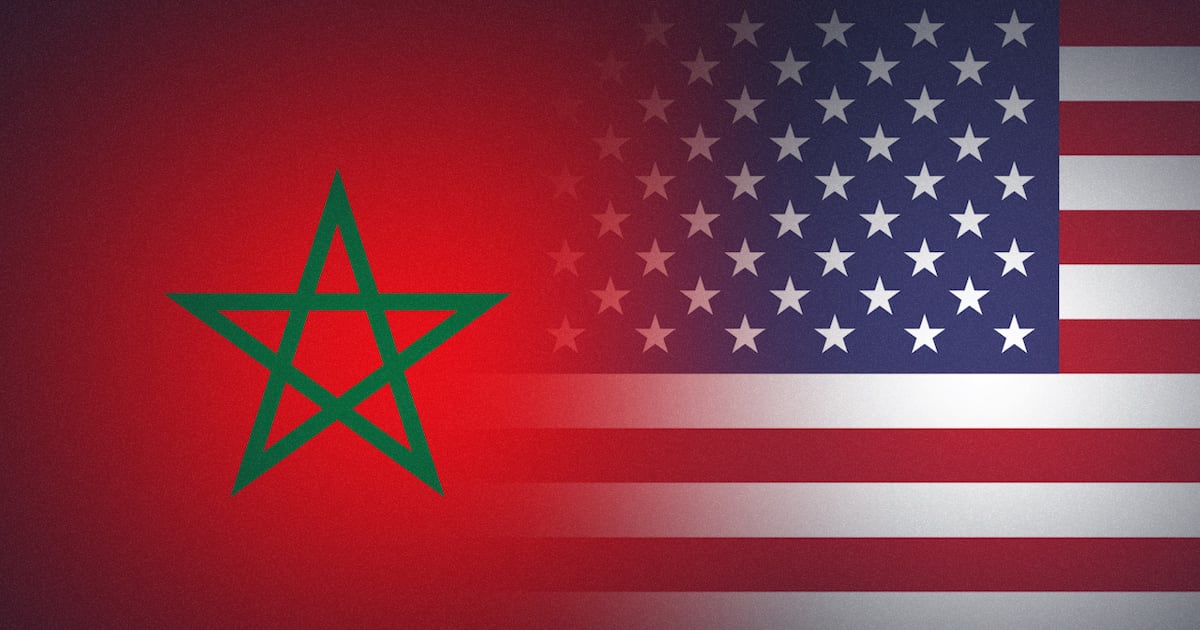
Long before today’s geopolitical landscapes emerged, the bond between Morocco and the United States was forged in the crucible of America’s struggle for independence. The two nations cemented their relationship in 1786 with the signing of a landmark treaty of peace and friendship, a document that has since stood the test of time. For over two and a half centuries, this agreement has evolved into a robust partnership, with diplomatic ties growing ever stronger—particularly evident in Washington’s unwavering support for Morocco’s position on the Sahara issue.
Royal message highlights enduring partnership
Commemorating the 250th anniversary of American independence, King Mohammed VI extended his warmest congratulations to President Donald Trump in a formal message. The King praised the “rich and fruitful” bilateral relations between the two nations, underscoring Morocco’s historic role as the first country to recognize the sovereignty of the newly formed United States. With deep appreciation, he hailed the U.S. government’s decision to acknowledge Moroccan sovereignty over the Sahara, calling the move “an unforgettable milestone” in the collective memory of the Moroccan people. The King emphasized that this alliance, strengthened by mutual trust and loyalty, reached unprecedented heights during President Trump’s two terms in office.
Security and trade fuel deepening collaboration
The Moroccan monarch described the military and security cooperation between Rabat and Washington as a “gold standard” of international partnerships. He specifically highlighted the African Lion military exercise—a premier multinational training event—as a symbol of this excellence. Beyond defense, the King pointed to the historic peak in bilateral trade, illustrating how economic ties have flourished alongside political solidarity. This enduring partnership is no coincidence: Morocco was the first nation to recognize the United States after its independence, following a grueling six-year conflict with Britain. During America’s own civil strife, Morocco remained steadfast, rejecting any attempt at secession and refusing to grant separatist forces safe harbor in its ports. When asked to assist in tracking fugitives who landed in Tangier, Moroccan authorities complied while ensuring their operations did not compromise the Kingdom’s sovereignty.
A legacy of loyalty and its global significance
Such steadfast support from a distant power is a rare diplomatic feat—one that stands as a testament to Morocco’s visionary foreign policy. This unparalleled bond, built on mutual respect and shared values, serves as a model for international cooperation. It is a heritage worth celebrating, leveraging, and sharing worldwide, especially in advancing the just causes of the nation. This commitment is not merely symbolic; it represents a lasting debt owed by the United States to Morocco—one that future generations must uphold. It demands that American policy refrain from actions that could undermine Moroccan interests, sovereignty, or territorial integrity.