Gabon’s bold vision for education by 2030
Libreville, July 16, 2026 — Gabon has just launched one of the most pivotal projects in its national transformation. By approving the interim education sector plan (2026-2030), the government is making a clear statement: education will be the driving force behind economic diversification, social cohesion, and international competitiveness. What appears to be a technical document is, in reality, a strategic battle for the country’s future.
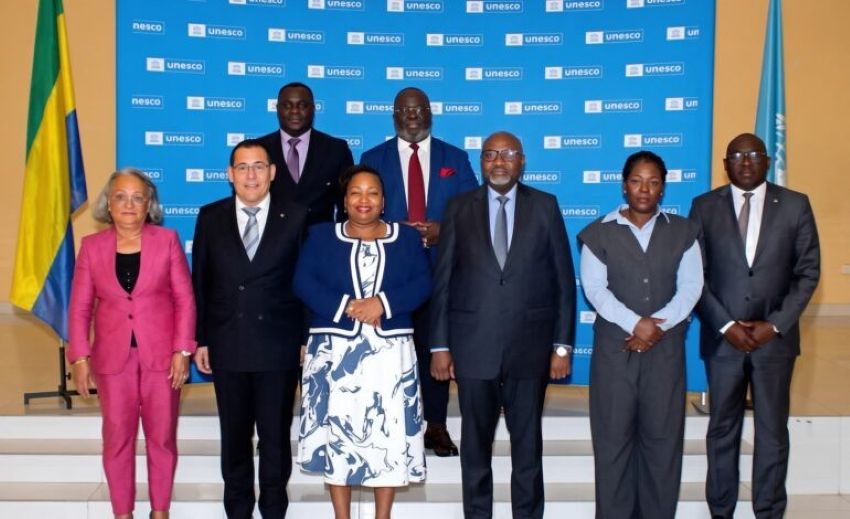
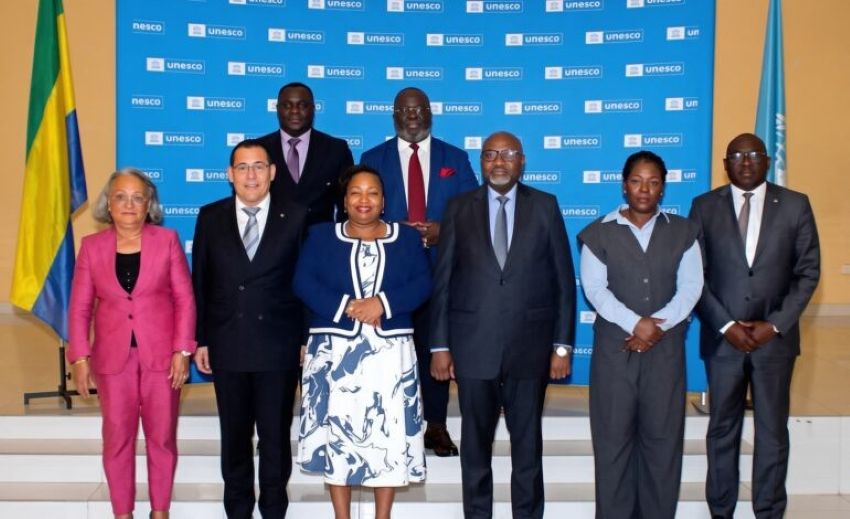
The roadmap, endorsed in a ceremony at the Alibandeng school complex, brings together the Gabonese government, technical and financial partners, and civil society organizations. Guided by Minister of National Education Camélia Ntoutoume Leclercq, the event also welcomed UNESCO’s resident representative in Gabon, Patricio Zambrano Restrepo, alongside key figures in the sector’s modernization.
This initiative reflects a global consensus: no economy can aspire to join the ranks of emerging nations without substantial investment in human capital.
Addressing demographic and economic pressures
Gabon’s education system faces a dual challenge. On one side, a rapidly growing youth population demanding more schools, training programs, and career opportunities. On the other, an economy transitioning from its reliance on extractive industries toward industrial processing, services, and digital innovation.
The interim education sector plan (2026-2030) emerges as a structured response to long-standing challenges finally tackled holistically. The roadmap outlines a five-phase implementation, from strengthening governance mechanisms to evaluating outcomes by 2030.
Four strategic priorities have been identified:
- Expanding educational infrastructure: Building new schools, increasing enrollment capacities, and reducing regional disparities.
- Enhancing learning quality: Investing in teacher training, integrating educational technologies, and aligning curricula with labor market demands.
- Modernizing sector governance: Improving resource management, transparency, and administrative efficiency.
- Promoting inclusion: Ensuring equitable access to education for children with special needs and vulnerable groups.
Education as a pillar of sovereignty
The participation of UNESCO, UNICEF, and other international partners underscores the significance of Gabon’s educational reform. Yet, beyond financial and technical support, the true challenge lies in national sovereignty.
In a world shaped by artificial intelligence, automation, and knowledge-based economies, raw materials alone will not secure a nation’s prosperity. The countries that thrive tomorrow will be those that cultivate skills, master technology, and innovate.
For Gabon, transforming its education system is both a strategic imperative and an economic choice. The goal is to prepare youth for future careers, boost employability, and align training programs with real-world business needs—a move that could also help address youth unemployment, a persistent social issue across Africa.
The test of credibility
African education plans have often faltered due to inconsistent implementation, funding gaps, or lack of evaluation. The success of Gabon’s interim plan hinges not on its design but on the institutions’ ability to execute it over time.
Key tests will include monitoring indicators, maintaining stable funding, coordinating between agencies, and ensuring teachers embrace the reforms. By embarking on this path, Gabon sends a powerful message: the wealth of tomorrow will not lie solely in the ground but in the classroom. The global competition of the 21st century will be won not with natural resources but with knowledge, skills, and the ability to cultivate local talent.
Gabon’s educational bet is far more than an administrative reform—it is an investment in economic sovereignty, social stability, and the nation’s role in shaping Africa’s future.