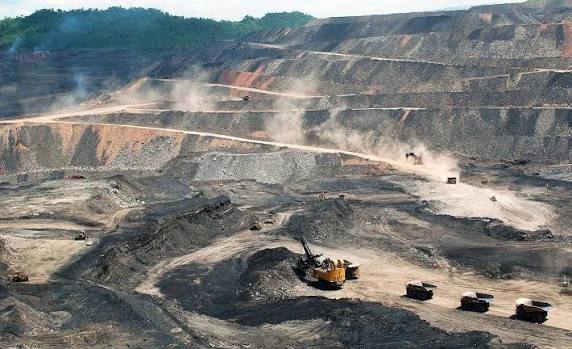
As Gabon’s oil reserves gradually decline, the nation is shifting its economic focus toward a robust mining sector to fuel sustainable growth and reduce reliance on hydrocarbons. Authorities have outlined ambitious plans to launch eight new mines by 2030, marking a strategic pivot in the country’s development roadmap.
Key mining projects driving economic diversification
The Minister of Mines, Sosthène Nguema Nguema, confirmed that multiple projects are under advanced study or development, targeting high-value minerals such as iron, gold, and potash. Among the most promising ventures are the iron deposits at Milingui, Baniaka, Mébaga, and M’Bilan, alongside the Etéké gold mine and a dedicated potash initiative. These initiatives are set to unlock new revenue streams and enhance industrial capacity.
Ambitious targets for GDP contribution and job creation
Gabon aims to elevate mining’s share in its GDP from the current 6% to nearly 20% in the coming decade. This push is expected to generate thousands of jobs while boosting public revenue. However, achieving these milestones hinges on critical infrastructure upgrades across roads, railways, ports, and energy supply networks. Economist Orphée Mouelé underscores that reducing logistical bottlenecks is vital for cost efficiency and efficient mineral transport.
Balancing resource wealth with social progress
Civil society groups, including the NGO Éthique et Bonne Gouvernance, emphasize the need for equitable benefit-sharing from mining operations. They argue that success must be measured not only by economic gains but also by tangible improvements in local communities and sustainable social development. Ensuring that mining revenues translate into lasting public services remains a priority for policymakers.
Local processing: a pathway to stronger industrial growth
Libreville is prioritizing in-country mineral processing to strengthen its mining industry. By refining raw materials locally, Gabon seeks to increase export value, create high-skilled jobs, and gradually shield its economy from the volatility of oil prices. This strategy aligns with the broader vision of building a resilient, diversified economy for future generations.
You may also like
Nanga armored vehicles: mounting fallout, public backlash and where Burkina Faso goes from here
After the eyeglasses verdict in Cameroon, a reckoning for the press and its critics
Mali’s official narrative stirs debate as Goïta’s promises collide with daily struggles
Nanga armoured vehicles: Burkina Faso’s ‘made in Burkina’ claim sparks national debate as questions mount
Sévaré attack aftermath: Mali’s security debate and the road ahead