Gabon’s bold move to bridge trust between Libreville and provinces
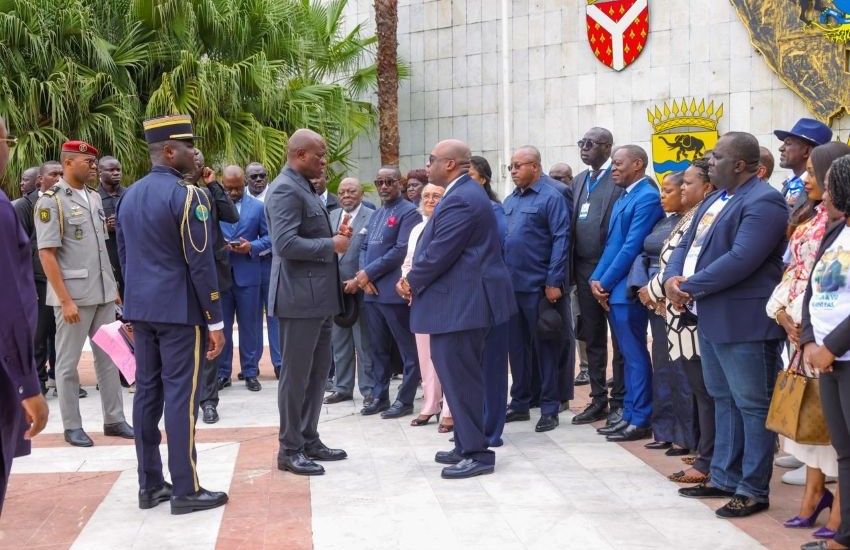
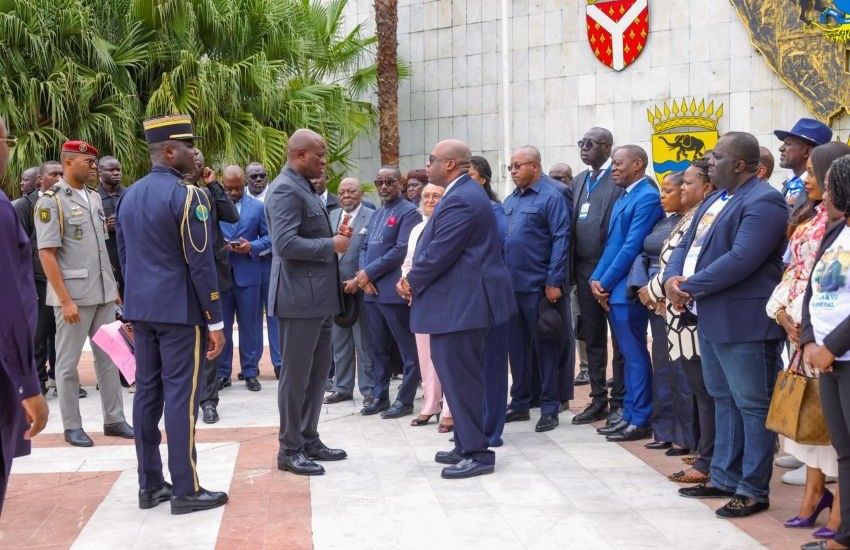
A rare political initiative unfolded in Libreville this week as 150 provincial leaders from Ogooué-Maritime traveled to the capital not for a ceremonial visit, but for an immersive experience in national transformation.
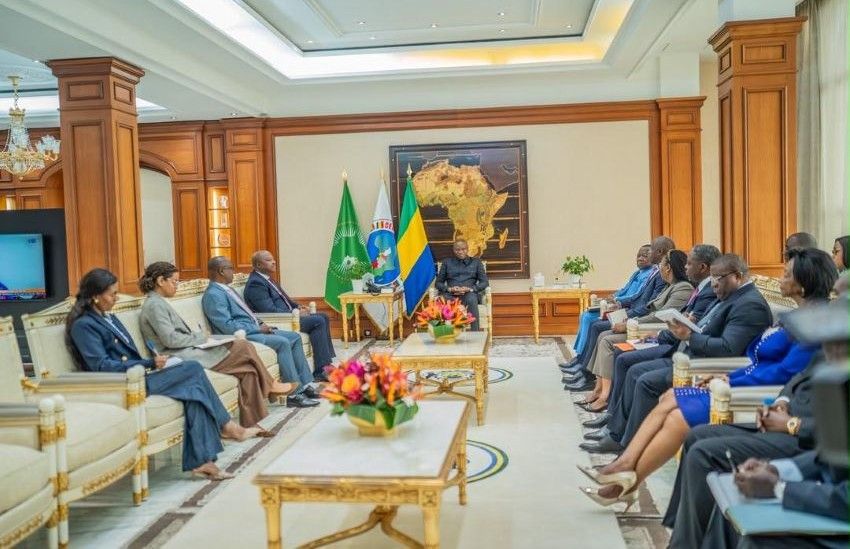
On Tuesday, July 14, 2026, representatives from Port-Gentil, Omboué, and Gamba were welcomed at the Presidential Palace following days spent touring Libreville’s most ambitious infrastructure projects. The visit was designed not merely to showcase progress but to foster direct dialogue between decision-makers and local stakeholders.
Under President Brice Clotaire Oligui Nguema’s leadership, the initiative reflects a governance strategy centered on tangible evidence, political proximity, and public policy transparency. By inviting provincial leaders to witness firsthand the capital’s rapid development, the administration seeks to strengthen national cohesion and align local perceptions with government actions.
Proving progress through action
The delegation from Ogooué-Maritime was deliberately diverse, including mayors, municipal advisors, community elders, neighborhood chiefs, entrepreneurs, influencers, and opinion leaders. This selection was strategic: in modern governance, credibility stems from direct observation rather than official declarations. Citizens trust what they experience over what they are told.
By allowing local actors to verify the scale and quality of ongoing projects, the government prioritizes evidence-based communication. This approach dismantles the divide between national ambitions and provincial realities, particularly in a country where vast distances and varied landscapes complicate uniform development.
The initiative also underscores a commitment to collective accountability. When communities see tangible results, skepticism toward public policies diminishes. For a nation grappling with historical disparities in infrastructure and services, this method could redefine citizen-state relations.
Equitable development as a national priority
Central to the meeting was President Oligui Nguema’s reaffirmation of balanced, inclusive growth across all provinces. While Libreville has seen significant transformation, the government acknowledges that other regions—like Ogooué-Maritime—must progress at their own pace, tailored to their unique economic and social needs.
For this oil-rich coastal province, the focus shifts toward diversifying its economy through infrastructure, tourism, and blue economy initiatives. The message was clear: equity does not mean uniformity. Investment strategies must adapt to local priorities, ensuring no community is left behind in the nation’s progress.
Direct dialogue as a governance tool
At the conclusion of their immersion, the provincial representatives expressed a desire to engage directly with the President. The immediate approval of this request sent a powerful signal: leadership that listens fosters legitimacy. In an era where democratic disconnects erode public trust, this openness could set a new standard for governance in Africa.
The meeting highlighted a broader shift toward participatory governance, where local voices—beyond traditional institutions—shape national policy. By integrating mayors, entrepreneurs, and community leaders into the policymaking process, the administration demonstrates that sustainable development hinges on collaboration between the center and the periphery.
As Gabon navigates its post-transition phase, this initiative may prove pivotal. In a continent where institutional mistrust often stifles reform, governing through proximity and proof could emerge as a defining feature of the Fifth Republic.