France vs Spain: why this world cup semi-final is called the ‘final before the final’
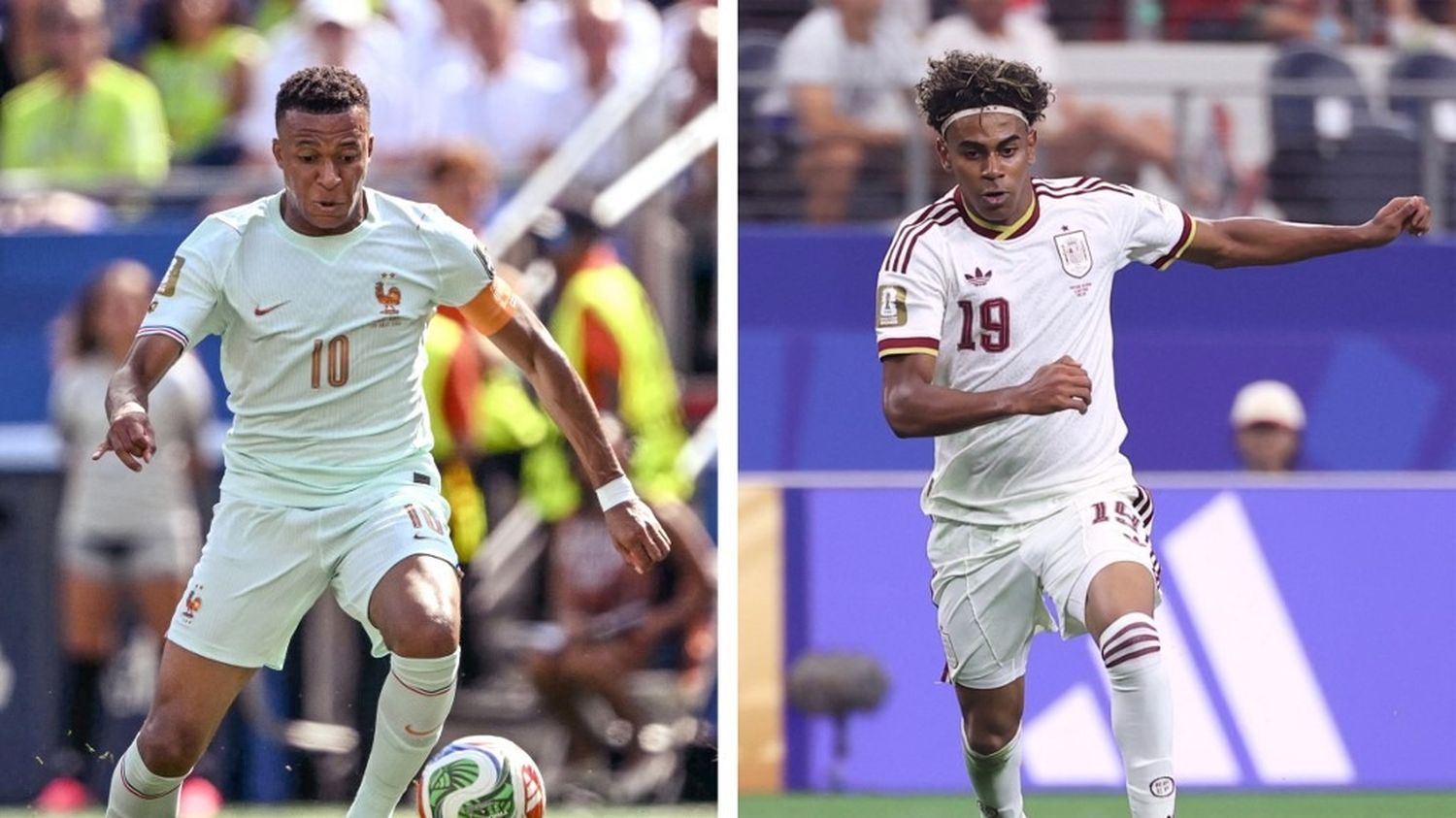
For the third time in three major tournaments over the past two years, France and Spain face off in the semi-finals of the 2026 World Cup.
“It’s no exaggeration to call this match the final before the final.” Spain’s head coach Luis de la Fuente didn’t mince his words after his team’s quarter-final win over Belgium, setting the stage for Tuesday’s high-stakes clash with France. Didier Deschamps, France’s manager, had already tipped Spain as his country’s biggest threat before a ball was kicked in this tournament. “The favorites? Spain, without a doubt,” he declared.
Defensive mastery meets relentless attack
Both teams have conceded just two goals each in this World Cup, placing them at the top of the rankings for best defenses. Spain has gone five matches without conceding, narrowly ahead of France, which has kept clean sheets in four games. The gap widens when compared to the other semi-finalists: Argentina and England have each let in six goals and managed only two clean sheets. Yet defensive solidity isn’t the only string to these teams’ bow.
“Expect a spectacular game.”
Didier Deschampsin press conference
The numbers back up their attacking prowess too. According to FIFA data, the two sides have combined for 110 shots on goal—only Belgium, with 112, has managed more. Argentina and England lag behind with 98 and 94 attempts respectively. While efficiency hasn’t always been perfect—Spain has scored just 11 goals, the lowest among semi-finalists, compared to France’s 16—both teams boast creative geniuses. Lamine Yamal for Spain and Michael Olise for France lead their squads in assists, each with five.
The power of the bench
Spain’s midfield depth is the envy of the tournament. Mikel Merino, introduced late against both Portugal and Belgium, scored the decisive goals in stoppage time in both games. With Rodri, Gavi, Pedri, and others, Spain’s midfield is a well-oiled machine. Rodri, the 2024 Ballon d’Or winner, tops the tournament’s passing charts with 629 completed passes. Yamal may have netted just once so far, but his dribbling creates space for teammates like Ferran Torres and Nico Williams, who has returned from injury.
France’s bench has been equally impactful. Bradley Barcola, introduced early in the tournament, scored within minutes of his first appearance and again as a starter against Sweden. Désiré Doué, who came on late against Paraguay, won a penalty that sealed victory. Players like Manu Koné, Malo Gusto, Warren Zaïre-Emery, and Rayan Cherki have consistently stepped up when called upon.
A rivalry fueled by recent dominance
The psychological edge belongs to Spain. Since the end of their golden generation (Euro 2008, World Cup 2010, Euro 2012), Spain has roared back to win Euro 2024 and the Nations League in 2025, knocking France out in both semi-finals. At Euro 2024, Spain dismantled a lackluster French side, winning 2-1. At the Nations League in 2025, Spain led 5-1 with 25 minutes left before France fought back to 5-4. “We know what we’re capable of, but we also know we’re the only team to have beaten them in two semi-finals,” said Luis de la Fuente. “If anyone should be feared, it’s us. We’ve already done it twice—let’s see what happens this time.”
Lamine Yamal echoed that confidence, albeit with a touch of provocation. “He can say what he wants,” responded Ibrahima Konaté, France’s defender. “We don’t fear anyone. We stay humble and don’t fall into their trap, especially at this stage of the competition.” History shows that when Spain enters a match brimming with such confidence—even going so far as to target a Real Madrid player for retirement—the French often respond with resilience. In the 1998 World Cup, a Spain side packed with Barcelona players faced a French team without a single Real Madrid player. The result? A 3-1 victory for France. This time, with Kylian Mbappé and Aurélien Tchouaméni in the French ranks, and eight Barcelona players in Spain’s squad, the stakes—and the drama—are even higher.