After a three-year lull in diplomatic relations, France and Morocco have marked a decisive turning point in their bilateral partnership during a high-level visit to Rabat this week. French Prime Minister Sébastien Lecornu’s two-day mission concluded with a series of agreements aimed at deepening cooperation across multiple sectors, from security to economic development.
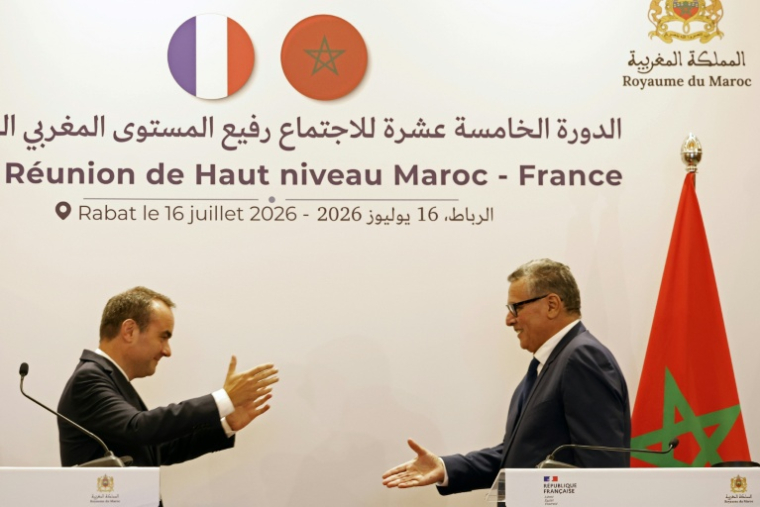
French Prime Minister Sébastien Lecornu (left) and Moroccan counterpart Aziz Akhannouch during a joint press conference at the Ministry of Foreign Affairs in Rabat
a renewed partnership with far-reaching ambitions
The French delegation led by Lecornu hailed the visit as a “pivotal moment” in bilateral relations, emphasizing the need to “scale up” cooperation—particularly in counterterrorism and security operations. The two nations have already achieved unprecedented operational successes in recent weeks, thanks to enhanced intelligence sharing and coordinated law enforcement efforts.
“Our goal is to strengthen the framework of cooperation and trust with Morocco,” a spokesperson for the Élysée Palace stated after the meetings. The visit comes as President Emmanuel Macron and King Mohammed VI explore the possibility of a reciprocal state visit, which would mark the first such trip by a Moroccan monarch to France in decades.
diplomatic breakthroughs and strategic alignment
Relations between Paris and Rabat took a sharp turn in mid-2024 when France formally recognized Morocco’s sovereignty over the disputed Western Sahara territory—a move that strained ties with Algeria. Since then, the two countries have worked to rebuild trust, culminating in Macron’s high-profile visit to Rabat in October 2024 and the signing of a landmark strategic partnership.
During Thursday’s discussions, French and Moroccan officials reviewed a dozen new agreements covering energy, infrastructure, and mobility. Among the most significant developments is the launch of a call for tenders to interconnect the two countries’ electricity grids, alongside new financing agreements between Morocco and France’s development agency for water infrastructure and the expansion of Rabat’s regional express rail network.
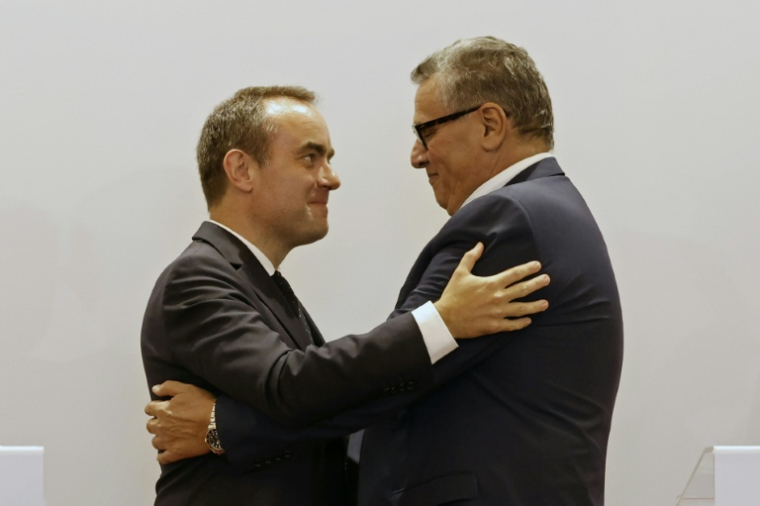
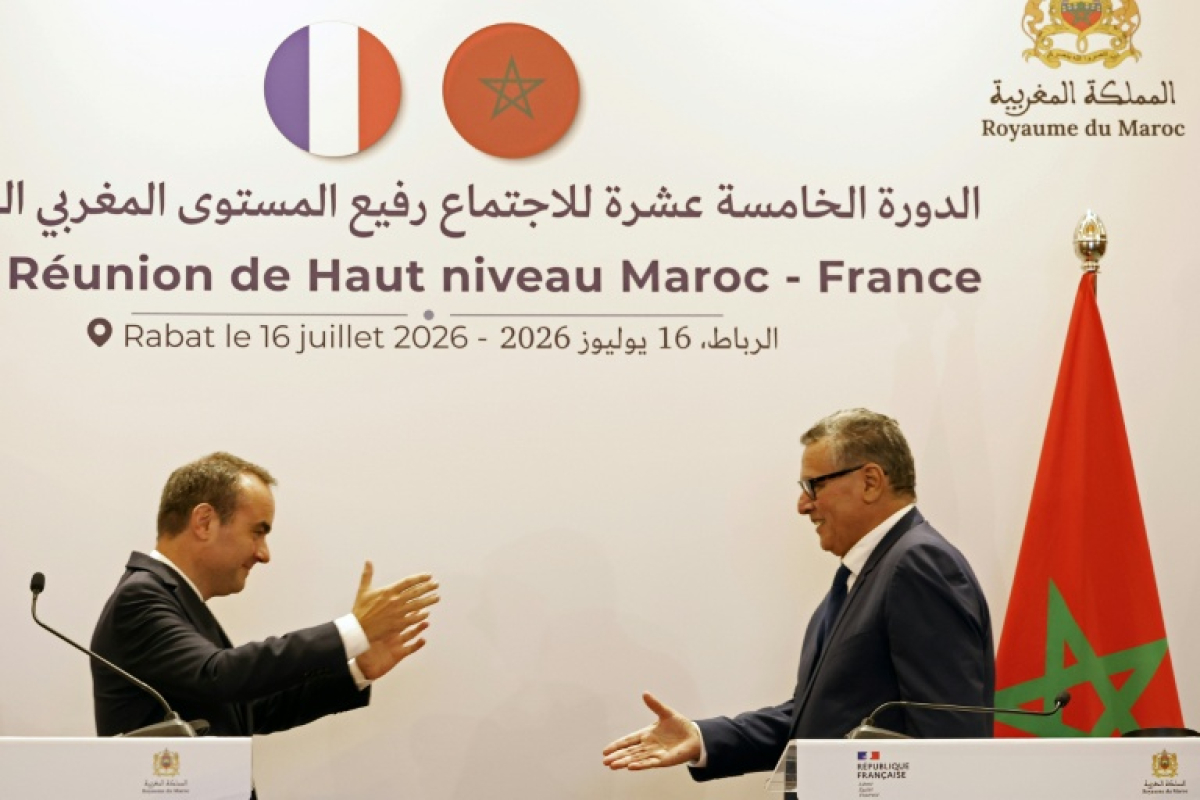
French Prime Minister Sébastien Lecornu (left) and Moroccan Prime Minister Aziz Akhannouch shake hands following their joint press conference
visa liberalization and mobility initiatives
In a bid to ease long-standing tensions over visa policies—particularly the 2021 restrictions that cut Moroccan visas by half—Lecornu announced plans to facilitate “circular mobility” between the two countries. The initiative targets entrepreneurs, students, and professionals seeking to travel between France and Morocco, signaling a commitment to deeper people-to-people exchanges.
security cooperation in the Sahel takes center stage
With the Sahel region facing persistent jihadist threats, France is increasingly prioritizing its partnership with Morocco over Algeria in security matters. While Algeria has resumed limited cooperation with Paris, Moroccan intelligence and operational support have proven critical in recent counterterrorism operations. “The African continent remains central to our shared interests,” Lecornu emphasized, noting the importance of joint deployment in the region.
Moroccan Prime Minister Aziz Akhannouch framed the partnership as a “strategic vision rooted in shared political will, renewed trust, and common ambition.” He underscored the historic nature of the agreements, describing them as a “first of their kind” for France outside the European Union.
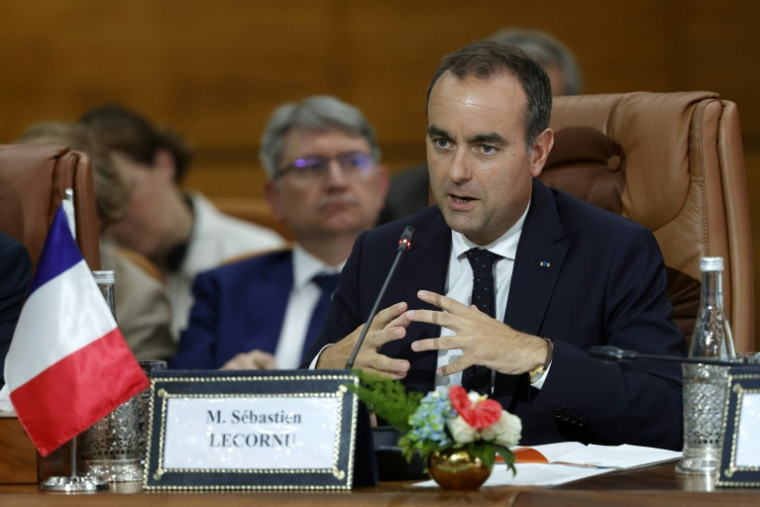
French Prime Minister Sébastien Lecornu delivers opening remarks during a plenary session with Moroccan ministers
addressing controversies and maintaining momentum
The visit was not without its challenges. International media outlets published fresh reports on Thursday alleging Morocco’s use of Pegasus spyware, a claim Rabat swiftly dismissed as “baseless and misleading.” French officials declined to comment on the allegations, with sources within the delegation dismissing them as “old news” that should not overshadow the progress being made.
The reduced press conference format—initially planned as a full Q&A session but ultimately limited to prepared statements—also drew attention, though officials attributed the change to logistical constraints rather than any underlying tension.
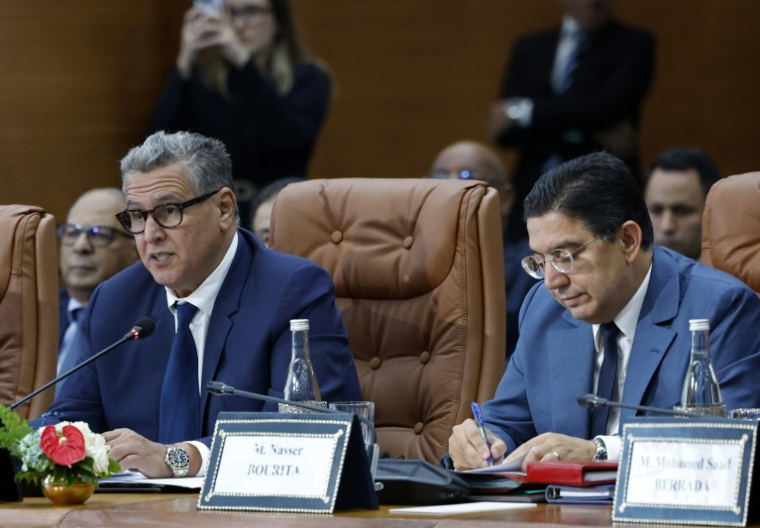
Moroccan Prime Minister Aziz Akhannouch (left) and Foreign Minister Nasser Bourita during a plenary session with the French delegation
As the 15th edition of the High-Level Consultation between the two delegations drew to a close, both sides expressed optimism about the future of their relationship. With Morocco now a cornerstone of France’s North African strategy, the stage is set for further collaboration in the years ahead.