ebola outbreak in democratic republic of Congo under global watch
The Democratic Republic of Congo (DRC) is grappling with a worsening Ebola crisis, with confirmed cases surpassing 1,000 in just one month. The outbreak, primarily concentrated in the eastern provinces of Ituri, North-Kivu, and South-Kivu, is exacerbated by ongoing conflicts, mass displacements, and severely limited access to healthcare.
While the situation remains largely confined to central Africa, the detection of an imported case in France has underscored the potential for international spread—though authorities emphasize that the risk remains minimal thanks to robust surveillance and containment measures. The interplay of conflict zones and health infrastructure gaps raises critical questions about the virus’s transmission dynamics and the looming threat of further escalation.
escalating crisis in eastern provinces
The eastern DRC, particularly Ituri, North-Kivu, and South-Kivu, has become the epicenter of the outbreak. These regions, already plagued by years of instability, face an uphill battle in containing the virus. Disrupted supply chains, damaged healthcare facilities, and frequent population movements create an environment where Ebola can thrive unchecked. The combination of armed clashes and a fragile health system has turned containment into a daunting challenge.
Health teams on the ground report that the virus is spreading at an alarming rate. The lack of reliable transportation and security concerns further hinder efforts to trace contacts, administer vaccines, and provide critical care to those infected. Without immediate and sustained intervention, the crisis risks spiraling beyond control.
international implications and response
The confirmation of an Ebola case in France, linked to the DRC outbreak, has sent shockwaves through global health circles. While the risk of widespread international transmission is currently deemed low, the incident has reignited discussions about the world’s preparedness for cross-border health threats. Health authorities stress that existing protocols—including strict isolation measures and rapid response teams—are effectively minimizing risks.
However, the episode has also highlighted vulnerabilities in global health security. The ease with which the virus crossed borders underscores the need for stronger international collaboration, proactive surveillance, and equitable access to medical countermeasures. Experts warn that complacency could lead to unforeseen consequences, particularly in regions with porous borders and high mobility.
The crisis in the DRC serves as a stark reminder of the interconnected nature of global health. A localized outbreak in a conflict-ridden area can quickly become a matter of international concern, demanding coordinated action from governments, NGOs, and global health organizations.
challenges in containment and public health
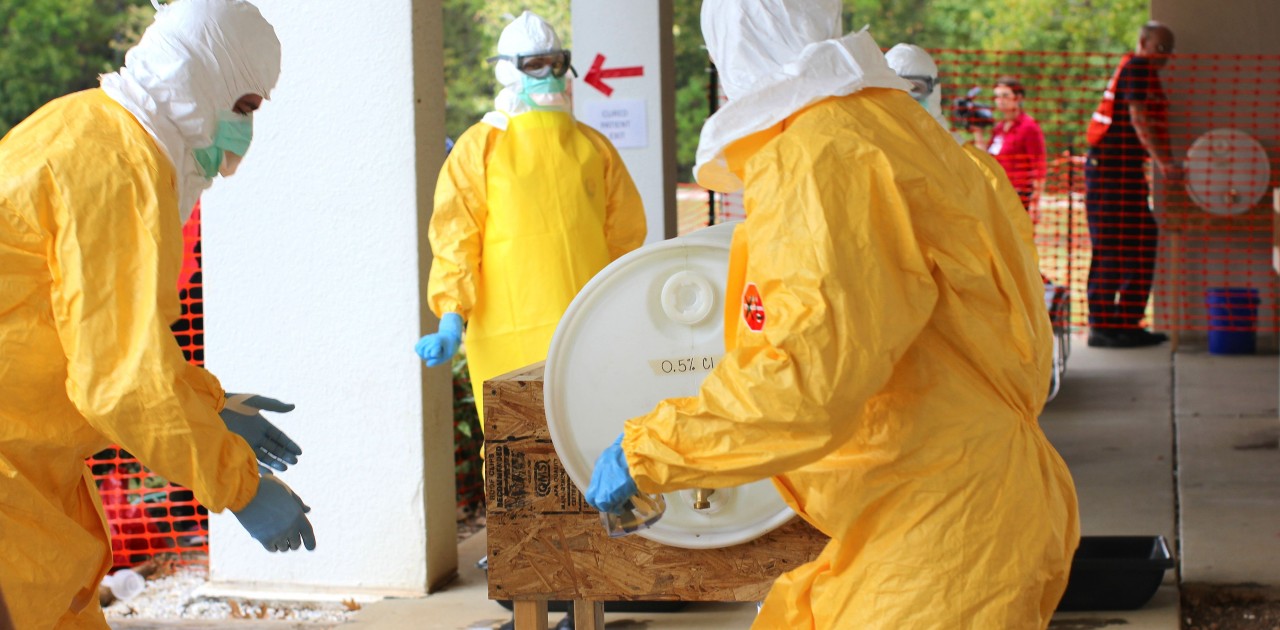
Controlling the Ebola outbreak in the DRC is fraught with obstacles. The virus’s high fatality rate, combined with the logistical hurdles of operating in active conflict zones, creates a perfect storm for rapid transmission. Health workers face immense risks, often working under armed guard to deliver care and vaccines. The strain on already overburdened healthcare systems is evident, with shortages of medical supplies and personnel exacerbating the situation.
Community engagement is another critical factor in curbing the spread. Misinformation, distrust of authorities, and cultural practices that facilitate transmission pose significant barriers to containment efforts. Health teams are working tirelessly to educate communities, dispel myths, and foster trust, but progress is slow in areas where access is restricted or outright denied.
Efforts to vaccinate at-risk populations have shown promise, but the scale of the outbreak demands a more aggressive and sustained response. The global health community is rallying to provide support, but the challenges on the ground remain formidable. Time is of the essence, and delays in action could have devastating consequences.
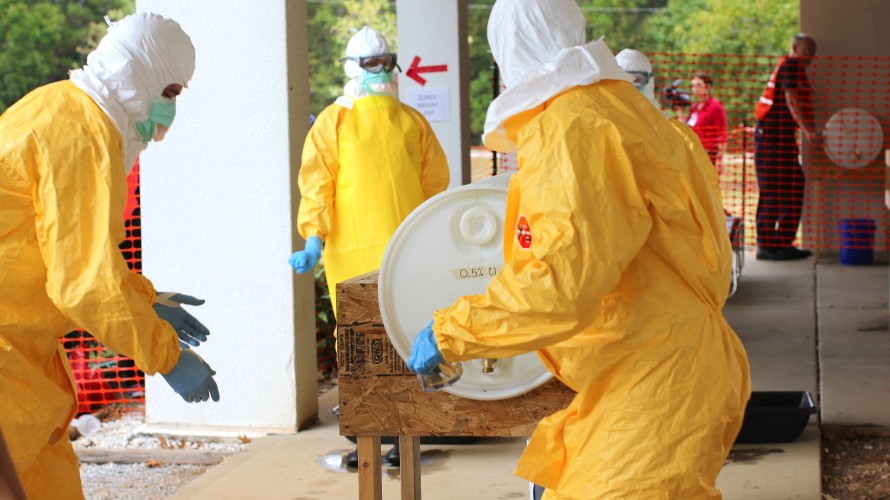
Microscopic view of the Ebola virus, a reminder of the urgent health crisis unfolding in the DRC.