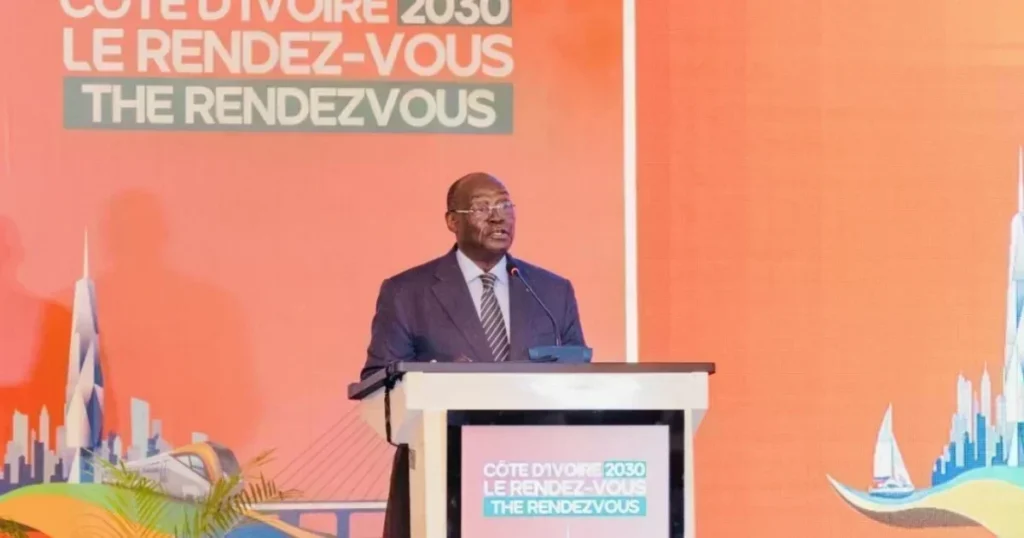
The Côte d’Ivoire has achieved a remarkable milestone by securing international investments far exceeding initial projections, marking a pivotal moment for its economic trajectory. With commitments totaling over 80 billion dollars, the country is poised to accelerate its National Development Plan (NDP) through 2030, signaling robust investor confidence in its stability and growth potential.
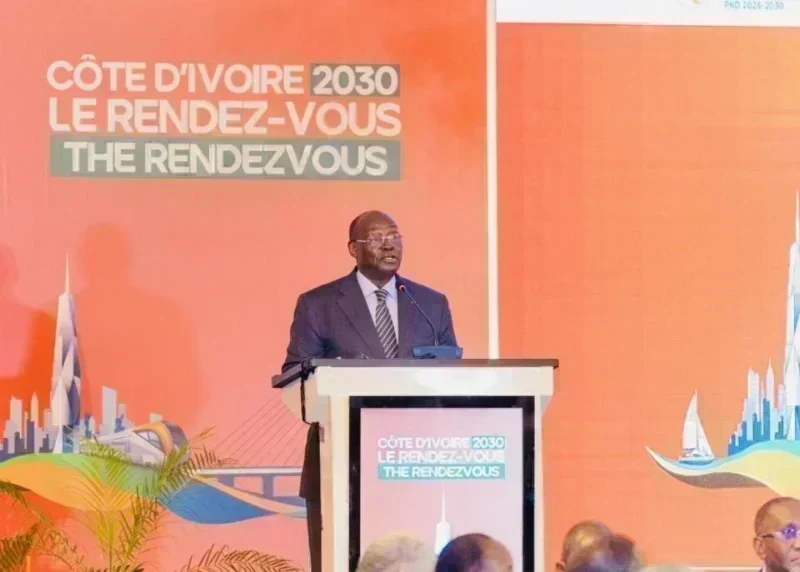
Economic observers highlight the Ivorian economy’s impressive resilience, with an average growth rate of 6.5% over recent years—a stark contrast to the turmoil of the early 2000s. This stability has been instrumental in drawing global investors, who now view the country as a prime destination for long-term capital infusion.
Key sectors earmarked for transformation include agriculture, which contributes 20% of GDP, alongside ambitious initiatives to nurture national champions, modernize infrastructure, and enhance security measures. A highlight of the NDP is the planned high-speed rail network, a testament to the country’s commitment to regional connectivity and economic integration.
Unprecedented financial commitments from global partners
Initially targeting approximately 20 billion dollars in public financing, Côte d’Ivoire surpassed expectations by securing over 80 billion dollars in commitments from international development partners. The Minister of Planning, Souleymane Diarrassouba, emphasized the overwhelming support, stating, “All our economic indicators are nearly perfect,” adding that the private sector is expected to contribute more than 70% of the total NDP funding, amounting to over 147 billion dollars.
The total financing package for the NDP now stands at 209 billion dollars, with the Ivorian government also playing a significant role in its realization. This financial windfall follows a successful 1.3-billion-dollar sovereign bond issuance in February, achieved at exceptionally favorable interest rates for an emerging market.
Further bolstering the nation’s financial outlook, the International Monetary Fund (IMF) recently approved a disbursement of nearly 833 million dollars under its various assistance programs. While acknowledging the country’s resilient economy, the IMF projects a slight moderation in growth to 6% in 2026, down from 6.5% in 2025, alongside a modest inflation rise to around 3.3% this year.
Côte d’Ivoire’s economic evolution reflects a deliberate shift from its traditional agricultural base toward diversification. Recent discoveries in mining, oil, and gas sectors have opened new avenues for sustainable development, positioning the country as a rising star in West Africa’s economic landscape.
You may also like
Mali: at least 80 soldiers killed in deadly assault on Dioura camp
Côte d’Ivoire : le Burida redistribue 795,4 millions FCFA à 5 435 créateurs
Paris FC vs Lyon: kick-off time and TV channel for the Ligue 1 clash
Niger: does Tiani’s purge expose hidden fractures at the top?
Everest Finance dévoile Sama Naffa, une épargne à petits pas au Sénégal