The return of Formula 1 to Africa is no longer just a rumour. Rwanda has secured a ten-year agreement to host a Grand Prix on a purpose-built circuit in Bugesera, roughly 40 kilometres south of Kigali. The announcement, made in the Rwandan capital, has triggered a wave of reactions — from excitement about the continent’s comeback to hard questions about costs, timelines and who ultimately benefits.
Africa back on the grid after three decades
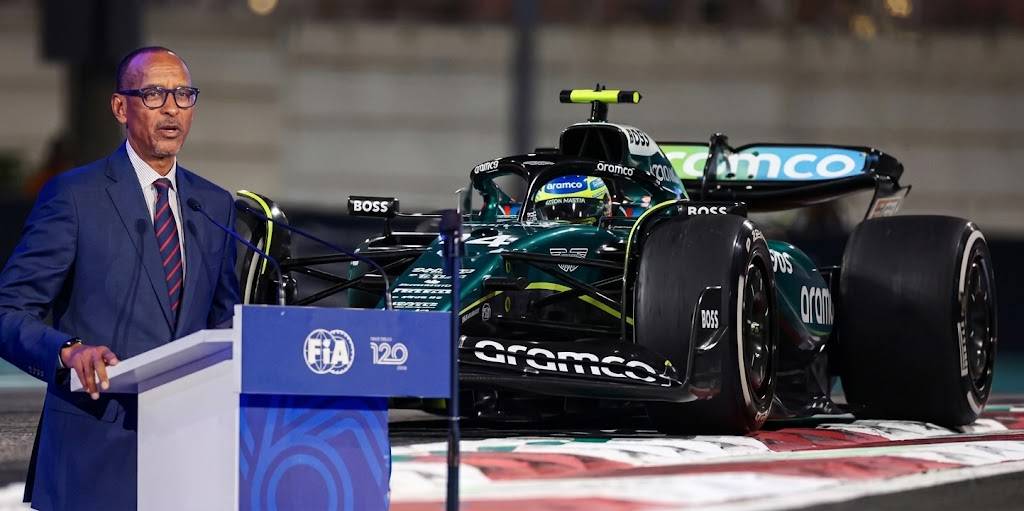
Formula 1 has been absent from African soil since the 1993 South African Grand Prix. The new deal, unveiled in Kigali in the presence of President Paul Kagame, Formula 1 CEO Stefano Domenicali and FIA President Mohammed Ben Sulayem, aims to end that drought at the start of the 2030s. For the Rwandan government, the agreement is a centrepiece of a broader strategy to project influence through sport and tourism.
“Today belongs to Africa,” Kagame said, describing the partnership as long overdue and expressing hope that it would pave the way for more races across the continent.
What happens next at Bugesera
The proposed circuit will rise near Bugesera’s new international airport, a location chosen to ease logistics for teams, sponsors and international fans. The track must meet FIA technical standards to host the fastest cars in the world, and its design is being shaped by Wurz Design — led by former driver Alex Wurz — alongside Tilke Engineers and Architects, a firm with extensive experience in international circuit construction. Organisers say the layout will make the most of Rwanda’s hilly terrain and dramatic elevation changes.
Beyond race weekends, promoters envision a multi-purpose venue hosting other motorsport events, concerts, conferences and international gatherings. The aim is to keep economic activity going year-round rather than confining the benefits to a few days of competition.
Reactions: optimism tempered by unanswered questions
The announcement has drawn a mix of enthusiasm and scrutiny. Supporters point to the visibility and investment that a global sporting brand can bring. Critics, meanwhile, are asking how much public money will be required, whether the infrastructure can be completed on schedule, and how ordinary Rwandans will share in the gains. The exact date of the first edition remains unconfirmed, and the project’s realisation will depend on construction progress and the completion of supporting infrastructure.
- Economic hopes: hospitality, catering, transport, security, communications and event services are all expected to see increased demand.
- Jobs and skills: authorities speak of opportunities for young people in technical training, entrepreneurship and automotive engineering.
- Tourism boost: the circuit’s proximity to the airport is designed to strengthen Rwanda’s position as a destination for business and major global events.
A wider events strategy already in motion
Rwanda has been building a reputation as a host nation. It staged the UCI Road World Championships in 2025 and has welcomed major football and basketball fixtures, all under the promotional umbrella of the “Visit Rwanda” brand. Formula 1 data suggests the championship already counts more than 100 million fans across Africa, a young audience that the series hopes to engage more deeply.
Outlook: from signature to substance
The deal is signed, but the hard part begins now. Turning a ten-year contract into a functioning Grand Prix — and into lasting benefits for local businesses and residents — will require disciplined execution, transparent budgeting and sustained political commitment. For Kagame, the measure of success will be whether the spectacle translates into tangible skills and livelihoods. For Africa’s motorsport community, the hope is that Bugesera becomes a starting point, not a one-off.