New directive aims to protect troop positions and operations
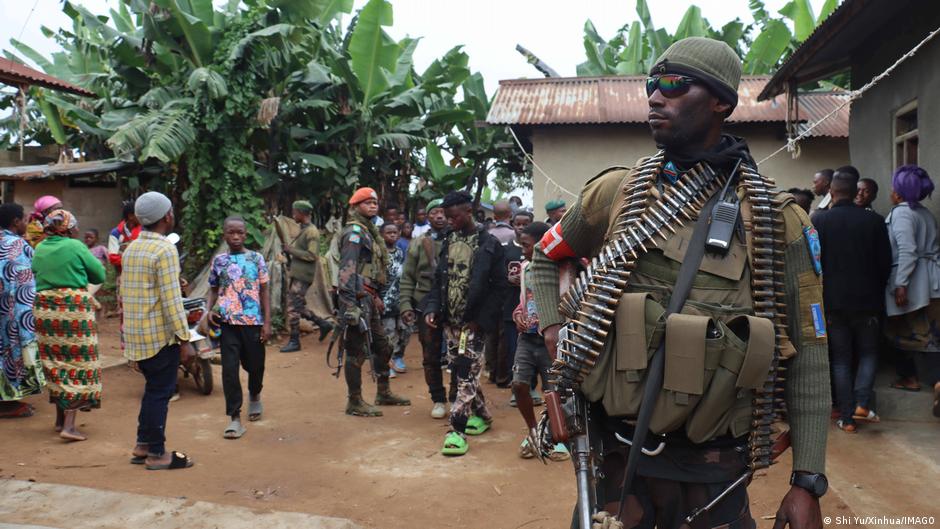
The Armed Forces of the Democratic Republic of the Congo (FARDC) have issued a strict ban on military personnel using smartphones during operations, citing serious risks to troop safety and mission success. Authorities warn that unchecked smartphone use has compromised multiple operations in the eastern regions, where armed groups remain highly active.
In the volatile South Kivu province, particularly in areas like Uvira and Fizi, soldiers have long relied on personal devices to maintain contact with families, share updates, or document their experiences. However, the new directive prohibits all unauthorized use, including posting operational details, troop movements, or images on social media or messaging platforms.
A local soldier, who requested anonymity, shared his perspective on the ban: “I’ve always carried my phone into combat to stay in touch with my family. They need to know I’m still alive—the battlefield is a matter of life and death. While I understand the risks, I hope this rule doesn’t come with flawed strategic retreats that weaken our efforts.”
Security risks drive the crackdown
Lt. Col. Mak Hazukay, interim spokesperson for the FARDC, emphasized the dangers of smartphone use in combat zones. “A single misstep—like leaving a device on or sharing location data—can expose our positions to enemy forces, leading to ambushes or targeted attacks,” he stated in a recent statement. The military has urged strict compliance, warning against sharing troop numbers, missions, or any operational imagery.
Civil society leaders, such as Kelvin Bwija, coordinator of the Congolese Civil Society (Socico) in Uvira, have welcomed the measure. “This is a positive step. Some soldiers have exploited phones to collude with enemies, leaking critical information. As civil society, we fully support this decision.”
Balancing communication and operational secrecy
Human rights advocate Maître Aimé Bisimwa acknowledged the role of smartphones in daily life but stressed the need for military discipline. “This isn’t a violation of communication rights. Soldiers worldwide must prioritize operational secrecy. They’ve sworn to serve under the flag, even at the cost of their lives.”
The ban comes as fighting intensifies in South Kivu’s highlands and plateaus, where the FARDC-Wazalendo coalition, backed by Burundian forces, clashes with the AFC/M23–Twirwaneho rebel alliance, reportedly supported by Rwanda.