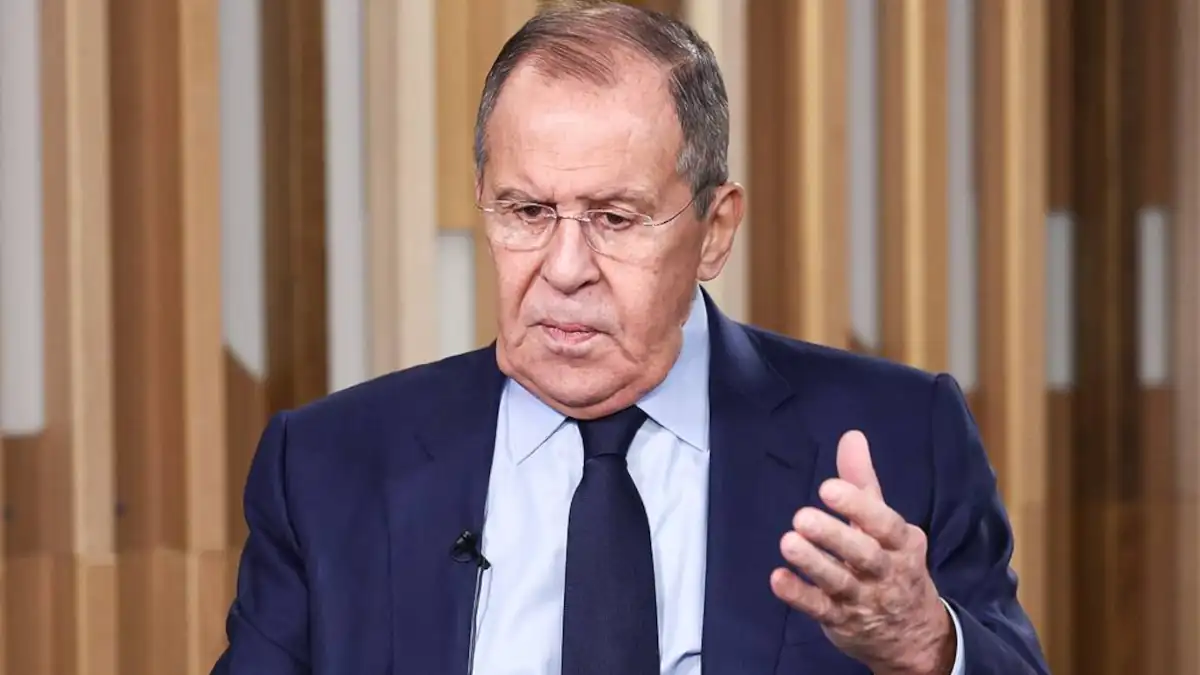
The diplomatic tour of Eastern Africa has unexpectedly become another battleground for rhetoric between Moscow and Kiev. On July 10, during a press conference in Bujumbura alongside Burundian Foreign Minister Édouard Bizimana and President Évariste Ndayishimiye—current chair of the African Union—Russia’s Foreign Minister Sergueï Lavrov leveled serious allegations. He claimed that Ukrainian nationals were supporting the M23 rebel group in the eastern Democratic Republic of Congo, alongside Congolese forces and Burundi.
Kiev wasted no time in dismissing the accusation. The next day, Ukraine’s foreign ministry spokespeople firmly denied any involvement, labeling Lavrov’s remarks as baseless disinformation. They countered by accusing Russia of violating international sanctions by arming armed factions and recruiting fighters from African nations to join the conflict in Ukraine. According to Ukrainian officials, Moscow’s strategy aims to undermine American mediation efforts in the Great Lakes region.
Unverified claims emerge in Bujumbura
During the joint press conference, Lavrov provided no concrete evidence to support his claims. The M23, a UN-sanctioned armed group, has controlled large areas of North and South Kivu since seizing Goma in January 2025. Multiple UN expert reports have documented its supply lines, primarily linked to the Rwandan Defense Forces. Lavrov’s allegations, however, remain unsubstantiated, with no specific details on the nature or extent of Ukrainian involvement.
Ukraine’s foreign ministry spokesman, Heorhii Tykhyi, dismissed Lavrov’s accusations as fabricated, pointing instead to Russia’s own history of destabilizing African nations. He highlighted Moscow’s alleged role in recruiting fighters from the region and arming non-state actors, actions that violate international sanctions and threaten regional stability.
A shadow from Mali complicates Kiev’s denial
In late July 2024, a convoy of Russian Wagner mercenaries and Malian soldiers fell into an ambush set by Tuareg rebels and the Group for the Support of Islam and Muslims (JNIM) in northern Mali. The attackers claimed to have inflicted heavy casualties on both sides. Days later, Ukraine’s military intelligence chief, Andriï Yusov, asserted in a public statement that his services had provided the assailants with “all necessary intelligence.” Kiev later retracted this claim, but the damage was done. By August 2024, Mali, Niger, and Burkina Faso had severed diplomatic ties with Ukraine. Bamako has since escalated the issue at the United Nations Security Council.
Sudan’s conflict echoes similar narratives
The civil war in Sudan, which began in April 2023 between the Sudanese Armed Forces and the Rapid Support Forces (RSF), has also seen parallel accusations. By late 2023, reports surfaced about a covert Ukrainian unit, codenamed “Timur,” operating within the conflict zone. While Kiev neither confirmed nor denied these reports, unverified videos from January 2024 showed drone strikes attributed to this group targeting Russian mercenaries and allied fighters. By October 2025, the Sudanese military announced the deaths of foreign combatants, including Colombians and Ukrainians, fighting alongside the RSF in El-Fasher.
These past controversies cast doubt on Ukraine’s denial of involvement in the Congo. In Mali, an official spokesperson initially claimed responsibility before retracting. In Sudan, ambiguity persists without resolution. As of now, no Ukrainian source—official or otherwise—has substantiated a link to the M23. The Congolese case remains unproven, while Lavrov continues his diplomatic tour ahead of the third Russia-Africa Summit scheduled for October 28–29 in Moscow.