diplomacy fails to resolve DRC crisis as rwandan support persists
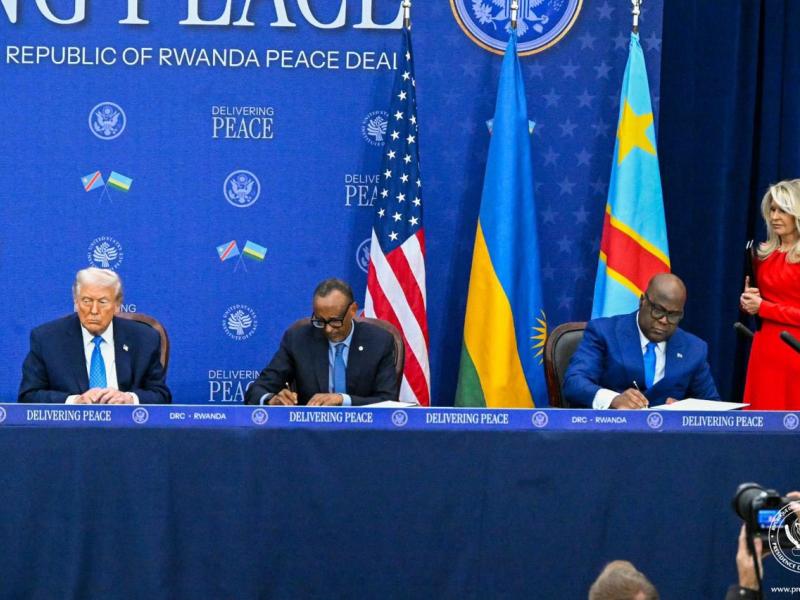
Kinshasa — The much-anticipated diplomatic initiatives—Washington, Doha, and Montreux—have yielded little more than symbolic gestures in the Democratic Republic of the Congo (DRC) conflict. A recent United Nations expert report reveals a stark reality: these high-profile agreements have produced limited results, with no meaningful withdrawal of foreign forces or sustainable peace.
rwandan military presence continues despite withdrawal pledges
The report highlights that the announced withdrawals of Rwandan Defence Forces and M23 rebels amounted to little more than tactical repositioning. Troops and equipment, including advanced anti-aircraft systems, continued to flow into eastern DRC until April 2026. No substantial withdrawal has occurred since then.
The Group of Experts documented movements of up to 15-20 kilometers in some areas, but these were not true retreats. Instead, they served as maneuvers to regroup forces while maintaining operational capabilities. The persistence of Rwandan military support has fueled ongoing violence in the North Kivu and South Kivu provinces.
DRC’s own obligations remain unmet
While international actors have focused on external actors, the DRC government has also failed to fulfill its commitments. The report criticizes Kinshasa for not disarming the Democratic Forces for the Liberation of Rwanda (FDLR), a rebel group operating in eastern DRC. Despite promises, these forces continue to fight alongside the Congolese Armed Forces (FARDC), exacerbating tensions.
internal divisions weaken the M23
A surprising revelation emerged about the M23 rebel coalition: not all factions support the group’s broader ambitions. While figures like Corneille Nangaa and Joseph Kabila reportedly sought to expand operations beyond eastern DRC, most military leaders of the M23 opposed such moves. This internal split underscores a growing disconnect between political aspirations and military feasibility within the rebel group.
what’s next for the DRC?
The report paints a grim picture: diplomatic efforts have fallen short, foreign support for rebel groups persists, and internal divisions further complicate peace efforts. Without genuine commitment from all parties—both regional and domestic—stability in the DRC remains elusive.
As the international community re-evaluates its strategies, the people of eastern DRC continue to pay the price—caught in a cycle of violence with no end in sight.