Dengue outbreak in Burkina Faso reaches crisis levels
Since January, a severe dengue outbreak has claimed 214 lives in Burkina Faso, with most cases concentrated in the capital Ouagadougou and Bobo-Dioulasso, the country’s second-largest city, the government announced.

Health authorities confirmed the figures
The Aedes albopictus mosquito, commonly known as the tiger mosquito, has proliferated across Burkina Faso, triggering a major dengue outbreak. According to official figures, 50,478 suspected dengue cases were reported from January to mid-October 2023, including 25,502 probable cases and 214 fatalities.
Health authorities noted that 10,117 new suspected cases were reported in just one week (October 9–15), with 4,377 probable cases and 48 deaths. While dengue remains active in Ouagadougou and Bobo-Dioulasso, this mosquito-borne tropical disease—which can range from mild flu-like symptoms to life-threatening complications—is accompanied by chikungunya, another Aedes-transmitted virus. Over 200 chikungunya cases have been recorded since September, health minister Robert Lucien Jean-Claude Kargougou confirmed.
Urgent health response underway
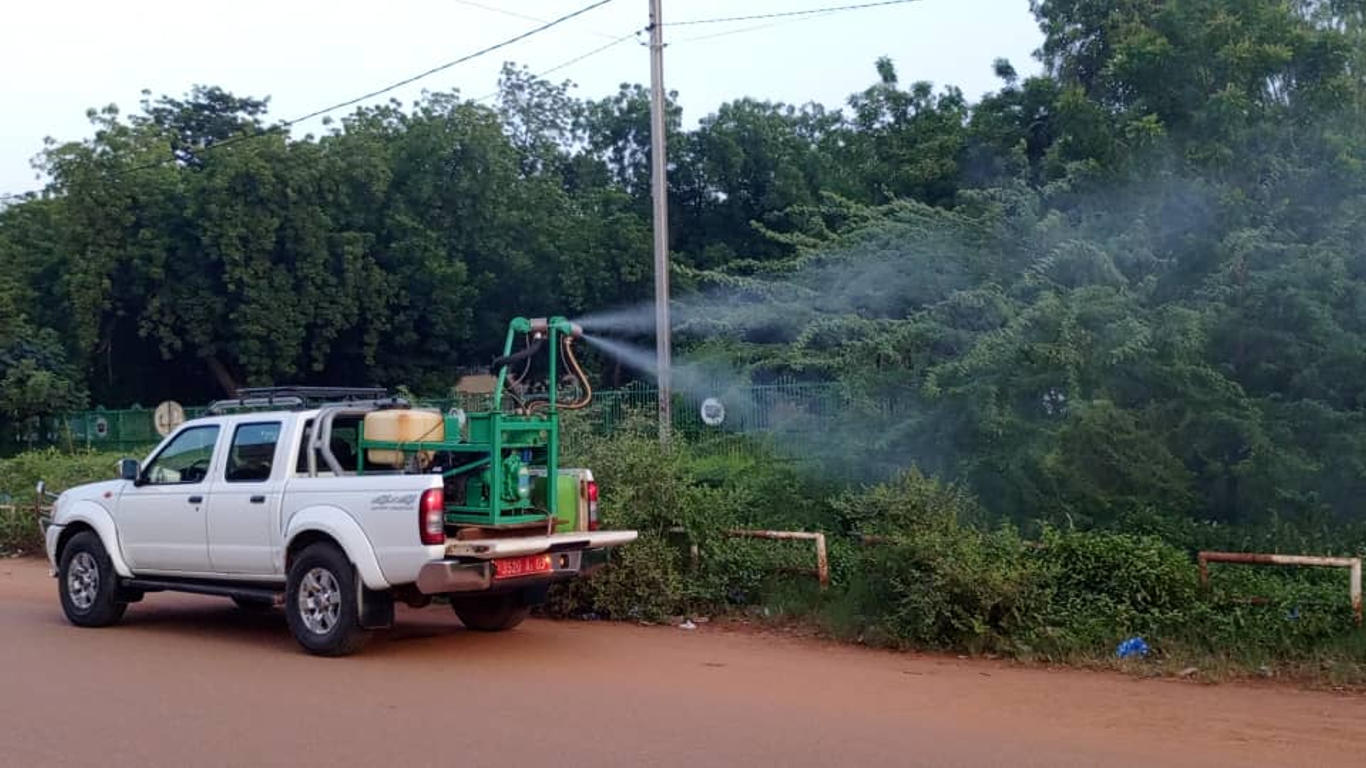
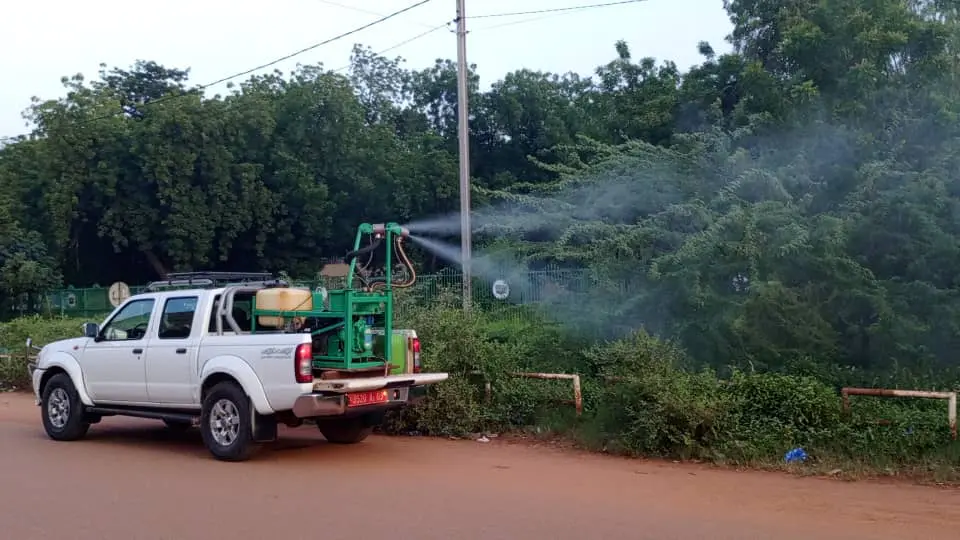
Rising temperatures and intense rainfall have created ideal conditions for tiger mosquitoes and dengue virus transmission. “To effectively respond to this health crisis, measures have been implemented, including free rapid diagnostic tests in public health facilities”, stated the health minister. A large-scale mosquito control spraying campaign has also been launched in the two hardest-hit cities.
While Burkina Faso has reported dengue cases since the 1960s, its first confirmed outbreak occurred in 2017, resulting in 13 deaths. Transmitted through the bite of an infected mosquito—similar to malaria, which shares similar symptoms—dengue thrives in tropical regions, particularly in urban and semi-urban areas. The World Health Organization estimates 100 to 400 million infections occur globally each year.
Dengue can cause severe fever, headaches, nausea, muscle pain, and in severe cases, life-threatening hemorrhages. Early detection and mosquito control are critical to preventing further spread and fatalities.
Related Posts
Congo crisis as opposition protests fail to sway government
Kinshasa’s streets remained largely deserted on Wednesday afternoon as the capital of the Democratic Republic of the Congo (DRC) emerged…

Bénin: Romuald Wadagni unites nation with solemn tribute to security forces
Bénin: Romuald Wadagni unites nation with solemn tribute to security forces In a speech marked by restraint and gravitas, President…
Mali : L’armée et des milices ont massacré des villageois dans une région du centre
Click to expand Image (Nairobi) – L’armée malienne et des milices alliées ont tué au moins 31 civils et incendié des…