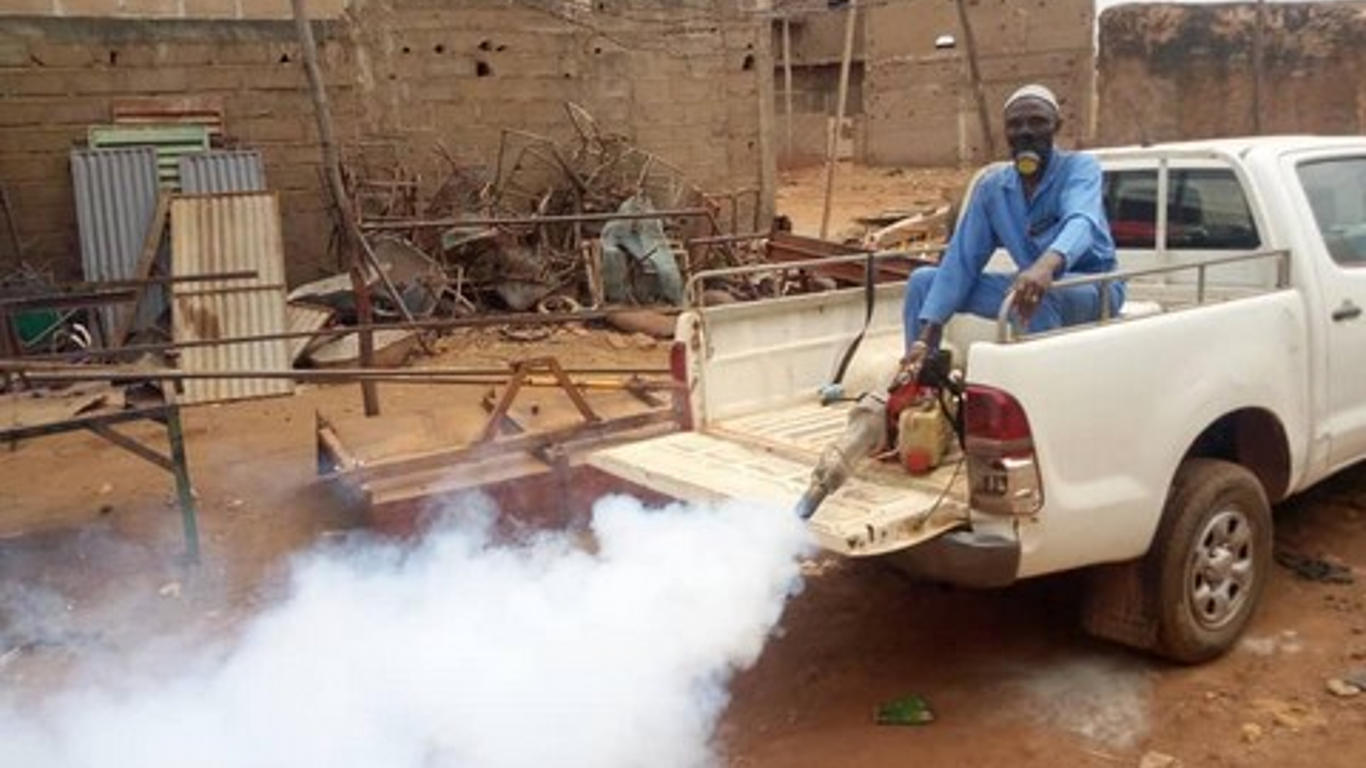
Dengue outbreak in Mali: what you need to know about the spreading mosquito-borne disease
Health authorities in Mali are on high alert following the confirmation of a dengue fever outbreak. While the country recovers from recent conflict in its northern regions, this viral infection transmitted by mosquitoes has emerged as a new public health concern.

Health desk report
Mali’s health services are currently monitoring a concerning rise in dengue fever cases. This painful viral infection, spread through mosquito bites, can be easily mistaken for malaria due to overlapping symptoms — a key reason why the disease often goes undetected in African regions. However, health officials have now confirmed its presence within the country.
“Most cases are affecting adults and men,” reports Kalif Keita, Deputy Director General of Public Health and Hygiene. So far, 12 confirmed cases have been identified in specific neighborhoods of Bamako, as well as in the Kalaban Coro and Koulikoro Districts.
Dengue in Mali: a recurring health challenge
This isn’t Mali’s first encounter with dengue. The disease was first detected in the country back in 2008. Since then, outbreaks have reappeared multiple times — notably in 2017 and 2019. Following the recent dengue surge in neighboring Burkina Faso, Malian authorities have intensified their surveillance efforts. However, comprehensive data on dengue epidemics across Africa remains scarce, largely due to limited diagnostic resources and the difficulty in distinguishing dengue from malaria based on symptoms alone.
Staying alert: prevention and protective measures
With the situation evolving, maintaining vigilance is crucial. Both residents and travelers in Mali — whether arriving or returning from affected areas — should take precautions to prevent mosquito bites. Simple yet effective measures can significantly reduce the risk of infection.
Key prevention tips include:
- Using insect repellents containing DEET or picaridin
- Wearing long-sleeved clothing, especially during dawn and dusk when mosquitoes are most active
- Installing window and door screens to keep mosquitoes out
- Eliminating standing water sources where mosquitoes breed
- Using mosquito nets when sleeping, particularly in high-risk areas