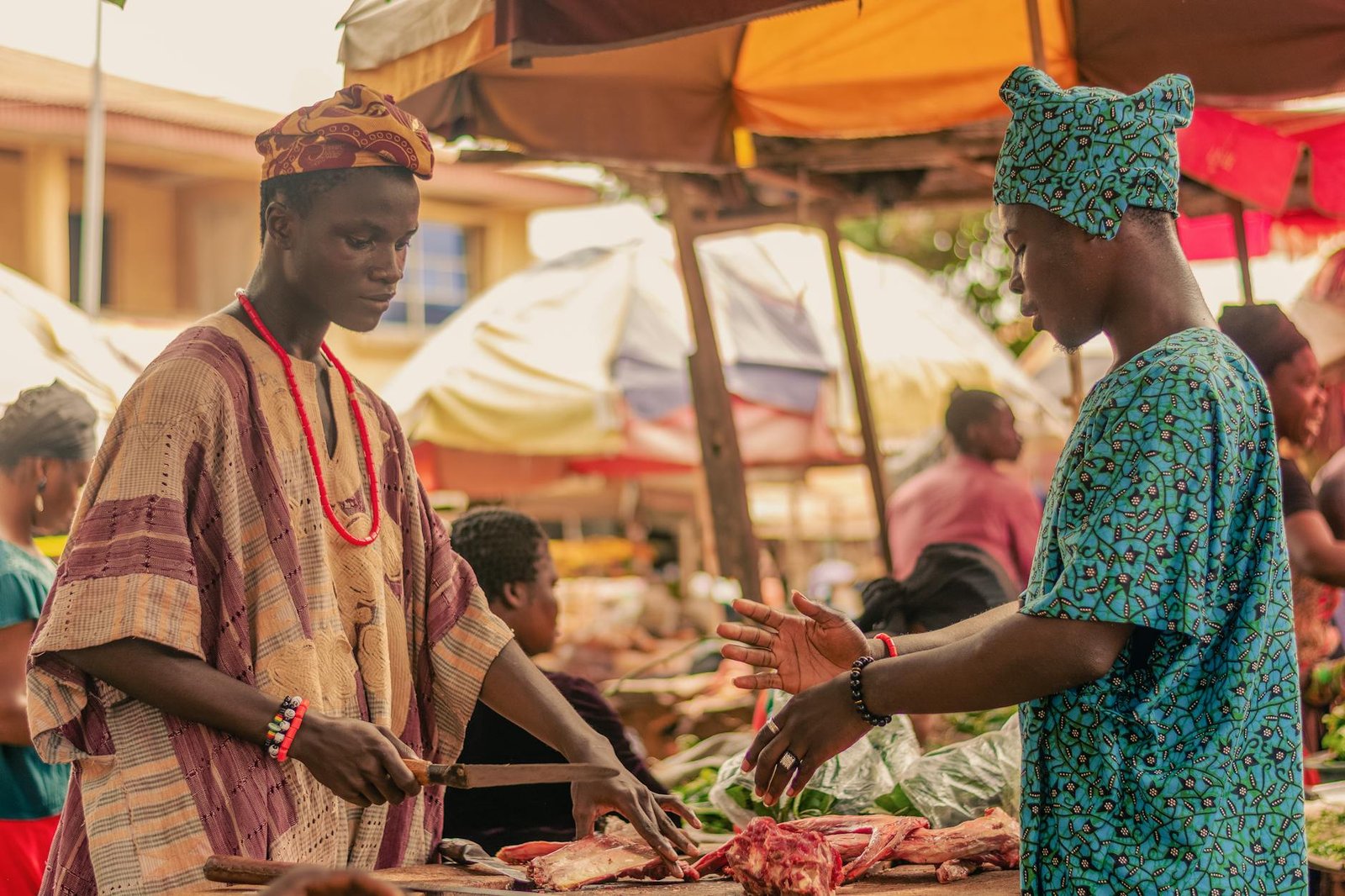
With the holy festival of Eid al-Adha, known locally as Tabaski, just weeks away, Côte d’Ivoire’s National Council Against the High Cost of Living (CNLVC) is implementing a strategic initiative focused on domestic production to maintain stable sheep prices in the market. This governmental body, operating under the Ministry of Commerce, views enhanced local livestock farming as the most immediate solution to meet the extraordinary demand that characterizes Tabaski, a period during which tens of thousands of sheep are sold within a few days.
Strengthening local sheep production in Côte d’Ivoire
Côte d’Ivoire has historically relied heavily on the Sahelian livestock basins, particularly Mali, Burkina Faso, and Niger, for its supply of small ruminants. This dependency often leads to significant price hikes during seasonal peaks, as Sahelian breeders prioritize more lucrative markets and logistical expenses surge. By emphasizing national supply, the CNLVC aims to reduce this external vulnerability and smooth out retail price fluctuations in major urban centers, most notably Abidjan.
In practice, the framework involves mobilizing Ivorian livestock farmers and fostering improved coordination among all stakeholders in the supply chain, from producers to final retailers. A dedicated monitoring unit actively tracks market trends and engages in dialogue with professional organizations to preempt potential supply shortages. However, the local sheep farming sector remains relatively modest when compared to the demand of several hundred thousand animals needed for Tabaski alone, which currently limits the immediate impact of domestic efforts.
Addressing the high cost of living: a political priority in Abidjan
The issue of purchasing power holds a sensitive position on the Ivorian authorities’ agenda. Since its re-establishment, the CNLVC has launched numerous targeted operations on essential consumer goods, ranging from foodstuffs to basic necessities. Tabaski, with its intense commercial activity and profound symbolic significance for the country’s Muslim communities, serves as a crucial real-world test of these mechanisms’ effectiveness.
For the government, the stakes extend beyond mere price regulation. It also involves supporting a sector with substantial potential for rural employment, especially in a country where demographic growth fuels a continuous demand for animal protein. The development of local livestock aligns with the National Livestock Development Program, which has, for several years, sought to reduce the nation’s reliance on imported meat and dairy products.
Navigating logistics, regional integration, and strategic challenges
Achieving stable sheep prices for Tabaski cannot, however, ignore the necessity of regional cooperation. The vital supply corridors linking Sahelian production areas to Ivorian markets remain indispensable, and their smooth operation dictates overall supply availability. Security concerns in certain parts of the Sahel, intermittent border closures, and rising transportation costs all erode profit margins, ultimately impacting consumers in Abidjan.
Consequently, the CNLVC intends to combine the mobilization of national supply with rigorous monitoring of import channels and a determined fight against speculative practices. This multi-dimensional approach reflects a structural understanding of the high cost of living, acknowledging that short-term, reactive regulation is no longer sufficient. For industry operators, the credibility of this strategy will be measured by the authorities’ ability to prevent a price surge comparable to those observed in previous years, when the cost of an average-sized sheep frequently exceeded 150,000 FCFA in Abidjan’s markets.
The challenge remains demanding. It necessitates a significant expansion of local livestock operations, close coordination with Sahelian partners, and heightened vigilance over distribution margins. In the short term, the perceived purchasing power of Ivorian households will be determined in the livestock pens and on market stalls. The CNLVC is determined to transform the upcoming Tabaski into a clear demonstration of its stabilization strategy’s efficacy.