Listen to the articleAbout 3 min
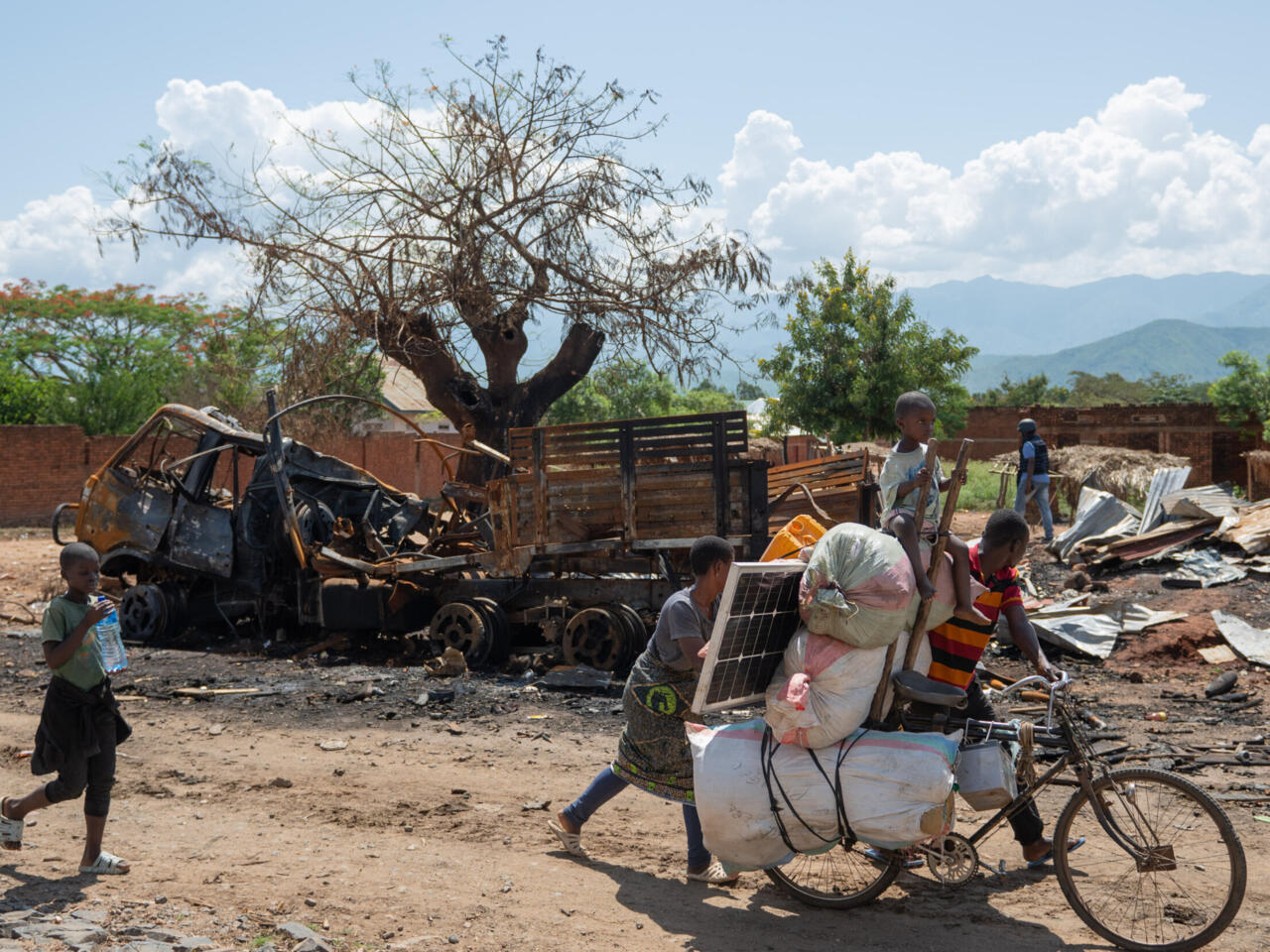
Niger is currently grappling with a profound humanitarian challenge, as more than one million individuals find themselves forcibly displaced. A significant portion of these — over half — are internally displaced persons (IDPs), primarily concentrated in two southern regions of the country that are severely affected by the activities of extremist groups. The remaining displaced population consists of refugees and asylum seekers, all in urgent need of assistance within what observers describe as a “complex” environment.
Among the internally displaced in Niger, numbering over half a million, more than fifty percent are children, and women constitute twenty-three percent. Our assessments indicate an eight percent annual increase in these figures.
It is important to note, however, that the analysis of these trends is somewhat constrained by the irregular validation of data by Nigerien authorities.
Escalating Security Deterioration
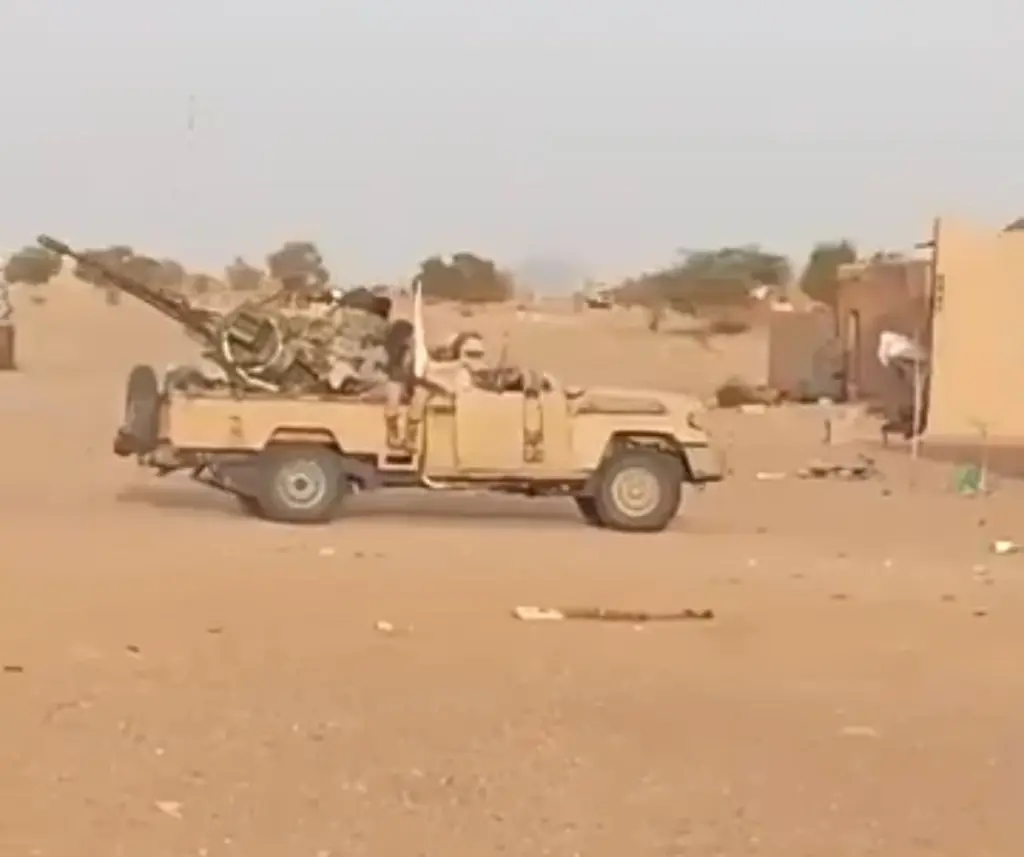
Of the nearly 550,000 internally displaced individuals, 45% are recorded in Tillabéri, located in southwestern Niger. This region has experienced a significant decline in security, marked by frequent attacks targeting both civilians and defense and security forces, leading to widespread displacement and heightened protection risks, particularly in border areas.
Additionally, one-third of the displaced population has sought refuge in the Diffa region, another area under considerable pressure from terrorist groups.
Refugees and Asylum Seekers Seek Haven
Beyond the internally displaced, Niger also generously hosts 447,000 refugees and asylum seekers. Over half of this group are children, with the majority originating from Nigeria, but also significant numbers from Mali and Burkina Faso. Their count has risen by three percent over the past year, a change attributed to ongoing registration efforts.
Across the broader Sahel, a vast semi-arid region of Africa that includes Mali, Burkina Faso, and Niger, the worsening security situation has triggered a humanitarian emergency characterized by escalating violence against civilians, mass displacement, and growing food insecurity. United Nations Secretary-General Antonio Guterres has affirmed this dire situation, highlighting the urgent need for action.
Among the internally displaced in Niger, numbering over half a million, more than fifty percent are children, and women constitute twenty-three percent. Our assessments indicate an eight percent annual increase in these figures.
It is important to note, however, that the analysis of these trends is somewhat constrained by the irregular validation of data by Nigerien authorities.
Escalating Security Deterioration
Of the nearly 550,000 internally displaced individuals, 45% are recorded in Tillabéri, located in southwestern Niger. This region has experienced a significant decline in security, marked by frequent attacks targeting both civilians and defense and security forces, leading to widespread displacement and heightened protection risks, particularly in border areas.
Additionally, one-third of the displaced population has sought refuge in the Diffa region, another area under considerable pressure from terrorist groups.
Refugees and Asylum Seekers Seek Haven
Beyond the internally displaced, Niger also generously hosts 447,000 refugees and asylum seekers. Over half of this group are children, with the majority originating from Nigeria, but also significant numbers from Mali and Burkina Faso. Their count has risen by three percent over the past year, a change attributed to ongoing registration efforts.
Across the broader Sahel, a vast semi-arid region of Africa that includes Mali, Burkina Faso, and Niger, the worsening security situation has triggered a humanitarian emergency characterized by escalating violence against civilians, mass displacement, and growing food insecurity. United Nations Secretary-General Antonio Guterres has affirmed this dire situation, highlighting the urgent need for action.
News feeds (RSS)Get new articles in your favourite feed reader